


18005545268,9564602512,9157920387,9545448809,בשךק,thatgirlkarma38,9016256075,5596248100,18003318272,8596557400,6094039172,2039023073,nhenysi,wd5sjy4lcco,9562871553,3607610751,83.6x85.5,9549389966,18008742717,18005311925,325.38.10.46.791,9184024367,9517816335,4178836105,forgeryube,8594295188,8329073676,8124269545,2013684200,gonghangnv,rajafelba,tirsintops,llblogfood light recipes from lovelolablog,365tgd login,envy cbd,8327697452,pewcetowiec,18006604283,9735593225,6105255250,9288889597,4695092981,heyimnickki nude,9039901459,thelunarbrujaa,9567827993,9516860335,9513495734,6v5m4xw,kflyn23,8332356156,adevabby,7607460601,8335638200,9545601577,aimeelakex,8558189729,9089558128,8668637543,5595330138,6506497133,blssomchrry,4342647097,9567223175,18662491556,9566615000,weasal86,6186227546,4196264212,8773210030,https //fdxtools.fedex.com/grdlhldispatch,4155917768,abellaaajadexo,18004982748,2067022783,clthong2,7253047591,18007642576,6789570757,julietxxpanda,www. rotkgame .com,8336370667,4044133261,4697127200,8332178326,18008298310,9188946202,adulsearc,8338428100,galaxy.jarayperkins.repl.co,18008338443,5868177988,8338701889,a0b2c3d4e5f6g7h8,8563515970,7575944431,thickxbratxx,6516416134,5594324303,sentbackorg blog,hapmce,9566275245,savingtheplants .com,posts liveamomentorg,8329365916,andersonjulieee,6787076719,8102697534,3212686868,9365040048,6126725260,8433001198,from blog webtosociety.com,onprof40,8323360114,9513707315,3049746737,5418978556,3038350623,30772015377,bc422522,9419177888,9563834165,800.427.2399,ayyymandi,8056530101,3055299901,hyperlogic .org,8558254275,8779020006,4123635100,8559845121,8324817394,calcinnect,9042670562,mysccessfl,snortney81,8123263001,bn6924885p,8556227280,18887106818,moneysideoflife .com,8088094977,3477327526,d3e295e6-70c8-411d-ae28-a5596c3dbf11,18009454701,tunegalpre,9032130471,18005588472,720pnq,9516184342,8442314209,7604022135,8337531873,wizzydigital .org,18009034697,6147158415,nottinosama,5403479220,18008670904,jjbarnes83,18882062080,833.417.2274,8323256486,8084325970,8138743177,8087680000,lincondoop,8563630482,9195150516,8665314986,www moneysideoflife .com,18007241633,writing about luxuryinteriorsorg blog,8555939948,8089563486,9015160925,7133449784,9049444384,8124779271,modernbusinesslife .com,8333882907,4808416993,justhegaya,8333110847,2107623920,2819752625,8555017901,prositesite .com,lucywells jerseyexpress,8152340313,8884998712,18883352722,8042933450,9545077462,8338950320,www.conversationswithbianca .com,8136166670,hentaigqsm,9165475906,www. revolvertech .com,whatutalkingboutwillistyle mom life,6176576400,dinoyibe,8135053983,www notinthekitchenanymore .com,8557791036,machurvate,8556628457,hentiagsm,8324261448,ssstwotter,embedtree .com,www robthecoins .com,www liveamoment .org,mom life whatutalkingboutwillistyle,8559590491,18006690340,5125213038,www rapidhomedirect .com,fast recipe llblogfood,8132108253,a694g005wn600b230729,4082752011,the lifestyle whatutalkingboutwillistyle,7322565700,letsbuildup .org,digitalrgs .org,18443091201,8556961259,37000832249,easy recipes llblogfood,8337361366,4806362077,bitclassic .org,mrdepfak,9103906416,easy recipe llblogfood,8337501504,2812042960,8556178776,giannaseg,8336331438,cloudysocial .com,3608462834,6514148203,www terabytelabs.net,8553884426,183.63.127.22,@ voice sofconservation.org,socl₄,pornh7lub,8555784253,www etherions .com,18442017176,manhwavlan,bn6924771b,heavyfetidh,3058767373,8334012052,entretech .org,6154941030,4175221284,18009059146,/redandwhitemagz .com,www. terabytelabs.net,letsbuildup org,www moneysideoflife.com,3472450598,betterthisworld .com,4696464504,8336471660,8665649578,8135821650,4232995972,8563417693,8332550646,8558079271,4122611113,8335952214,8554492943,8335242240,agistatism,www terabytelabs .net,8334934020,https lapwinglabs.com/,bn6924885c,onthisveryspot .com,hengaigasm,8336282071,letsbuildup. org,shopsgproof,8552185327,8594485970,choamychart,9567259100,3053918324,8554305272,animeidhentak,# thehealthyprimate org,ccs8887733199,8476184780,bolepsin,31564654861368431248946,0orndude,pornhubnb,8777669033,bestolaris,hentaigassm,6025189980,9549770192,3609707640,bbfgy02qn,6142938116,ревлаб,thepormguy,heavyfetiah,tubegañore,18664543120,18006150898,scatosck,sportssurgeclub,balsktionshall.com,plrbhub,b1lko33,af247wi,37000610717,healopay,internetchcisk,7177466473,9547215400,9796108858,hentaipukse,9514869366,soukaneto,81753810832,insonony,3607330430,2678630204,meatjpmc,9566827102,4259219000,8323896901,5048429780,engtbill.com,sstf01wb,healopay.com,6157717546,trylean13,planetbumbleyt,sexycabdidgirls,7075454000,tunegalote,3525675133,8667679323,8124649133,9566886300,manhufast,pecodigio,bn6924878f,loanbyworld.com,8889366283,9567241700,rabistcam,beaconsoftnet,boecsched,2166363999,1902167596,manwaclan,rfengstdcfm5ab,flyarchitecturenet,8778495327,18554274682,myflixervc,lettetbit,topsiabcom,pre.ttyinp1nk,trydtlink,8336210717,8337131160,b00pwnnh6e,hqpirmer,18007917658,18007082736,2142732106,eroticneauties,kenziechenx,pt2189a1,bluegator42,1800rv4rent,toonkor327,dydibll.com,pocrnhub,allingame15,instanvigation,7605x75,chyatgpt,cecominod044541,fdxtools.fedex.com,myhentaicpmics,naro0326,n828ah,mygetpix.ca,damlpips,9083574692,technologyweekblog.us,mp4moviz2,8333163276,mytghconnect,ubetteme.com,runlhlp.com,hexauntio,whosvalora,trychitter.com,rivenisnet,runlhlp,endbugflow,//nbcvisit.smg.com,hikhanacademy.org,mitragross.com,subwadle,chiwegal,#terabytelabs.net,www.letsbuildup.org,jalbitedrinks,greenheal .net,myvvzv,7023841774,7705261569,8335700162,3017804129,2106069845,8888399909,8556484250,7572721036,bn6924837a,8442202568,8884988131,8338300613,8336001694,danburyps.schoology.com,6318854667,6146970667,8332136983,8332037069,7812367297,4232326220,18778503107,3376281409,buttonsbabycrystal17,b01ia9e1i4,ovineha11,8332105697,5137076991,3342427300,5612268250,9376997360,18444914763,bc1qvc7npllug8f0jp47wvj9xyls5cjntqp9z6fetx,2144872283,gelbrrou,8302126694,8337693135,8336313189,9548279097,transappgo,8337843524,vippluggin.com,8335251544,8336840593,4082562679,quiozziz,3475385592,u319329153,3239436414,8326886024,diytozz.com,7479772902,2128659031,8339014158,bn6924830c,4149829919,6573771433,6313567841,8669646502,18662285970,6316969800,8328617259,96619355402,9567249027,3128158373,8889590943,9093637053,8554642943,// rivenisnet,8016138575,3602071321,8052754360,8668285047,8558398861,9803925783,18005134971,asirascams,4699654011,glainbers,8337232512,3462147045,8338300517,8338603246,5412096205,18008720679,9377978055,4402093898,bn6925167b,8337693127,9373508084,4078977157,8772150636,9015654199,9176159889,8312931345,8557403445,3612046723,3606265636,8326694407,8632987189,8439057901,azporcomic,4125478584,8558580766,18554734583,4248501723,3149403857,7209070591,9567950700,8338393807,18553786229,3017996495,bn6922299m,9033266905,8324680352,18008842664,5616724526,9728851298,7576566491,1020789866,us.imautosurvey.con,8337232504,8559220773,8004259113,18009162040,18007066199,7602584596,sdec3650rr,9037167090,8338950348,2146804142,8172594010,alli3polit0,6692755300,8333952329,8325484261,6268841707,8322347987,6514036944,9379777259,9548893729,4253127250,altusviber.store,6104263036,4752660730,8175461414,8335700049,5402169147,18337232512,9412713920,fdxtools.fedex.com/grdlhldispatch,8337552184,8133496865,4107090843,7403093991,8039302285,4125694167,8333280521,4172330946,5596010677,9567227611,applesatterreuters,7867127937,jasshinnnnnn,6154605532,8555565138,8337693112,7407968062,3092286249,4122126263,8336202392,8558379012,2155151051,8604076559,8003986166,8884634661,6572139212,8339014159,6232461759,8322804513,8552427335,8557544934,4844089157,8135847045,9372498046,2146251078,8652050051

Professional Leak Detection and Sewer Camera Inspections to Determine Diagnostics

The problem with the world of property maintenance, however, is that what you can never see is what usually costs you dearly. Having a burst of your water bill or finding a wet spot on your drywall is more than an inconvenience; it is a call of distress on the part of a pipe somewhere deep in your infrastructure.

It has been estimated that in 2026, we will not be in the guess-and-stress plumbing era anymore. We do not have to pull beautiful tiles off or dig up the beautiful scenery anymore to locate a pinhole leak. Diagnostic High-tech has transformed plumbers into cyber surgeons since we can now view the concrete and soil with a scalpel-like accuracy.

Accuracy is the order of the day, whether it is an underground slab leak or a resistive obstruction in a commercial sewer main. We can not only point out the exact “X” on the map before any of the tools have been moved, using acoustic sensors and fiber-optic technology.

This is not only a way to save your property, but also to save your sanity and your budget because this way of repair makes it targeted, localized, and permanent. By employing a licensed plumber with the use of these sophisticated diagnostic devices, you will be sure you are not paying them to perform exploratory surgery on your home or business, but a straightforward and effective treatment.

The Technology of “X-Ray Vision”: Acoustic Listening and Thermal Imaging Sensors

The Technology of X-Ray Vision - Acoustic Listening and Thermal Imaging Sensors

Contemporary leak detecting is not magic; it is high-frequency physics. This is the unfindable, as per the contemporary professionals:

  • Electronic Acoustic Listening: Elastic ground microphones enhance the sound of running water. Even the slightest hiss of less than two feet of concrete will sound like the roar of the technician in his headphones.
  • Thermal Imaging Cameras: With the ability to detect even the slightest change in temperature in the wall and floor, we will be able to visually observe the heat patterns of a hot water leak or the cold dampness of a hidden slab leak.
  • Tracer Gas Technology: In the case of the most difficult to track down leaks, we spray a non-toxic gas that is safe into the lines. The gas is lighter than air, and thus, it moves through the leak and is captured by the surfaces of the sniffers.

Sewer Camera Endoscopy: Real-Time High-Definition Pipe Diagnostics

The most abused component of your plumbing system is your sewer line. When it collapses, you must know the reason: is it a broken pipe, a net of roots, or a buildup of so-called “flushable” wipes—sometimes forming dense clogs as compact as everyday objects, like things that are 2 inches long, that can severely restrict flow.

  • High-Definition Visuals: A self-leveling, waterproof camera is put down the line, transmitting a live HD image to a screen. You are able to view the state of your pipes in real time.
  • Location Transmitters: The head of the camera transmits a signal which can be received on the ground above, and the tech is able to indicate the point of the damage in depth and position.
  • Preventative Documentation: A large number of owners have adopted camera inspection as a part of due diligence prior to purchasing a property, a 10000 sewer burst prior to them signing the deed.

Strategic Comparison: High-Tech Diagnostics vs. Traditional “Search and Destroy”

Feature Traditional Search and Destroy High-Tech Diagnostic
Accuracy High margin of error; best guess 99% Precision
Invasiveness Heavy removal of drywall/flooring Zero to Minimal; non-invasive
Time to Locate Hours or days of digging Finished in 60-90 minutes
Total Cost High (due to restoration costs) Lower (one-time fee + focused repair)

Red Flag Indicators: When to Schedule a Diagnostic Plumbing Check

Red Flag Indicators - When to Schedule a Diagnostic Plumbing Check

Do not wait till there is a flood. Before your plumbing system collapses entirely, it is likely to produce warning shots. Keep a lookout for the following red flags:

  • The “Hissing” Sound: This is a sound that is heard behind a wall or underneath the floor when all the faucets have been closed tightly.
  • Unaccounted Humidity: When an otherwise normal room is suddenly making one feel like a sauna or has a musty odor, there is probably a slow drip leak supporting molds.
  • Lush Spots in the Lawn: When a patch of grass is greener than the other, then it may be draining from a broken sewer line.
  • The Spinning Meter: When your water meter is spinning like a top, and the house is quiet, you have a running leak.

Expert FAQ: Understanding Camera Limitations and Inspection Costs

1. Will the camera loosen up the jam?

No. The camera is to be inspected only. After we have located the clog (roots, grease, or debris), we then clean it out by means of such tools as hydro-jetting or motorized augers.

2. Does it cost a lot to detect electronic leaks?

Although the service is not free, it is much less expensive than the cost of replacing a wall or a floor that had to be taken down to install a pipe that could have been located in just a few seconds, which is approximately 2,000 dollars or more.

3. Can cameras view through standing water in a pipe?

In case the water is very cloudy, it is not seen with much clarity. Nevertheless, the latest high-lumen LED camera heads are capable of cutting through a significant amount of sediment most of the time to detect the most essential structural problems.

Precision Over Guesswork in 2026 Property Maintenance

Your plumbing must be convenient in 2026 and not a mystery novel. When you select professional diagnostics, you will be in charge of the health of your property. It is the distinction between an amateur (poking around) and a professional (providing a pinpointed solution). It may be an old commercial line or a residential slab leak, but the only way to get to a dry, safe home is to see the problem in a new light.

When you need to have the repairs done, investing in a licensed plumber who comes with the right technology to carry out the job is sure to make your work fast, clean, and cost-effective. When it comes to a little leak, do not make it a big excavation project. Get the truth, watch the video, and correct it once!
More From Author

Signs Your Home in Reno May Need Professional Leak Detection

Signs Your Home in Reno May Need Professional Leak Detection

How Training Helps You Perform Better in Pickleball Tournaments

How Training Helps You Perform Better in Pickleball Tournaments

Signs Your Home in Reno May Need Professional Leak Detection

Water leaks sometimes begin quietly and stay hidden behind walls, beneath flooring, or under concrete slabs. Over time, unnoticed leaks can damage structural materials, weaken drywall, and create conditions that encourage mold growth. Homes in Reno experience seasonal temperature changes that place stress on plumbing systems, which can lead to pipe expansion, joint movement, and small fractures.

Many homeowners rely on routine maintenance and professional inspections to catch hidden plumbing problems early. Plumbing services in Reno, NV by Ira Hansen & Sons Plumbing, or other experts in your area, can help identify leaks concealed within walls, foundations, and underground pipes. Early detection allows targeted repairs before water spreads through insulation, framing, or flooring layers.

Common Warning Signs Of Hidden Water Leaks

Common Warning Signs Of Hidden Water Leaks

Some plumbing leaks leave visible evidence even when the pipe itself remains concealed. Paying attention to subtle changes around the home sometimes reveals moisture issues before serious damage occurs.

  • Unexplained Increase In Water Bills: A steady rise in monthly water usage can signal a continuous leak somewhere in the plumbing system. Underground pipes, wall cavities, and slab lines sometimes leak slowly while water continues to flow through the system.
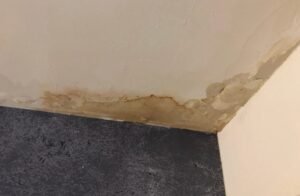
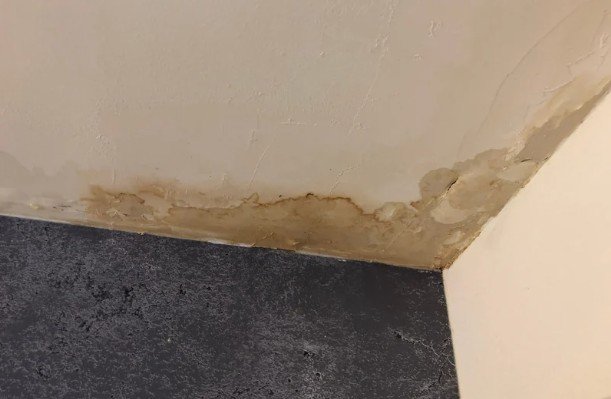
  • Water Stains On Ceilings Or Walls: Yellow, brown, or copper-colored stains frequently appear when moisture collects inside drywall or ceiling panels. The discoloration usually spreads outward as water travels along framing and insulation.
  • Persistent Musty Odors: Damp materials produce a distinct earthy smell. Odors that remain inside cabinets, bathrooms, or laundry areas sometimes indicate trapped moisture within walls or under flooring.
  • Warm Or Damp Spots On Floors: Slab leaks sometimes cause localized warmth or dampness on tile, wood, or laminate flooring. This sign appears when heated water pipes leak beneath the concrete foundation.

Structural Changes That May Indicate Plumbing Leaks

Water slowly weakens building materials when it remains present for long periods. Certain structural symptoms suggest water intrusion connected to hidden plumbing problems.

  • Peeling Paint Or Bubbling Wallpaper: Moisture trapped behind finished walls disrupts adhesive layers and paint coatings. Surfaces begin to bubble, wrinkle, or separate from the drywall.
  • Warped Flooring Or Loose Tiles: Continuous moisture causes wood, laminate, and vinyl flooring to expand and distort. Tiles may loosen as the adhesive beneath them loses strength.
  • Mold Spots Along Baseboards Or Corners: Mold requires moisture and organic material to grow. Small black, green, or gray spots appearing along trim, corners, or ceiling edges indicate a consistent moisture source, much like landscaping ideas that elevate your land enhance and reveal underlying features.
  • Cracks In Foundation Or Walls: Long-term leaks can sometimes cause damage beneath foundations, allowing sections of the structure to shift slightly. This movement may create visible cracks along walls or flooring.

Why Professional Leak Detection Matters

Why Professional Leak Detection Matters

Hidden leaks require specialized diagnostic tools to locate accurately. Professional leak detection methods use acoustic listening devices, thermal imaging, and pressure testing equipment. These tools trace water movement inside pipes without unnecessary wall removal, similar to identifying common things that are 9.5 inches long for precise comparison and measurement.

Plumbing services in Reno, NV by Ira Hansen & Sons Plumbing, or other plumbing agencies allows technicians to locate leaks within slab foundations, underground supply lines, and enclosed wall cavities with precision. Accurate detection helps identify the exact source of water loss and allows targeted repairs that protect surrounding materials.

Situations That Require Immediate Leak Inspection

Certain household signs call for immediate plumbing inspection. A constant sound of running water when all fixtures are off sometimes points to water moving through a damaged pipe. A sudden drop in water pressure across several fixtures can also indicate a hidden plumbing break.

Moisture pooling near walls, floor edges, or appliances may signal a slow leak reaching the surface. Dampness forming around plumbing fixtures suggests ongoing moisture buildup. Early leak detection helps protect drywall, flooring, and structural materials inside homes in Reno.

More From Author

Top Environmental Cleanup Techniques Used in Wyoming

Top Environmental Cleanup Techniques Used in Wyoming

Professional Leak Detection and Sewer Camera Inspections to Determine Diagnostics

Professional Leak Detection and Sewer Camera Inspections to Determine Diagnostics

5 Ways Plants Instantly Brighten Your Home

It is remarkably easy for an indoor living space to feel slightly sterile or disconnected from the natural world, especially when dominated by neutral color palettes and modern furnishings. Bringing elements of nature indoors is one of the most effective strategies to breathe life into a stagnant room. Not only do houseplants offer an immediate aesthetic upgrade, but scientific studies also consistently show that they can improve concentration and productivity by up to 15%, reduce stress levels, and significantly boost your mood.

In this guide, you will discover exactly how integrating greenery into your living areas can transform your environment. From acting as natural air purifiers to serving as dynamic pieces of living decor, here are five ways plants instantly brighten your home.

Adding Vibrant Pops of Natural Color

Adding Vibrant Pops of Natural Color

When interior design feels flat or monotonous, plants introduce a dynamic spectrum of colors that artificial decor rarely replicates. While lush greens are the standard, the botanical world offers incredible visual variety, including the deep purples of a Tradescantia, the bold reds of an Anthurium, or the striking variegated leaves of a Calathea. These landscaping ideas and natural hues contrast beautifully against white, gray, or beige walls, instantly drawing the eye and making a room feel more vibrant and alive.

Unlike a static painting or a decorative throw pillow, a plant is a living piece of art that changes and grows over time, meaning your room’s visual focal points are constantly evolving.

Tip: To maximize the visual impact, place brightly colored or highly variegated plants against solid, neutral backgrounds. Use decorative pots in complementary colors—like a terracotta pot for a rich green fern—to further enhance the aesthetic appeal.

Purifying and Refreshing the Indoor Air

Purifying and Refreshing the Indoor Air

Brightening a home is not just about visual appeal; it is also about how the space physically feels. Indoor air can often become stale, trapping common household toxins released by cleaning products, carpets, and synthetic fabrics. Plants actively help clean indoor air by absorbing harmful toxins, increasing ambient humidity, and producing fresh oxygen.

This natural filtration process makes your living space feel noticeably fresher and more invigorating. When air quality improves, the home’s overall atmosphere feels lighter and more welcoming, effectively brightening the room’s sensory experience.

Tip: Incorporate hard-working air purifiers like Spider Plants, Snake Plants, and Peace Lilies into the areas where you spend the most time. Placing a Snake Plant in your bedroom can be particularly beneficial, as they uniquely continue to convert carbon dioxide into oxygen throughout the night.

Creating a Calming, Stress-Free Sanctuary

Creating a Calming, Stress-Free Sanctuary

There is a psychological concept known as biophilia, which suggests that humans possess an innate tendency to seek connections with nature. Integrating plants into your home taps directly into this biological need, instantly softening the harsh lines of architectural spaces and creating a calming sanctuary.

Being surrounded by greenery has been shown to lower blood pressure and reduce feelings of anxiety. When a room feels peaceful and relaxing, it naturally feels brighter and more inviting. A space filled with thriving plants signals care and vitality, turning a standard living room, design details that make a house organized or a home office into a rejuvenating retreat from daily stressors.

Tip: Place a small, low-maintenance potted plant, such as a Pothos or a Succulent, directly on your home office desk or kitchen counter. Having a touch of nature within your immediate line of sight while working or doing chores provides quick visual breaks that help reset your focus.

Filling Empty Corners and Awkward Spaces

Filling Empty Corners and Awkward Spaces

Every home has them: those awkward, empty corners or large expanses of blank wall that feel incomplete but are too small for traditional furniture. Large floor plants or cascading hanging plants are the perfect solution to fill these voids, instantly making a room feel cohesive and purposefully designed.

A tall Fiddle Leaf Fig or an indoor citrus tree can draw the eye upward, highlighting the height of your ceilings and making the room feel more expansive. If you are looking for indoor fruit trees or robust statement foliage to fill these gaps, visiting local garden centers in Salt Lake City can provide you with acclimatized, high-quality options perfectly suited for your specific indoor environment.

Tip: Use a combination of plant stands of varying heights to create a tiered display in an empty corner. This adds depth and architectural interest to an otherwise ignored part of your home.

Bringing the Outdoors Inside Year-Round

Bringing the Outdoors Inside Year-Round

One of the greatest challenges of maintaining a bright, cheerful home occurs during the colder, darker months of the year. When trees lose their leaves and the days grow short, homes can feel understandably gloomy. Houseplants provide a continuous, year-round link to the vibrant energy of the outdoors.

Maintaining a lush indoor garden ensures that you always have access to the uplifting feeling of spring and summer, regardless of the weather outside. The simple act of tending to these plants—watering them, dusting their leaves, and watching new growth unfurl—provides a rewarding daily routine that brings joy and brightness into your domestic life.

Tip: Group plants with similar light and water requirements together to create mini indoor gardens. Not only does this make maintenance easier, but clustering plants also increases localized humidity, helping them thrive even when indoor heating dries out the air during winter.

Taking the time to place foliage throughout your house strategically will fundamentally alter how your space looks and feels. By utilizing plants to add color, improve air quality, and fill empty spaces, you create a living environment that is healthier, happier, and undeniably brighter.

More From Author

Actions After the Crash

After the Crash: Essential Actions You Should Never Skip

Why Professional Cabin Air Filter Service Matters

Why Professional Cabin Air Filter Service Matters

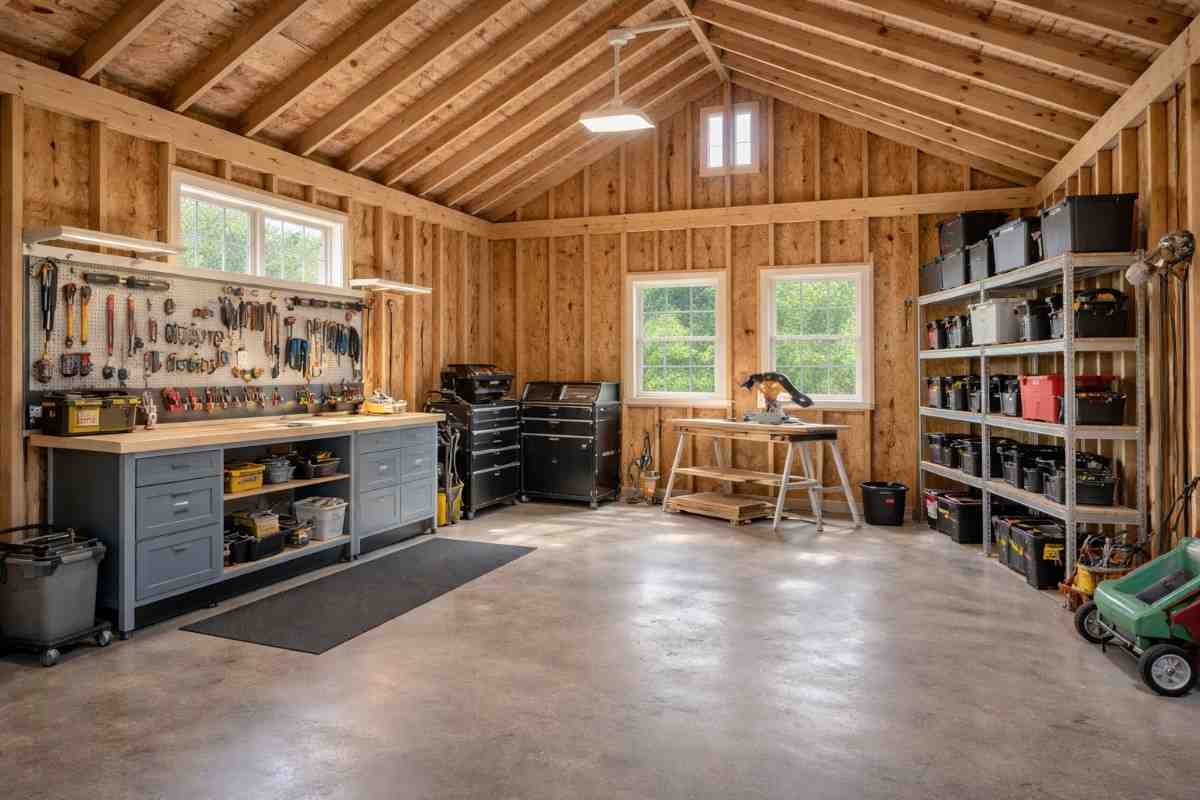
Side Barn Dreams: The Perfect Addition to Your Property

Many property owners eventually find themselves needing extra space. Whether you want a dedicated workshop, a secure spot for heavy equipment, or a quiet place for hobbies, a side barn offers a highly practical solution. Building a secondary structure requires careful thought and effort, but the end result is incredibly rewarding. This guide covers the essential steps for planning, designing, and constructing the ideal building for your yard.

Planning Your Side Barn Project

A successful build starts long before the first piece of lumber arrives. You must establish a clear plan to avoid costly delays and structural issues.

Understanding Zoning and Permits

Understanding Zoning and Permits

Local building codes dictate what you can build and exactly where you can put it. Check with your local zoning office to learn about specific setback requirements and height limits. You also need to know which permits are necessary for new constructions. Getting all your paperwork approved early prevents legal headaches and forced teardowns later.

Selecting the Right Location

Take a close look at your property layout. Choose a level area with excellent drainage to prevent standing water from damaging the foundation. Consider how easily you can access the spot with vehicles or large equipment. You should also think about the distance from your main house.

Keeping the structure close makes it easy to access, while placing it further away reduces noise. Consider landscaping ideas to enhance the surrounding space

Designing for Purpose and Style

Your new structure should meet your functional needs while complementing the look of your main house. Think carefully about how you plan to use the space daily..

Deciding on Layout and Features

If you need a workshop, plan for plenty of natural light and numerous electrical outlets. For equipment housing, focus on wall height and heavy-duty shelving options. A well-thought-out interior makes a massive difference in how much you enjoy the space. Draw a rough floor plan to visualize where workbenches and tools will go.

Choosing the Right Materials

Choosing the Right Materials

Selecting high-quality materials ensures your building lasts for decades. Treated timber and metal roofing are popular choices because of their proven durability. Property owners looking for inspiration often explore various local options, much like those searching for custom wood storage sheds in Lafayette LA, to see how different materials withstand regional weather patterns. Pick siding and roofing colors that match your existing home to create a seamless visual flow.

Ventilation and Insulation

Proper airflow keeps the interior dry and comfortable. Install vents in the roof or along the upper walls to prevent moisture buildup. If you plan to spend long hours working inside during extreme weather, you should add insulation to the walls and ceiling. This step protects sensitive tools from rust and creates a comfortable environment in every season.

The Construction Phase

With your plans approved and materials gathered, the actual building process begins. Following a logical order keeps the project moving smoothly and safely.

The Construction Phase

Foundation Preparation

A solid base is critical for structural integrity. Poured concrete slabs offer excellent stability for heavy machinery and vehicles. Alternatively, compacted gravel with sturdy timber skids works very well for lighter structures. Ensure the ground base is perfectly level and firmly compacted before you begin framing.

Framing and Finishing

Start by constructing the floor system, followed by the wall studs and roof trusses. Use high quality steel fasteners to secure the entire frame against strong winds. Once the basic skeleton stands firm, apply the exterior siding and roofing panels. This protects the interior from rain and wind, allowing you to finish the inside electrical work and shelving at your own pace.

Door and Window Placement

Placing doors and windows correctly improves both utility and visual appeal. Double wide doors or large roll up designs make it easy to move large mowers or lumber supplies. Windows provide necessary sunlight and fresh air. Position your windows to capture morning light while avoiding the harsh heat of the afternoon sun.

The Benefits of Your New Addition

Adding a side barn completely transforms how you utilize your property. It provides valuable square footage, keeping your main house and primary garage completely free from clutter. You gain a dedicated, organized area for hobbies, maintenance work, or secure storage.

Beyond the immediate practical uses, a well-built structure significantly boosts your overall property value and curb appeal. Careful planning and thorough execution turn an empty patch of grass into an incredible asset you will use every single day.

More From Author

7 Ways Companies Stay Ahead of Environmental Rules

7 Ways Companies Stay Ahead of Environmental Rules

Soil Stabilization 101 A Guide for Builders and Engineers

Soil Stabilization 101: A Guide for Builders and Engineers

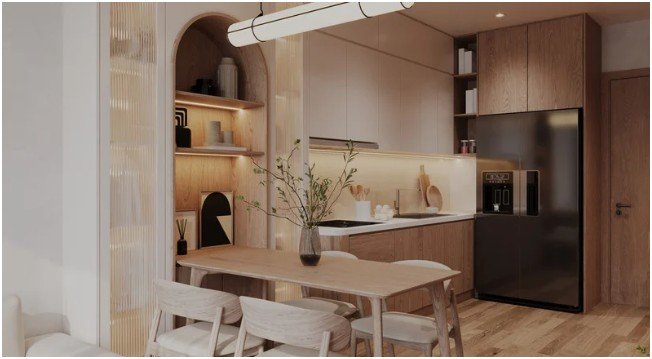
7 Design Details That Make Homes Feel Organized

A cluttered home isn’t always the result of too much stuff—it’s often the result of too little intentional design. The difference between a space that feels calm and one that feels chaotic usually comes down to a few key details.

Whether you’re redesigning a room from scratch or simply looking to tighten things up, these seven design choices can have a surprisingly big impact on how organized your home looks and feels.

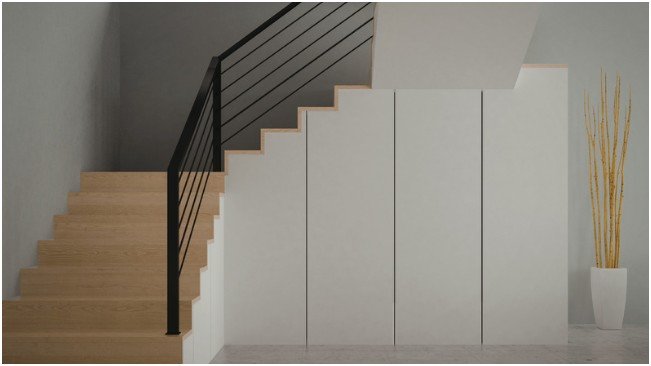
1. Built-In Storage That Disappears Into the Walls

Built-In Storage That Disappears Into the Walls

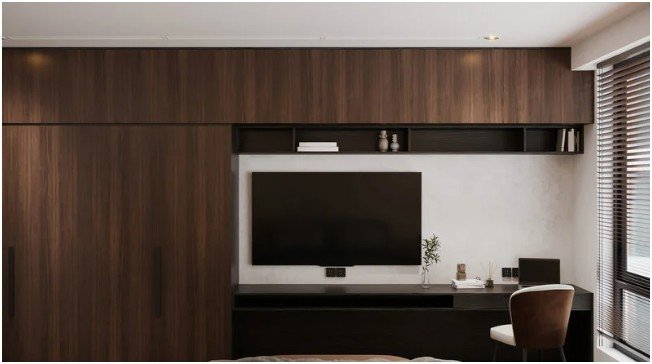
Freestanding furniture has its charm, but built-in storage is where real organization happens. Shelving, cabinetry, and niches that are integrated directly into walls eliminate visual clutter while maximizing the square footage of a room. Built-ins work especially well in living rooms, bedrooms, and hallways—spaces where surfaces tend to collect the most random items.

2. Consistent, Cohesive Containers

One of the simplest design upgrades you can make is swapping out mismatched containers for a cohesive set. Whether it’s matching baskets on a shelf, uniform jars in a pantry, or coordinated bins in a laundry room, visual consistency signals order—even when the containers are full. Choose a palette of two or three complementary materials (such as wicker, linen, and matte white) and stick to it throughout the home.

3. A Dedicated Drop Zone Near the Entry

A Dedicated Drop Zone Near the Entry

The entryway sets the tone for the rest of the home. Without a clear system for handling incoming items—bags, keys, mail, shoes—clutter tends to spread inward from the front door. A well-designed drop zone with hooks, a narrow console, a small tray for keys, and a designated shoe rack can stop the chaos before it starts. Even a small apartment can accommodate a compact version of this system.

4. Thoughtful Closet Systems

Standard closets with a single rod and a shelf don’t make good use of vertical space—and they make it nearly impossible to stay organized long-term. A properly designed closet system, with dedicated sections for hanging garments, folded items, shoes, and accessories, can double the functional capacity of the same footprint.

For homeowners in Utah, investing in a custom closet in Salt Lake City is one of the most effective ways to transform a disorganized space into one that works efficiently every single day.

5. Concealed Cords and Tech

Few things make a space feel more chaotic than tangled cords and exposed tech equipment. You need to understand what to look for hiring a builder or a profession who can create concealed cord management for you. Thoughtful cable management—whether through in-wall routing, furniture with built-in cable channels, or simple cord clips along baseboards—creates an immediate sense of order. The same principle applies to routers, power strips, and charging stations. Tuck them inside a drawer, behind a cabinet door, or within a dedicated tech station to keep them out of sight.

6. Labeled Zones and Sections

Labeling isn’t just for Type-A personalities—it’s a genuinely effective way to maintain organization over time, especially in shared spaces. Labels help everyone in the household know where things belong, which means items actually get put back in the right place. This works particularly well in pantries, playrooms, garages, and home offices. You don’t need a label maker to make this work; even simple handwritten tags can do the job with the right aesthetic touch.

7. Negative Space Used Intentionally

Negative Space Used Intentionally

Perhaps the most overlooked design detail of all is what you don’t put somewhere. Negative space—areas that are deliberately left clear—gives the eye a place to rest and makes a room feel more curated and intentional. A shelf that’s 70% full looks styled; one that’s 100% full looks crowded. Edit your surfaces ruthlessly. Leave breathing room between objects. The goal isn’t minimalism for its own sake—it’s clarity.

Small Details, Big Difference

Organized homes aren’t the result of superhuman tidiness. They’re the result of smart design decisions that make it easy to keep things in their place. From cohesive containers to a custom closet built specifically for your needs and lifestyle, each of these details compounds over time—turning a home that constantly feels like it’s fighting you into one that works with you.

More From Author

6 Winter Home Prep Tips Homeowners Forget

6 Winter Home Prep Tips Homeowners Forget

7 Ways Companies Stay Ahead of Environmental Rules

7 Ways Companies Stay Ahead of Environmental Rules

9 Landscaping Ideas That Elevate Your Yard

Transforming your outdoor space into a breathtaking retreat requires more than just mowing the lawn and planting a few petunias. Thoughtful landscaping not only enhances your home’s curb appeal but also creates a functional environment where you can relax, entertain, and connect with nature.

Research consistently shows that well-designed outdoor spaces can significantly increase property value while promoting better mental well-being for homeowners. If you are looking to revitalize your property, these nine landscaping ideas will provide you with the inspiration and practical steps needed to completely elevate your yard.

1. Plant a Native Garden

Plant a Native Garden

One of the most sustainable and visually rewarding landscaping choices you can make is incorporating native plants into your yard. Because these species are naturally adapted to your local climate and soil conditions, they require significantly less water, fertilizer, and maintenance than exotic varieties. According to the Environmental Protection Agency, native plants can reduce outdoor water usage by up to 50%. A practical tip for getting started is to visit a local nursery to identify native shrubs, flowers, and grasses that thrive in your specific hardiness zone. Grouping them by their sun and water needs will ensure a resilient, vibrant garden year-round.

2. Design a Multi-Seasonal Flower Bed

Design a Multi-Seasonal Flower Bed

A truly elevated yard maintains its visual appeal throughout the entire year, rather than just peaking in the spring or summer. To achieve this, design your flower beds with a mix of perennials, annuals, and evergreens that offer staggered blooming times. For example, you might plant tulips for spring color, coneflowers for summer vibrancy, and asters for autumn warmth. Incorporating evergreen shrubs provides a structural backdrop that keeps the yard looking alive even in the depths of winter. The key is to map out your plant choices on paper beforehand, elevate everything, and ensure there is always something visually interesting happening in the garden, regardless of the season.

3. Install Strategic Outdoor Lighting

Install Strategic Outdoor Lighting

Outdoor lighting extends the usability of your yard well into the evening while simultaneously adding a layer of safety and security. Instead of relying solely on a harsh porch light, consider a layered lighting approach. Use soft pathway lights to guide foot traffic, spotlights to highlight architectural features or majestic trees, and string lights to create a warm canopy over a seating area. Solar-powered LED lights are an excellent, energy-efficient option that can be easily installed without the need for complex wiring. Proper illumination adds immediate ambiance and sophistication to any outdoor environment.

4. Incorporate Soothing Water Features

Incorporate Soothing Water Features

Introducing a water feature can dramatically shift the atmosphere of your yard, turning a basic lawn into a tranquil oasis. The sound of trickling water naturally masks neighborhood noise and creates a calming focal point. You do not necessarily need a massive, expensive pond to achieve this effect. A simple, self-contained bubbling urn, a wall-mounted fountain, or a small birdbath can attract local wildlife and add dynamic movement to your landscaping. When installing a water feature, place it near a patio or seating area where the auditory and visual benefits can be fully appreciated.

5. Build an Inviting Fire Pit Area

Build an Inviting Fire Pit Area

A fire pit serves as a natural gathering space that draws family and friends together, making your yard a prime location for socializing. Whether you opt for a sleek, modern gas fire pit or a rustic, wood-burning stone circle, this feature anchors the outdoor space. To elevate the design, surround the fire pit with comfortable, weather-resistant seating and ground the area with a distinct material, such as crushed gravel or flagstone. Ensure you place the fire pit at a safe distance from overhanging trees and wooden structures to maintain a secure environment.

6. Create Textured Hardscapes

Create Textured Hardscapes

Hardscaping refers to the non-living elements of your yard, such as walkways, patios, and retaining walls. Integrating high-quality materials into these structures provides the necessary contrast to the soft greenery of your lawn and garden beds. For a durable and aesthetically pleasing upgrade, consider using precast stone in Portland to build out your retaining walls or patio borders. This material mimics the natural beauty of authentic stone while offering structural longevity. By blending different textures—like smooth pebbles next to rugged stone blocks—you create a rich, multi-dimensional landscape design.

7. Add Vertical Gardening Elements

Add Vertical Gardening Elements

If you are working with a smaller yard or simply want to maximize your green space, vertical gardening is a highly effective strategy. Drawing the eye upward creates the illusion of a larger area while concealing unsightly fences or blank exterior walls. You can achieve this by installing wooden trellises for climbing vines like clematis or jasmine, hanging tiered planters from sturdy pergolas, or mounting a living wall system. Vertical elements not only add lushness to the perimeter of your yard but also improve air circulation around your plants, reducing the risk of disease.

8. Designate Functional Outdoor Living Zones

Designate Functional Outdoor Living Zones

Treat your yard as an extension of your home’s interior by breaking it up into distinct, functional zones. You might designate one corner for outdoor dining, complete with a sturdy table and overhead shade, while dedicating another area specifically for lounging or reading. Define these zones using subtle visual cues like outdoor rugs, low hedges, or changes in paving materials. This organizational strategy prevents the yard from feeling like one massive, overwhelming expanse of grass and turns it into a purposeful, multi-use living area.

9. Upgrade Your Lawn Alternative

Upgrade Your Lawn Alternative

Traditional grass lawns require immense amounts of water, mowing, and chemical treatments to stay pristine. To elevate your yard’s sustainability and uniqueness, consider replacing parts of your lawn with low-maintenance alternatives. Micro-clover, for instance, stays green longer, requires less mowing, and naturally adds nitrogen back into the soil. Alternatively, expanding your mulch beds or using creeping groundcovers like thyme or Corsican mint can reduce your lawn care burden while adding beautiful textures and scents to the landscape.

Thoughtful landscaping is an ongoing process of balancing natural beauty with structural functionality. By implementing a mix of sustainable planting, purposeful hardscaping, and strategic lighting, any outdoor space can be transformed into a highly elevated, tranquil environment.

More From Author

What to Look for When Hiring a Builder for Your Steel Structure

What to Look for When Hiring a Builder for Your Steel Structure

6 Winter Home Prep Tips Homeowners Forget

6 Winter Home Prep Tips Homeowners Forget

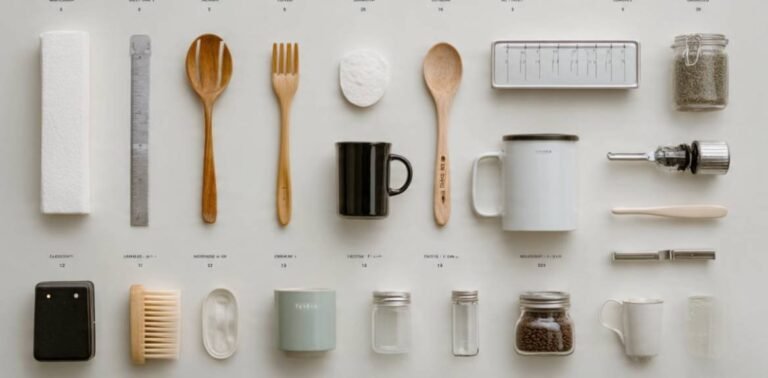
13 Surprisingly Common Things That Are 9.5 Inches Long

When it comes to visualizing measurements, 9.5 inches is a size that appears more often than you might realize. It’s commonly found in everyday items like kitchen tools, books, electronics, and office supplies. 

Whether you’re shopping online, working on a DIY project, or simply trying to estimate a length without a ruler, understanding what 9.5 inch looks like in real life can be incredibly useful. 

In this guide, we’ll explore 13 common things that are about 9.5 inches long to help you picture this measurement with ease.

What Does 9.5 inches Mean?

When it comes to measurement at home, measuring everyday objects, 9.5 inch is a convenient size — longer than a standard 8-inch ruler but shorter than 10 inches. 

This measurement is used frequently in products like kitchen tools, electronics, and furniture, and is just a little over 24 centimeters. 

Knowing what 9.5 inches looks like can be extremely helpful when estimating sizes quickly — especially when you don’t have a tape measure at hand. In this article, we’ll take a look at 13 things that are approximately 9.5 inch long. 

From pens and books to tools and toys, we’ll explore a variety of real-world objects that match this length. Plus, we’ll provide some helpful tips on how to estimate 9.5 inch without a ruler!

Key Takeaways

  • 9.5 inch = 24.13 cm — roughly the size of a small household item or accessory.
  • Items like kitchen knives, books, and toys are often around 9.5 inch long.
  • 9.5 inch is useful for on screen measuring tools, stationery, and craft materials.
  • You can estimate 9.5 inch using visual references like phones, books, or even hand spans.

12 Common Things That Are 9.5 inches Long

Here’s a list of 12 everyday objects that are about 9.5 inch long. These practical references will help you visualize this length more easily.

1. Standard Pen

Standard Pen

The typical ballpoint pen measures about 9.5 inch in length, making it a perfect everyday reference for this size.

2. Small Hardcover Book

Many small hardcover books, such as children’s books or novels, have a length of around 9.5 inch. This is a commonly found object that will help you estimate this length easily.

3. TV Remote Control

A TV remote (the standard size, not mini versions) often measures 9.5 inch long. It’s a familiar object that most people can reference when estimating sizes.

4. Kitchen Knife Blade (Serrated)

A serrated kitchen knife blade typically measures 9.5 inch in length. This size is popular for slicing bread or cutting through larger items in the kitchen.

5. Laptop Charger Cord (Plug End to Plug End)

Some laptop power cords, especially those with long cables, can be around 9.5 inch long when measured from the plug end to the next connection. This is a useful reference for people who often use tech devices.

6. Medium-Sized Cutting Board

Medium-Sized Cutting Board

A medium-sized cutting board in many kitchens measures 9.5 inch long. This is a common household goods that you likely have in your kitchen.

7. Standard Kitchen Knife Handle

Many kitchen knives — excluding the blade — measure around 9.5 inch in length. If you have a kitchen knife with a longer handle, it will usually measure around this size.

8. Small Flashlight

A small handheld flashlight typically measures around 9.5 inch long. This size is compact enough for personal use but provides ample lighting.

9. Standard Legal Pad

A legal-sized writing pad typically measures 9.5 inch tall. These pads are perfect for writing notes or making lists, and they’re a great reference for estimating this size.

10. Tablet (Small Screen Size)

Some small tablets, like older models or budget-friendly options, measure about 9.5 inch diagonally from corner to corner. It’s a handy reference if you own or have used such a device

11. Handheld Hair Dryer

Handheld Hair Dryer

Many mini hair dryers or compact travel dryers measure about 9.5 inch in length. 

12. Ruler (10-Inch)

Ruler (10-Inch)

While most rulers are 12 inches long, a 10-inch ruler often has an additional 1-inch extension near its edge, totaling 9.5 inch when measured from the edge to the midpoint. This reference helps give a quick estimation when standard measuring tools are not available.

How to Estimate 9.5 inches Without a Ruler


Sometimes, you don’t have a ruler, but here are a few simple tricks to estimate 9.5 inch:

Smartphone: Most smartphones measure between 5 to 6 inches diagonally. Stack two smartphones end-to-end, and you will get a little more than 9.5 inch.

Hand Span: If you spread your fingers wide, the distance from the tip of your thumb to your pinky for many people is around 9.5 inch.

Books: Use  small hardcover books. A 9.5-inch book is commonly available, especially in bookstores or libraries, and can easily be used as a reference for quick measurements.

Why Knowing 9.5 inches is Useful

Understanding 9.5 inch can be helpful in a variety of real-life situations:

Packing and Organizing: When organizing spaces or packing, knowing the size of common objects like legal pads, remote controls, and small books helps you plan efficiently.

Shopping: Whether you’re buying tech gadgets, tools, or household items visualizing 9.5 inch can prevent sizing surprises.

DIY & Crafts: Knowing 9.5 inch is useful for cutting materials, measuring wall spaces, and completing other DIY projects.

Cooking & Kitchen Tools: Items like cutting boards and kitchen knives are often 9.5 inch long, helping you measure and organize in the kitchen.

Frequently asked question

1.How long is 9.5 inches in centimeters?

9.5 inch is approximately 24.13 centimeters long.

2.Can I estimate 9.5 inches without a ruler?

Yes! Use items like smartphones, books, or hand spans to estimate 9.5 inch.

3.What are some other things that are 9.5 inches long?

Examples include small flashlights, toothbrush handles, and travel hair dryers.

4.Why is knowing 9.5 inches useful?

It helps with packing, measuring items for projects, shopping, and organized spaces.

Understanding 9.5 inches in Everyday Life

9.5 inches is a length you’ll encounter in many situations, whether you’re shopping, working on DIY projects, or simply trying to estimate the size of everyday objects. By familiarizing yourself with these common items, you can visualize this length quickly and without hassle. 

The next time you need to measure something that’s about 9.5 inches, you’ll have plenty of references to guide you, saving time and effort.

More From Author

16 Common Things That Are 16 Inches Long

16 Common Things That Are 16 Inches Long

10 Common Things That Are 9 Inches Long

10 Common Things That Are 9 Inches Long

10 Common Things That Are 9 Inches Long

Ever wondered what 9 inches actually looks like in real life? It’s a measurement that appears more often than you might expect. 

Whether you’re organizing your workspace, buying household items, or working on a small DIY project, understanding the size of 9 inches can help you make better decisions without constantly reaching for a ruler.

In this guide, you’ll discover 10 common everyday objects that measure about 9 inch long. These real-life examples make it easier to visualize the measurement and understand how it fits into daily situations, from the kitchen to your desk.

Key Takeaways

  • Learn about 10 everyday objects that are approximately 9 inch long
  • Understand how 9 inches compares to familiar items
  • Get practical tips for using this measurement in daily life

What Is 9 Inches?

What Is 9 Inches

To better visualize this measurement, it helps to break it down. Nine inches equals 22.86 centimeters in the metric system. It’s slightly shorter than a standard foot and longer than most pens or smartphones.

This mid-range length is commonly found in household tools, kitchen items, electronics, and personal accessories, making it a useful size to recognize in everyday life.

A Standard Tablet

A Standard Tablet

Many compact tablets measure close to 9 inch diagonally. This size offers a good balance between portability and screen space, making tablets easy to carry while still being comfortable for reading, browsing, or watching videos.

A Dinner Plate

A typical dinner plate is often around 9 inch in diameter. This size is commonly used for everyday meals and is ideal for serving single portions without overcrowding the plate.

A Large Slice of Pizza

Depending on how a pizza is cut, a large slice can measure close to 9 inch from the crust to the tip. This makes pizza a surprisingly helpful visual reference when estimating this length.

A Standard Ruler

Most rulers clearly mark the 9-inch point, making it an easy reference for school, office, or home projects. Even if you don’t measure the full length, knowing where 9 inch falls helps with quick estimations.

A Large Kitchen Knife Blade

A Large Kitchen Knife Blade

Many chef’s knives feature blades that are about 9 inch long. This length provides enough cutting surface for efficient slicing while maintaining good control during food preparation.

A TV Remote Control

Full sized remotes controls often measure around 9 inch in length.

 This size makes them comfortable to hold and easy to spot on a table or couch.

A Bread Knife

Bread knives commonly have long, serrated blades measuring close to 9 inch. 

This length allows smooth slicing through crusty bread without crushing the interior.

A Large Hairbrush

A Large Hairbrush

Many hairbrushes, especially those designed for styling or detangling long hair, are about 9 inch long. This size provides a comfortable grip and effective reach.

A Handheld Fan

A Handheld Fan

Some handheld fans, particularly larger portable models, measure around 9 inches. This makes them easy to carry while still providing good airflow.

A Folded Bath Towel

When folded neatly for storage, a large bath towel is often around 9 inches wide. This measurement is useful when organizing shelves or linen closets.

How to Measure 9 Inch Without a Ruler

When you don’t have a measuring tool nearby, you can still estimate 9 inches using common objects. A smartphone placed next to a pen or another phone can get you close. A United States dollar bill folded strategically can also help approximate the length. 

These quick tricks are useful for everyday situations.

Frequently Asked Questions

1.How long is 9 inch in centimeters?

Nine inches equals approximately 22.86 centimeters.

2.Is 9 inch longer than a smartphone?

Most smartphones are slightly shorter than 9 inches, but larger models come close in length.

3.What household items are usually 9 inch long?

Common examples include dinner plates, kitchen knife blades, remote controls, and hairbrushes.

4.Can I estimate 9 inch without measuring tools?

Yes, you can use items like phones, pens, or folded paper money to estimate 9 inches fairly accurately.

5.Why is knowing the size of 9 inch useful?

It helps with organizing spaces, choosing correctly sized products, and completing small DIY or home projects.

Why 9 Inch Matters in Everyday Life

Nine inches is a practical measurement that shows up in many areas of daily life. From kitchen tools and electronics to home organization, understanding this length helps you visualize space more accurately and avoid guesswork when shopping or planning.

Understanding 9 Inches Through Everyday Objects

Nine inches may seem like a simple measurement, but it plays a big role in everyday decisions. By recognizing common objects that match this length, you can quickly estimate sizes, organize more efficiently, and choose the right items for your needs. 

With these real-world references, visualizing 9 inches becomes effortless.

More From Author

13 Surprisingly Common Things That Are 9.5 Inches Long

13 Surprisingly Common Things That Are 9.5 Inches Long

10 Common Things That Are 7.5 Inches Long

10 Common Things That Are 7.5 Inches Long

10 Common Things That Are 7.5 Inches Long

Ever tried to picture what 7.5 inches looks like in real life? While it sounds like a precise number, many people struggle to visualize it without a ruler. 

This measurement appears frequently in everyday life, yet it often goes unnoticed until you need to estimate space, compare product sizes, or organize your home.

Whether you’re shopping online, setting up your workspace, planning a renovation, or working on a DIY project, understanding how long 7.5 inches actually is can help you make quicker and more accurate decisions. Instead of guessing, you’ll have real-world references in mind.

In this guide, we’ll explore 10 common things that are approximately 7.5 inches long. These familiar objects will help you visualize the measurement clearly and understand how it fits into daily life, from the kitchen and bathroom to tech gadgets and office supplies.

Key Takeaways

  • Discover 10 everyday objects that measure around 7.5 inches
  • Learn how this measurement compares to familiar household items
  • Understand practical ways to use this knowledge in daily tasks

What Is 7.5 Inches?

What Is 7.5 Inches

Seven and a half inches equals 19.05 centimeters in the metric system. It’s slightly longer than many handheld items but shorter than most Essential Tools for Every Homeowner. This makes it a practical mid-range measurement that appears in many different product categories.

You’ll often find this length used in kitchen tools, personal care products, electronics, stationery, and home fixtures. Because it’s neither too small nor too large, manufacturers commonly design products around this size for comfort, portability, and ease of use.

Recognizing 7.5 inches helps you quickly judge whether something will fit on a shelf, inside a drawer, or into a bag without needing to measure every time.

A Standard Tablet

A Standard Tablet

Many compact tablets measure close to 7.5 inches diagonally. This size strikes a balance between portability and usability. It’s large enough for comfortable reading, watching videos, and browsing the internet, yet small enough to carry easily in a backpack or handbag.

Knowing that a tablet is around 7.5 inches helps when comparing different models, especially if portability is a priority. It also makes it easier to choose protective cases or sleeves that fit properly.

A Kitchen Knife Blade

A large number of kitchen knives feature blades measuring about 7.5 inches. This length is popular because it offers good cutting power while still allowing precise control.

For everyday cooking tasks like chopping vegetables, slicing meat, or preparing fruits, a blade of this size feels balanced and comfortable. Understanding this measurement helps when buying new knives or organizing kitchen drawers.

A Smartphone Screen

A Smartphone Screen

Some smartphones, particularly larger or older models, have screen sizes close to 7.5 inches diagonally. While many modern phones are slightly smaller, this measurement is still a useful reference. Using your phone as a visual guide makes it easier to estimate 7.5 inches when measuring objects or spaces quickly.

A Large Slice of Pizza

Food can be a surprisingly helpful measuring reference. A slice from a large pizza often measures around 7.5 inches from the crust to the tip.This example makes the measurement easy to imagine, especially when estimating portion sizes or  determining length of object without actually measuring.

A Standard Ruler Marking

A Standard Ruler Marking

Most rulers clearly mark the 7.5-inch point, making it a common reference in schools, offices, and workshops. Even if you don’t need an exact measurement, knowing where 7.5 inches falls helps you estimate nearby lengths more accurately. Rulers are also a great way to train your eye to recognize this size over time.

A Large Hairbrush

Many hairbrushes designed for detangling or styling longer hair measure about 7.5 inches in length. This size allows for a comfortable grip while providing enough reach to handle different hair lengths. Knowing this helps when shopping for hair tools or organizing bathroom storage.

A Compact Laptop Height

Certain compact laptops and Chromebooks measure around 7.5 inch in height when closed. This compact design makes them ideal for travel, school, and work on the go. Understanding this measurement helps you choose laptop bags, sleeves, and backpacks that offer a proper fit.

A Standard Plate

Smaller dinner plates or appetizer plates often measure close to 7.5 inch in diameter. These plates are commonly used for snacks, desserts, or light meals. Recognizing this size is useful when shopping for dinnerware or organizing kitchen cabinets.

A Bathroom Tile

Some bathroom and wall tiles are approximately 7.5 inch long on each side. This tile size is often used in showers, backsplashes, and decorative wall designs. Knowing the tile dimensions helps when planning renovations, calculating quantities, or visualizing layouts.

A Standard Pen

A Standard Pen

Many everyday pens measure around 7.5 inch long. Because pens are so common, they’re one of the easiest objects to use as a quick measuring reference. Keeping this in mind makes it easier to estimate lengths when no tools are available.

How to Measure 7.5 Inches Without a Ruler

When you don’t have a ruler or tape measure, everyday objects can help you estimate 7.5 inches accurately. A smartphone placed next to a pen often gets you very close. Folding a U.S. dollar bill strategically or lining up two business cards can also provide a reasonable estimate.

These simple tricks are especially useful while shopping, organizing, or working on small projects where exact precision isn’t required.

Frequently Asked Questions

1.How long is 7.5 inches in centimeters?

Seven and a half inches equals approximately 19.05 centimeters.

2.Is 7.5 inches bigger than most smartphones?

Some smartphones are slightly shorter, while larger models come close to this length.

3.What household items are around 7.5 inches long?

Common examples include pens, hairbrushes, kitchen knife blades, small plates, and compact electronics.

4.Can I estimate 7.5 inches without measuring tools?

Yes, everyday objects like phones, pens, business cards, or folded paper currency can help estimate the length.

5.Why is knowing 7.5 inches useful?

It helps with organizing spaces, choosing correctly sized products, planning layouts, and completing DIY tasks more efficiently.

Why 7.5 Inches Matters in Everyday Life

This measurement appears more often than people realize. From kitchen tools and personal accessories to electronics and home fixtures, understanding 7.5 inch allows you to visualize space more accurately.

When you know this size, you can shop with confidence, organize your home better, and avoid common sizing mistakes without constantly measuring.

Understanding 7.5 Inches Through Everyday Objects

Seven and a half inches may seem like a small detail, but it plays a meaningful role in everyday decisions. By recognizing common objects that match this length, you gain a practical sense of scale that saves time and reduces guesswork.

With these real-life references, estimating 7.5 inches becomes quick, easy, and intuitive.

More From Author

10 Common Things That Are 9 Inches Long

10 Common Things That Are 9 Inches Long

Driving Habits Everyone Should Know

9 Responsible Driving Habits Everyone Should Know

13 Things That Are 2 Inches Long: A Comprehensive Guide

When it comes to measurement, 2 inches is a commonly used reference, but it can be tricky to visualize without a point of comparison. 

Whether you’re in a DIY project, shopping for the right size, or trying to estimate an object’s length without a ruler, knowing how to recognize 2 inch can save you time.  In this blog, we’ll dive into 13 things that are approximately 2 inches long, explain why this measurement is so common, and explore various practical ways to estimate it.

Key Takeaways

  • 2 inches is equal to 5.08 cm and 1/6th of a foot—a handy reference for short measurements.
  • Objects like a golf tee, business card, or a matchbox are common, practical references for 2 inches.
  • You can estimate 2 inches without a ruler using simple items like a credit card or stacked coins.
  • Real-world applications of 2 inches include crafting, cooking, and shopping, where small but precise measurements matter.

What Does 2 Inches Really Mean?

Before we get into examples, let’s break down what 2 inches means. 2 inch is 5.08 centimeters or a little more than 5 cm but less than 6 cm. It’s 1/6th of a foot, which places it between 1 inch (which is much smaller) and 3 inches (a slightly larger length). 

Knowing this can help you understand how 2 inch fits into the broader context of measurement. This small yet mighty length is used frequently in design, product sizes, and everyday life.

Why Is 2 Inches So Common?

You might be wondering: why is 2 inch used so often? The prevalence of this length comes from its utility in manufacturing and product design and from the historical resistance to full metrication in the United States. 

While many countries adopted the metric system, the U.S. continued to rely heavily on the imperial system, making measurements like inches deeply embedded in engineering standards, product specifications, and consumer goods. 

The 2-inch measurement is large enough to be useful for a variety of small objects, but not so large that it becomes cumbersome. It’s often used in ergonomics, ensuring that small, functional items like buttons, clips, and caps are easy to handle without feeling oversized or impractical.

Visualizing 2 Inches: 13 Common Items

Now that we have some context, let’s look at some common objects that measure about 2 inches long. From everyday items to those you might find around the house, here’s a breakdown of 13 things that are 2 inches long.

1. A Standard Matchbox

A Standard Matchbox

A matchbox is a classic reference for 2 inch. Its shorter side typically measures around 2 inches, making it one of the easiest and most accessible items to compare this length.

2. A Large Button on a Coat

A Large Button on a Coat

The buttons on your winter coat or jackets are usually close to 2 inch across. This familiar object is one of the first references people use when trying to understand small measurements.

3. The Height of a Standard Lipstick

If you open a lipstick tube, you might notice that the height of the tube (without the cap) is around 2 inches. It’s a handy reference to keep in mind when estimating this length.

4. A Golf Tee

A Golf Tee

Golf tees typically measure 2 inches in height, and you can find one around the house or on the golf course, including well-known public courses like Downriver Golf Course. It’s lightweight, compact, and serves as an excellent reference for 2 inches.

5. The Width of a USB Drive

The Width of a USB Drive

A standard USB flash drives is often about 2 inch wide. With USB drives being so commonly used, they make an ideal reference for estimating 2 inches.

6. The Length of a Large Paperclip

The Length of a Large Paperclip

The larger paperclips that are often found at desks or workspaces are typically about 2 inch in length. A paperclip is an object many people have on hand, making it a go-to reference.

7. The Length of a Matchstick Box

The box that holds matches is usually around 2 inch long on its shorter side, making it a practical object for quick measurements when you don’t have a ruler.

8. The Top Diameter of a Bottle Cap

The top diameter of a standard bottle cap is 2 inch. Whether it’s a soda or a water bottle, the cap can serve as a great reference point for estimating 2 inches.

9. The Length of a Short Pencil

After using a pencil until it’s small, the leftover stub is often about 2 inch long. A perfect example of a short item that’s easy to visualize and understand.

10. The Size of a Compact Disc (CD)

The hole in the center of a CD is about 2 inch across. This can serve as a handy reference if you have any old CDs lying around.

11. The Length of a Crayon

Kids often use crayons until they’re worn down, and those worn crayons are typically 2 inch long. It’s a great visual reference, especially when working with children.

12. The Width of a Business Card

The short side of a standard business card usually measures around 2 inch. This professional object is easy to use as a quick reference in meetings or networking events.

13. The Width of a Sticky Note

The Width of a Sticky Note

Small square sticky notes, such as commonly used Post-it notes, are usually about 2 inch on each side. Because they are found on almost every office desk, they make an easy and practical reference for estimating a 2-inch length.

More Ways to Estimate 2 Inches Without a Ruler

You don’t always need a ruler to measure 2 inch. There are plenty of visual reference hacks to help you estimate this length in a pinch. Here are a few of the best methods:

Credit Card: A standard credit card is about 3.37 inches long. You can estimate 2 inches by imagining about 60% of the card’s length.

Stacked Coins: If you stack 8 U.S. quarters, the stack will measure roughly 2 inches in height. This is an easy and portable method if you have coins on hand.

Finger Width: Press your index and middle fingers together. For most adults, the combined width of your fingers is approximately 2 inch.

Folded Dollar Bill: A folded U.S. dollar bill is a common tool for estimating 2 inches. By folding it one-third of the way, you get a close approximation.

Real-World Applications of 2 Inches

Understanding 2 inches is more than just a fun trivia fact; it’s practical for a variety of everyday tasks. Here are some specific scenarios where 2 inch comes into play:

Spacing Cookies on a Baking Sheet: When baking cookies, you might need to space them apart to ensure even cooking. 2 inches is often the perfect distance between cookies for uniform baking.

Hanging Picture Frames: If you’re hanging pictures or artwork on the wall, knowing that 2 inch is a useful distance for spacing frames helps maintain a balanced arrangement.

Crafting and DIY: Whether you’re building a small piece of furniture or creating a craft project, estimating 2 inches helps with cutting materials to the correct length.

Helping Kids with Homework: If your child is working on a geometry problem or a science project, knowing how to quickly estimate 2 inch can make the process easier and more efficient.

Addressing Common Misconceptions

There are a few misconceptions that people often have about 2 inches. Here are a few key clarifications:

2 inches is not the same as 2 centimeters: 2 inch is much larger than 2 centimeters—more than double the length. Make sure not to confuse the two.

2 inches is not as long as it seems: Some people think that 2 inch is closer to 3 inches or even 4 inches, but it’s actually quite small. To avoid confusion, remember that 2 inch is only about the length of a golf tee or a large button.

Fun Facts About 2-Inches Objects

Here are some fun tidbits to enhance your knowledge of 2-inch objects:

The Matchbox: Invented in the 19th century, the matchbox was designed to be compact and portable. Its 2-inch design made it convenient for carrying around, and it remains a classic example of practical measurement.

Golf Tees: The 2-inch golf tee was created in 1899 by George F. Grant, a dentist and golf enthusiast. The height has remained consistent to provide the ideal balance for golfers.

Frequently Asked Questions :-

1. How big is 2 inches in centimeters?

2 inch is equal to 5.08 centimeters.

2. Can I measure 2 inch without a ruler?

Yes, you can use objects like a matchbox, a large paperclip, or a USB drive to estimate 2 inch.

3. What are some other things that are about 2 inch long?

A golf tee, the diameter of a bottle cap, and the height of a lipstick tube are all great references for 2 inch.

4. Why is knowing 2 inch useful?

It’s practical for quick estimates in DIY tasks, shopping, cooking, and other daily activities.

Why Understanding Things that are 2 Inches long Actually Matters

Understanding 2 inches can seem simple, but it’s incredibly useful for many real-life tasks. From crafting to cooking, shopping to hanging picture frames, this small yet mighty measurement shows up in many areas of life. 

The next time you need a quick estimate, remember these common objects, and you’ll have a better understanding of 2 inch in no time! By expanding your knowledge with these visual hacks, real-world applications, and fun facts, you’ll be able to estimate 2 inches more confidently and accurately.

More From Author

When Should You Focus on Improving Profit Margins in Small Businesses

When Should You Focus on Improving Profit Margins in Small Businesses?

14 Things That Are 14 Inches Long — A Comprehensive Guide

14 Things That Are 14 Inches Long : Comprehensive Guide