




18005545268,9564602512,9157920387,9545448809,בשךק,thatgirlkarma38,9016256075,5596248100,18003318272,8596557400,6094039172,2039023073,nhenysi,wd5sjy4lcco,9562871553,3607610751,83.6x85.5,9549389966,18008742717,18005311925,325.38.10.46.791,9184024367,9517816335,4178836105,forgeryube,8594295188,8329073676,8124269545,2013684200,gonghangnv,rajafelba,tirsintops,llblogfood light recipes from lovelolablog,365tgd login,envy cbd,8327697452,pewcetowiec,18006604283,9735593225,6105255250,9288889597,4695092981,heyimnickki nude,9039901459,thelunarbrujaa,9567827993,9516860335,9513495734,6v5m4xw,kflyn23,8332356156,adevabby,7607460601,8335638200,9545601577,aimeelakex,8558189729,9089558128,8668637543,5595330138,6506497133,blssomchrry,4342647097,9567223175,18662491556,9566615000,weasal86,6186227546,4196264212,8773210030,https //fdxtools.fedex.com/grdlhldispatch,4155917768,abellaaajadexo,18004982748,2067022783,clthong2,7253047591,18007642576,6789570757,julietxxpanda,www. rotkgame .com,8336370667,4044133261,4697127200,8332178326,18008298310,9188946202,adulsearc,8338428100,galaxy.jarayperkins.repl.co,18008338443,5868177988,8338701889,a0b2c3d4e5f6g7h8,8563515970,7575944431,thickxbratxx,6516416134,5594324303,sentbackorg blog,hapmce,9566275245,savingtheplants .com,posts liveamomentorg,8329365916,andersonjulieee,6787076719,8102697534,3212686868,9365040048,6126725260,8433001198,from blog webtosociety.com,onprof40,8323360114,9513707315,3049746737,5418978556,3038350623,30772015377,bc422522,9419177888,9563834165,800.427.2399,ayyymandi,8056530101,3055299901,hyperlogic .org,8558254275,8779020006,4123635100,8559845121,8324817394,calcinnect,9042670562,mysccessfl,snortney81,8123263001,bn6924885p,8556227280,18887106818,moneysideoflife .com,8088094977,3477327526,d3e295e6-70c8-411d-ae28-a5596c3dbf11,18009454701,tunegalpre,9032130471,18005588472,720pnq,9516184342,8442314209,7604022135,8337531873,wizzydigital .org,18009034697,6147158415,nottinosama,5403479220,18008670904,jjbarnes83,18882062080,833.417.2274,8323256486,8084325970,8138743177,8087680000,lincondoop,8563630482,9195150516,8665314986,www moneysideoflife .com,18007241633,writing about luxuryinteriorsorg blog,8555939948,8089563486,9015160925,7133449784,9049444384,8124779271,modernbusinesslife .com,8333882907,4808416993,justhegaya,8333110847,2107623920,2819752625,8555017901,prositesite .com,lucywells jerseyexpress,8152340313,8884998712,18883352722,8042933450,9545077462,8338950320,www.conversationswithbianca .com,8136166670,hentaigqsm,9165475906,www. revolvertech .com,whatutalkingboutwillistyle mom life,6176576400,dinoyibe,8135053983,www notinthekitchenanymore .com,8557791036,machurvate,8556628457,hentiagsm,8324261448,ssstwotter,embedtree .com,www robthecoins .com,www liveamoment .org,mom life whatutalkingboutwillistyle,8559590491,18006690340,5125213038,www rapidhomedirect .com,fast recipe llblogfood,8132108253,a694g005wn600b230729,4082752011,the lifestyle whatutalkingboutwillistyle,7322565700,letsbuildup .org,digitalrgs .org,18443091201,8556961259,37000832249,easy recipes llblogfood,8337361366,4806362077,bitclassic .org,mrdepfak,9103906416,easy recipe llblogfood,8337501504,2812042960,8556178776,giannaseg,8336331438,cloudysocial .com,3608462834,6514148203,www terabytelabs.net,8553884426,183.63.127.22,@ voice sofconservation.org,socl₄,pornh7lub,8555784253,www etherions .com,18442017176,manhwavlan,bn6924771b,heavyfetidh,3058767373,8334012052,entretech .org,6154941030,4175221284,18009059146,/redandwhitemagz .com,www. terabytelabs.net,letsbuildup org,www moneysideoflife.com,3472450598,betterthisworld .com,4696464504,8336471660,8665649578,8135821650,4232995972,8563417693,8332550646,8558079271,4122611113,8335952214,8554492943,8335242240,agistatism,www terabytelabs .net,8334934020,https lapwinglabs.com/,bn6924885c,onthisveryspot .com,hengaigasm,8336282071,letsbuildup. org,shopsgproof,8552185327,8594485970,choamychart,9567259100,3053918324,8554305272,animeidhentak,# thehealthyprimate org,ccs8887733199,8476184780,bolepsin,31564654861368431248946,0orndude,pornhubnb,8777669033,bestolaris,hentaigassm,6025189980,9549770192,3609707640,bbfgy02qn,6142938116,ревлаб,thepormguy,heavyfetiah,tubegañore,18664543120,18006150898,scatosck,sportssurgeclub,balsktionshall.com,plrbhub,b1lko33,af247wi,37000610717,healopay,internetchcisk,7177466473,9547215400,9796108858,hentaipukse,9514869366,soukaneto,81753810832,insonony,3607330430,2678630204,meatjpmc,9566827102,4259219000,8323896901,5048429780,engtbill.com,sstf01wb,healopay.com,6157717546,trylean13,planetbumbleyt,sexycabdidgirls,7075454000,tunegalote,3525675133,8667679323,8124649133,9566886300,manhufast,pecodigio,bn6924878f,loanbyworld.com,8889366283,9567241700,rabistcam,beaconsoftnet,boecsched,2166363999,1902167596,manwaclan,rfengstdcfm5ab,flyarchitecturenet,8778495327,18554274682,myflixervc,lettetbit,topsiabcom,pre.ttyinp1nk,trydtlink,8336210717,8337131160,b00pwnnh6e,hqpirmer,18007917658,18007082736,2142732106,eroticneauties,kenziechenx,pt2189a1,bluegator42,1800rv4rent,toonkor327,dydibll.com,pocrnhub,allingame15,instanvigation,7605x75,chyatgpt,cecominod044541,fdxtools.fedex.com,myhentaicpmics,naro0326,n828ah,mygetpix.ca,damlpips,9083574692,technologyweekblog.us,mp4moviz2,8333163276,mytghconnect,ubetteme.com,runlhlp.com,hexauntio,whosvalora,trychitter.com,rivenisnet,runlhlp,endbugflow,//nbcvisit.smg.com,hikhanacademy.org,mitragross.com,subwadle,chiwegal,#terabytelabs.net,www.letsbuildup.org,jalbitedrinks,greenheal .net,myvvzv,7023841774,7705261569,8335700162,3017804129,2106069845,8888399909,8556484250,7572721036,bn6924837a,8442202568,8884988131,8338300613,8336001694,danburyps.schoology.com,6318854667,6146970667,8332136983,8332037069,7812367297,4232326220,18778503107,3376281409,buttonsbabycrystal17,b01ia9e1i4,ovineha11,8332105697,5137076991,3342427300,5612268250,9376997360,18444914763,bc1qvc7npllug8f0jp47wvj9xyls5cjntqp9z6fetx,2144872283,gelbrrou,8302126694,8337693135,8336313189,9548279097,transappgo,8337843524,vippluggin.com,8335251544,8336840593,4082562679,quiozziz,3475385592,u319329153,3239436414,8326886024,diytozz.com,7479772902,2128659031,8339014158,bn6924830c,4149829919,6573771433,6313567841,8669646502,18662285970,6316969800,8328617259,96619355402,9567249027,3128158373,8889590943,9093637053,8554642943,// rivenisnet,8016138575,3602071321,8052754360,8668285047,8558398861,9803925783,18005134971,asirascams,4699654011,glainbers,8337232512,3462147045,8338300517,8338603246,5412096205,18008720679,9377978055,4402093898,bn6925167b,8337693127,9373508084,4078977157,8772150636,9015654199,9176159889,8312931345,8557403445,3612046723,3606265636,8326694407,8632987189,8439057901,azporcomic,4125478584,8558580766,18554734583,4248501723,3149403857,7209070591,9567950700,8338393807,18553786229,3017996495,bn6922299m,9033266905,8324680352,18008842664,5616724526,9728851298,7576566491,1020789866,us.imautosurvey.con,8337232504,8559220773,8004259113,18009162040,18007066199,7602584596,sdec3650rr,9037167090,8338950348,2146804142,8172594010,alli3polit0,6692755300,8333952329,8325484261,6268841707,8322347987,6514036944,9379777259,9548893729,4253127250,altusviber.store,6104263036,4752660730,8175461414,8335700049,5402169147,18337232512,9412713920,fdxtools.fedex.com/grdlhldispatch,8337552184,8133496865,4107090843,7403093991,8039302285,4125694167,8333280521,4172330946,5596010677,9567227611,applesatterreuters,7867127937,jasshinnnnnn,6154605532,8555565138,8337693112,7407968062,3092286249,4122126263,8336202392,8558379012,2155151051,8604076559,8003986166,8884634661,6572139212,8339014159,6232461759,8322804513,8552427335,8557544934,4844089157,8135847045,9372498046,2146251078,8652050051

Planning Cabinet Installation Around Flooring, Walls, and Countertop Templating

Cabinet installation needs to be coordinated with flooring, wall preparation, appliances, and countertop templating. If measurements or installation dates are based on unfinished conditions, later work can be delayed. Agreeing on the sequence with the people doing each stage helps keep the finished kitchen aligned.

That is why planning cabinet installation around flooring, walls, and countertop templating is not a minor scheduling detail. It is the part of the project that determines whether the finished kitchen feels deliberate or improvised. For homeowners, builders, and designers working with Peppermint Cabinets, the goal is not just to get cabinets into the room. It is to create a stable, level, accurately dimensioned foundation that lets every downstream step work as intended.

Why The Order Of Work Matters More Than Most People Expect

Cabinet installation sits in the middle of a chain of decisions. The walls define the room, the flooring defines the finished height at the base, and the cabinets define the reference plane for the countertop. If any one of those layers is treated casually, the whole room can drift out of alignment.

That is why a kitchen cabinet contractor in St. George has to think beyond the cabinet boxes themselves. Peppermint Cabinets approaches the kitchen as a coordinated system, not a collection of separate tasks. The cabinets must be built and installed to the actual conditions of the room, not an idealized drawing that ignores reality.

A few of the most common failure points are easy to spot once you know what to look for:

  • Flooring installed to the wrong finished height before cabinet bases are confirmed
  • Walls that are slightly out of square, which changes filler needs and appliance clearances
  • Uneven subfloors that create visible gaps or make countertop support inconsistent
  • Countertop templating done before cabinets are fully leveled and secured
  • Appliance rough openings that assume perfect dimensions instead of actual site conditions

Each of those issues can be solved, but they are easier and cheaper to manage before the installation sequence starts.

Flooring Should Be Planned With The Cabinet Base In Mind

Flooring Should Be Planned With The Cabinet Base In Mind

The first major decision is whether the flooring will run under the cabinets or stop at the cabinet footprint. That choice affects finished height, appliance clearances, and how the room transitions visually. There is no universal answer, which is exactly why the planning phase matters.

In many remodels, the right answer depends on the existing floor, the finish material, and the cabinet layout. If the floor is being replaced, the finished surface height has to be known before cabinet bases are finalized. If the cabinets are going into a room with an existing finished floor, the install team has to work from that real condition, not a theoretical measurement.

Peppermint Cabinets uses complimentary in-home consultations and complimentary 3D layouts to help verify these relationships before fabrication begins. That matters because the cabinet base is not just a support structure. It is the reference point for drawer alignment, countertop level, and the clean visual line that makes a kitchen feel finished.

When Flooring Goes First

Sometimes flooring is best completed before cabinets are installed. That is especially useful when the flooring must continue across the room in a visible, uninterrupted field. It can also simplify future changes if the cabinets are ever altered.

But flooring-first only works if the finished height is known and the cabinet design accounts for it. Otherwise, the dishwasher may sit too high, toe-kick proportions may feel off, or the countertop elevation may no longer match the rest of the space.

When Cabinets Set The Reference

In other projects, the cabinet footprint establishes the critical reference plane, and flooring is completed around that layout. This approach often reduces waste and helps maintain a precise cabinet base. It can also be the cleaner choice in renovation work where the old room has unexpected subfloor issues.

The key is not choosing one sequence automatically. The key is making sure the sequence matches the room, the materials, and the final design intent.

Walls Need To Be Evaluated Before The Room Is Built Around Them

Walls Need To Be Evaluated Before The Room Is Built Around Them

Walls are often assumed to be straight, square, and consistent. In real projects, they usually are not. Even a small variance can affect how end panels meet the wall, how tall fillers need to be, and whether the final reveal looks balanced from one side of the room to the other.

This is where custom cabinetry has a real advantage. Peppermint Cabinets designs, cuts, and assembles locally in St. George, Utah, which allows the cabinetry to be tailored to the physical space rather than forced into a stock-size compromise. That flexibility matters most when walls are uneven or older construction introduces irregular dimensions.

The point is not to hide every imperfection. The point is to absorb them intelligently so the finished kitchen still reads as clean and intentional.

What A Good Layout Check Should Catch

A careful wall review should identify the practical issues before installation day:

  • Out-of-square corners
  • Bowed walls
  • Depth changes along long runs
  • Variations that affect appliance panels or fillers
  • Interference from windows, trim, vents, or outlets

Those details influence cabinet size, filler placement, and how the final run of cabinetry visually lands in the room. They also affect whether countertop templating can be completed cleanly later.

Why Custom Cabinetry Handles This Better

Stock cabinetry assumes a predictable room. Custom cabinetry assumes a real one. That distinction is not just technical. It changes how the entire project is managed. Peppermint Cabinets brings generational expertise to that process, using in-house planning and construction methods to create cabinetry that fits the actual build conditions.

The practical benefit is simple. When the wall conditions are accounted for early, there is less forced correction later. Less correction usually means a cleaner finished line, fewer compromises, and a better overall outcome.

Countertop Templating Only Works When The Cabinets Are Truly Ready
Countertop Templating Only Works When The Cabinets Are Truly Ready

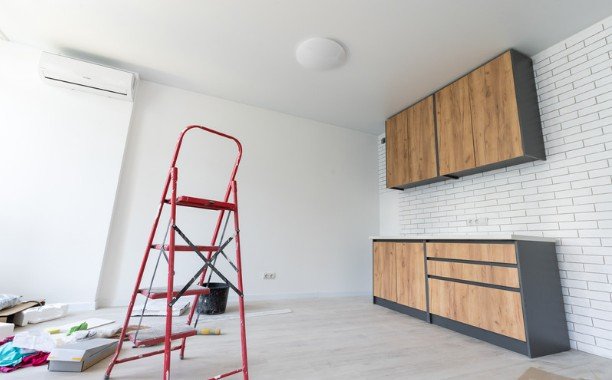
Countertop templating is one of the most important handoff moments in a kitchen project. It is the stage where measurements are taken from the installed cabinets so the countertop can be fabricated to the finished footprint. If the cabinets are not level, stable, and fully positioned, the template can be wrong even if the measurements were taken carefully.

That is why countertop templating should happen only after the cabinet base is locked in place. Not almost finished. Not “close enough.” Fully set.

Peppermint Cabinets helps establish that stable base by building cabinets to the room and ensuring the installation can support accurate templating. They do not fabricate stone countertops, and they should not be expected to. Their role is to make sure the cabinetry beneath the countertop is correct, because the countertop depends on that foundation.

The sequence matters:

  1. Final cabinet dimensions are confirmed.
  2. The cabinet base is leveled and secured.
  3. Wall conditions and appliance openings are verified.
  4. Countertop templating is completed from the actual installed layout.
  5. Fabrication moves forward with fewer surprises.

That sequence protects the project from the kind of small mismatch that becomes expensive later.

What Strong Operators Do Differently During Renovation Planning

What Strong Operators Do Differently During Renovation Planning

The best projects are not just well built. They are well coordinated. Builders, designers, and homeowners who get the best results tend to treat the cabinet stage as a planning checkpoint, not just a delivery date.

Peppermint Cabinets is set up for that kind of workflow. Their complimentary 3D layouts help clarify how the space will function before production, and their local in-house process keeps the design grounded in what the room can actually support. Addressing plumbing problems requires professional service, so coordinating those repairs before cabinet installation helps keep the project on track. That makes them a practical partner for new homes and remodels alike.

Strong operators usually do a few things consistently:

  • Confirm the finished floor height before cabinet heights are finalized
  • Measure walls for real-world variance, not just centerline dimensions
  • Reserve enough room for fillers, panels, and appliance movement
  • Verify that cabinet runs support countertop templating without adjustment
  • Coordinate the cabinet schedule with the flooring and finish trades

Those steps may sound basic, but they are exactly what separates a smooth project from a frustrating one. They also explain why working with a seasoned kitchen cabinet contractor in St. George homeowners trust can save more time than a rushed, cheaper approach ever would.

The Real Payoff Is A Cleaner Finished Room

When cabinets, flooring, walls, and countertop templating are planned together, the room feels quieter in the best possible way. Doors line up. Countertops sit correctly. Appliance gaps look intentional. Transition details make sense. The kitchen reads as a unified design instead of a set of parts that were forced to cooperate.

That outcome does not happen by accident. It comes from sequencing the work correctly and respecting the role of each trade. Peppermint Cabinets brings that kind of structure to the project through custom design, in-house assembly, and a process built around precision rather than shortcuts.

For homeowners and builders in Southern Utah and the Wasatch Front, that means the cabinet stage can do more than fill a wall. It can establish the standard for the rest of the room. If you want the kitchen to feel balanced from the first install day to the final countertop reveal, start with the cabinetry and plan the sequence around it with Peppermint Cabinets.

More From Author

What Recurring Ceiling Stains Can Tell You About a Roof Problem

What Recurring Ceiling Stains Can Tell You About a Roof Problem

What Recurring Ceiling Stains Can Tell You About a Roof Problem

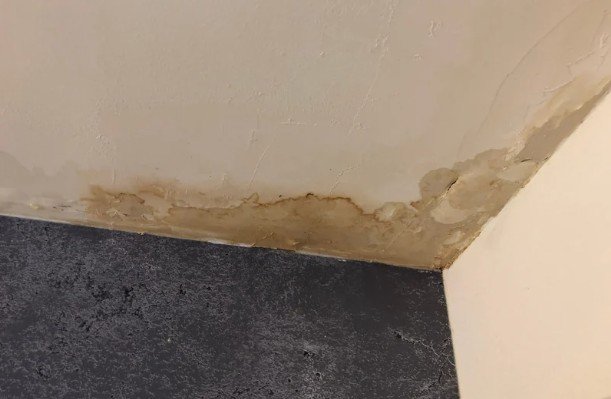
A ceiling stain that returns after drying suggests the moisture problem still needs attention. The visible mark may be some distance from the point where water entered. Tracing the cause before repairing the ceiling helps avoid covering damage that will simply appear again.

That is why recurring stains deserve more attention than a one-time drip. They often point to a roof problem that is active, hidden, and capable of doing more damage than the visible mark suggests. Riverbend approaches these situations with a straightforward premise: do not guess, assess. The stain is the symptom, not the diagnosis.

Why Recurring Stains Usually Point Back to the Roof

A stain that reappears after drying means water is finding a repeatable route. That route may be subtle. It does not have to produce a dramatic leak or obvious interior dripping to be serious. In many homes, the moisture travels from the roof system into insulation, around framing, and finally to the ceiling surface where it becomes visible.

The most important point is that the visible stain is often far from the actual entry point. Water can move along roof decking, around fasteners, or through concealed seams before it reaches the interior. That is why homeowners who only patch the ceiling often find themselves dealing with the same problem again later.

Recurring stains commonly relate to conditions such as:

  • Damaged or aging flashing around chimneys, skylights, vents, or wall intersections
  • Missing, lifted, or wind-damaged shingles
  • Nail pops or exposed fasteners
  • Underlayment deterioration
  • Ice damming at the eaves
  • Poor attic ventilation that allows condensation to accumulate

Each of these problems can allow undetected water infiltration without a dramatic failure on the roof surface. Riverbend often sees that the stain is only the last sign of a longer chain of moisture movement.

The Difference Between a One-Time Leak and an Ongoing Roof Issue

The Difference Between a One-Time Leak and an Ongoing Roof Issue

A single stain after an unusual storm may come from a temporary condition. An ongoing pattern is different. If the stain grows, returns in the same season, or appears after snowmelt and wind events, the roof system deserves a closer look. That pattern usually suggests the original source is still present.

Seasonal repetition is a clue, not a coincidence

If stains appear after winter thaw, ice dams become a strong possibility. When they show up after heavy wind, loose shingles or flashing damage may be involved. If they return during multiple weather cycles, the issue may be structural rather than incidental. That is especially true in climates that see freeze-thaw swings, snow load, and strong gusts.

This is where local knowledge matters. When assessing roofing in Layton, a stain is not interpreted in isolation. It is read against the weather, the roof slope, the age of the materials, the attic conditions, and the roof penetrations that are most vulnerable to moisture entry.

Location of the stain matters

Where the stain appears can help narrow the source, even though it rarely identifies the exact failure point on its own. Stains near exterior walls may point toward flashing or ice damming. Stains around interior corners can suggest water moving along framing. Marks below a bathroom vent or skylight may indicate a roof penetration issue rather than a plumbing problem.

That distinction matters because a ceiling patch can hide the evidence while the leak continues. Riverbend’s value is in tracing the pattern back to the roof assembly, not just covering the mark inside the house.

The Roof Details That Most Often Get Missed

Many recurring stains come from small failures that are easy to overlook during casual inspection. The roof may look acceptable from the ground, but the vulnerable detail is often only visible up close. That is why a professional assessment is more useful than a quick visual guess.

Flashing is one of the most common problem areas. It protects joints where the roof meets another surface, and those transitions are naturally weak points. If the metal is corroded, displaced, or poorly sealed, water can enter during wind-driven rain or snowmelt.

Underlayment is another issue that gets less attention than shingles but matters just as much. Once water gets past the outer layer, the underlayment becomes the backup defense. If it is degraded, torn, or improperly installed, small moisture intrusions become recurring interior stains.

Attic ventilation also belongs in the conversation. Poor airflow can trap heat and moisture, which encourages condensation in cold weather. That moisture may show up as a ceiling stain even when the roof covering itself does not appear dramatically damaged. In that situation, the roof problem is not just exterior. It is a system issue.

What Strong Roof Diagnostics Focus On

What Strong Roof Diagnostics Focus On

A good inspection does more than identify a likely leak area. It checks the whole chain of conditions that allow water to enter, travel, and appear indoors. That is where Riverbend takes a practical building-science approach. The goal is not to sell a bigger repair than needed. It is to determine what is actually failing.

A useful roof diagnosis usually examines:

  • Shingles for lifting, loss, or wind damage
  • Flashing around chimneys, skylights, vents, and walls
  • Fasteners and nail pops
  • Underlayment condition where accessible
  • Signs of ice damming and freeze-thaw damage
  • Attic ventilation and moisture patterns
  • Gutter drainage and overflow behavior

This broader view matters because recurring stains rarely come from one isolated factor alone. A minor flashing defect can become worse if ventilation is poor. A small shingle issue can lead to infiltration if winter conditions push water into vulnerable seams. Riverbend focuses on these relationships because solving only the most visible defect may leave the actual source untouched.

Why Early Action Protects More Than the Ceiling

It is tempting to wait until a stain gets larger or a drip becomes undeniable. But by that point, the roof problem may already be affecting insulation, decking, or framing. Moisture that stays hidden can create conditions that are more expensive to correct than the visible repair itself.

The real risk is not the stain on the ceiling. It is what the stain suggests is happening above it. Repeated infiltration can shorten the useful life of surrounding materials, compromise thermal performance, and create a cycle where the home becomes harder to dry out each time moisture enters.

That is why a targeted repair is often the smartest first move. Not every stain means a replacement is necessary. In many cases, the better answer is a focused correction to flashing, shingles, drainage, or ventilation. Just as thoughtful irrigation design creates healthier and efficient landscapes by directing water where it belongs, effective roof repairs address the source of unwanted moisture. Riverbend’s process is designed to identify those smaller failures before they become larger structural problems.

For homeowners wanting a local starting point, Riverbend’s Layton service area page is a useful place to learn how the team approaches roof diagnosis and repair in this region.

The Practical Takeaway for Homeowners

Recurring ceiling stains are rarely random. They are usually the visible result of a roof system that is letting water in somewhere, even if the exterior damage is subtle. The challenge is not just finding the stain source inside the home. It is identifying the roof detail, weather condition, or ventilation issue that keeps allowing the problem to return.

That is why the best response is measured and specific. Look at the pattern, not just the mark. Consider the season, the roof penetrations, the attic, and the drainage. Then bring in a team that knows how to evaluate the full system rather than chase the symptom.

If you are seeing the same stain more than once, Riverbend can help determine whether the issue is flashing, shingles, ventilation, or ice damming, and recommend the right repair before the damage spreads further.

More From Author

Keeping Food Service Glass Guards Easy to Clean and Inspect

Keeping Food Service Glass Guards Easy to Clean and Inspect: Best Practices**

Planning Cabinet Installation Around Flooring, Walls, and Countertop Templating

Planning Cabinet Installation Around Flooring, Walls, and Countertop Templating

Coordinating New Countertops with Cabinets and Appliances

New countertops need to be coordinated with cabinets, appliances, sinks, and the way the kitchen is used. Selecting the slab is only one decision. Support, dimensions, openings, edge details, and installation sequence affect whether the finished surface fits properly.

Before final measurements, confirm the cabinet layout and ask what condition the cabinets must be in for templating. Share exact appliance and sink specifications rather than relying on approximate sizes. Changes after fabrication may be difficult or costly to accommodate.

Resolve interfaces before the template is approved

Discuss overhangs, seating, seams, backsplash transitions, and any support required by the material and layout. Ask the fabricator how these details will be determined and which decisions must be final. Review the actual material selection because natural variation or pattern placement may affect expectations.

When choosing countertops in Orem, clarify who coordinates plumbing disconnection and reconnection, appliance fitting, and any related work. Ask about access for delivery and how the home will be protected during installation. Request care guidance specific to the selected material. A coordinated process keeps the countertop decision connected to the rest of the room, reducing the chance that an attractive surface arrives before the supporting details are ready.

Review a typical appliance installation alongside the countertop plan. Confirm the exact model information and who is responsible for verifying the opening, clearance, and surrounding support. A change in appliance selection should be communicated before fabrication rather than assumed to fit because the replacement is in the same general category.

Ask how the installation sequence handles items such as sinks, plumbing connections, and backsplash work. Identify which parts are included in the fabricator’s scope and which require another trade. Keep the final selections and approved template information together. Clear coordination reduces the chance that each provider completes an individual task correctly while a gap remains where the separate pieces need to work together.

Make the scope visible

Make the scope visible

Before approving work, ask for a description of what will be inspected, repaired, replaced, and left alone. For outdoor projects, have landscape construction begin with drainage planning so water management is considered before surfaces and planting are finalized. Photos and measurements help, but they do not reveal every concealed condition. A proposal should explain which assumptions depend on further inspection and how discoveries will be handled.

Keep functional requirements separate from appearance preferences. The first group may include water management, safe access, or compatibility with existing materials. The second may include color or finish. Both matter, but knowing the difference makes it easier to preserve essential work if the budget needs adjusting.

Compare the work behind the price

Two prices are difficult to compare when they describe different jobs. Check whether preparation, protection of nearby surfaces, disposal, and restoration are included. Ask who coordinates related trades and whether required permits or inspections are part of the quoted scope. Requirements depend on the work and location.

Discuss access and household disruption as well. Contractors may need clear pathways, parking, or temporary use of utilities. Pets, children, and work-from-home schedules can affect daily arrangements. Addressing these details before work begins gives everyone a clearer understanding of what the project involves beyond the finished result.

Keep a short project checklist

  • Record the existing condition with dated photographs from safe locations.
  • Save the agreed scope, product details, and relevant drawings together.
  • Ask how changes will be priced and approved before additional work.
  • Confirm who will answer questions while the work is underway.
  • Request care instructions and applicable warranty documents at completion.

Plan for the completed work

Plan for the completed work

Ask what routine care the finished work will need and which early signs should prompt a follow-up call. Some materials require specific cleaners or maintenance methods. Other components need periodic inspection rather than frequent treatment. Written instructions are easier to follow than a brief conversation during cleanup.

Before the final walkthrough, compare the completed work with the agreed scope and note any unresolved items. Keep photographs of concealed work when available, along with invoices and product information. These records can help with future repairs or changes. A successful project leaves the homeowner with both a functional result and enough information to look after it responsibly.

Ask what conditions would make the proposed approach unsuitable. A responsible explanation may identify damage that cannot be evaluated until an area is opened or an existing component is removed. Agree on the point at which work would pause for a new decision. Keeping that boundary clear is especially useful when several repairs depend on each other. It lets the homeowner understand the limits of the initial proposal without treating every unknown as a reason to approve additional work in advance.

Contact Quality Granite to coordinate material selection, final specifications, templating, and installation with the rest of your kitchen project.

More From Author

Why Hardscape Construction Should Begin with Drainage Planning

Why Hardscape Construction Should Begin with Drainage Planning

Keeping Food Service Glass Guards Easy to Clean and Inspect

Keeping Food Service Glass Guards Easy to Clean and Inspect: Best Practices**

Why Hardscape Construction Should Begin with Drainage Planning

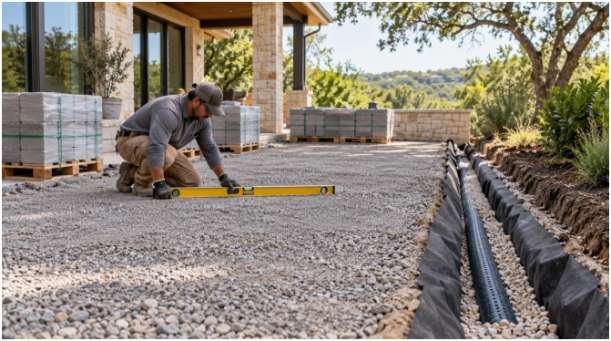
Hardscape construction should begin with an understanding of how water moves across the site. A new patio, wall, or walkway can change runoff and create problems if grading and drainage are treated as details to resolve after the visible surfaces are chosen.

Observe the property during and after rain where it is safe to do so. Note standing water, erosion, downspout discharge, and the relationship between the planned work and nearby buildings. Share those observations with the project team without assuming that one drain will solve every issue.

Coordinate surface and subsurface decisions

Coordinate surface and subsurface decisions

Ask how the proposed levels, base preparation, and drainage features work together. The plan should account for where water goes after leaving the new surface and whether it affects another part of the property. Local requirements and site conditions may call for specialized review.

When looking into hardscape construction in Austin, discuss drainage before approving a final layout. Clarify who is responsible for grading, irrigation changes, and connections to existing features. If the project includes a wall or other engineered element, obtain the appropriate professional design. A useful plan makes water management part of the construction logic so the finished space supports everyday use without simply transferring runoff problems to a different location.

Ask the project team to show the intended direction of water movement on the plan, noting how proper irrigation design creates healthier and more efficient landscapes. The drawing should make the basic approach understandable without expecting the homeowner to evaluate engineering calculations. Identify the points where the new work meets existing levels and where further assessment is needed.

Discuss how the plan will be checked during construction, before finished surfaces conceal important details. Clarify who is responsible for confirming levels and for addressing conditions that differ from the initial assessment. After completion, ask what observations should prompt a follow-up call. A clear drainage approach includes the route water takes and the responsibilities for implementing it, rather than relying on a single product or isolated drain.

Read the site before choosing features

Spend time observing the property under ordinary conditions. Notice where people walk, where water collects, which areas receive strong afternoon sun, and how equipment reaches the yard. A design that overlooks these details may be attractive on paper but inconvenient to use.

Existing trees, utilities, drainage routes, and access restrictions can shape what is practical. Share known property information with the designer and ask which conditions need field verification. Do not assume a boundary shown in an informal sketch is a surveyed property line. Clarifying these constraints early helps avoid placing improvements where they interfere with other needs.

Discuss construction and long-term care together

Discuss construction and long-term care together

The installation budget is only part of the decision. Ask what the landscape will require during establishment and after it matures. Watering, pruning, cleaning, seasonal service, and replacement needs affect both cost and daily effort. An elaborate feature may be a poor fit if nobody has time to maintain it.

Construction sequencing matters, too. Heavy equipment can damage finished surfaces or compact soil. Underground work may need to happen before paving and planting. Have the project team explain the sequence and identify anything that should be prepared now for a later phase. This can reduce avoidable disruption without committing to every feature immediately.

Questions to include in the plan

Questions to include in the plan

  • How will the area be used during a normal week?
  • Where will runoff go after the work is complete?
  • What maintenance will the owner handle personally?
  • Which existing plants or surfaces need protection?
  • What access will future repairs and seasonal service require?

Check the plan against everyday use

Thoughtful outdoor design is a key way to make your house feel like a true home. Imagine carrying groceries outside, moving furniture, bringing a hose through the space, or taking equipment to the far side of the property. These small routines expose narrow passages, awkward storage, and poorly placed obstacles. Review the design with everyone who regularly uses or maintains the yard.

Before construction, confirm which drawings and selections are approved and how changes will be documented. After installation, request care instructions and information about installed components. Keep a record of underground routes when available. The most useful landscape plan accounts for how the property will function, how it will be maintained, and how it can adapt when household needs change.

Photographs taken at different times of day can help explain conditions that are hard to capture during one site visit. Label them with the location and the issue you want to discuss. If the work crosses seasons, ask which decisions depend on weather, planting conditions, or material availability.

A proposed calendar should account for those dependencies rather than simply naming a completion date. Keep future access in mind so a later service visit does not require dismantling a finished part of the landscape.

Discuss drainage with Southern Landscape before approving a hardscape layout or selecting the final surface materials.

More From Author

What to Expect Before, During, and After an IV Therapy Appointment

What to Expect Before, During, and After an IV Therapy Appointment

Coordinating New Countertops with Cabinets and Appliances

Coordinating New Countertops with Cabinets and Appliances

When a Plumbing Problem Requires Professional Service Instead of a DIY Fix

A plumbing issue can look deceptively simple from the outside. A slow drain, a dripping faucet, or a weak toilet flush often feels like a task a homeowner can handle in an afternoon. However, plumbing is one of those systems where the visible symptom is rarely the whole problem. 

The real question is not whether you can make water stop dripping for the moment. It is whether you can solve the underlying issue without creating a bigger one.

That distinction matters. Some problems are low-risk maintenance tasks. Others signal pressure failures, hidden leaks, sewer backups, gas concerns, or code-related installation issues that should be handled by licensed professionals. 

Knowing where that line sits saves money, reduces damage, and helps you avoid the false economy of repeated temporary fixes. For homeowners across the Wasatch Front searching for plumbing services near me, choosing the right plumber can mean the difference between a manageable repair and an expensive emergency.

That’s why homeowners across the Wasatch Front turn to 1st American Plumbing for an accurate diagnosis and a lasting repair.

The Real Cost Of A “Simple” Plumbing Problem

The Real Cost Of A “Simple” Plumbing Problem

The biggest mistake homeowners make is treating plumbing as if every issue is isolated. In practice water, pressure, drainage, venting, and connected fixtures all influence one another. A clog may be local, but it may also be a symptom of a main sewer line stoppage. 

A rattling pipe may be harmless, or it may be a sign of excessive water pressure that is stressing the entire system.

That is why experienced technicians think in terms of systems, not just symptoms. 1st American Plumbing approaches repairs with that broader view, which matters when a small warning sign points to a larger failure. 

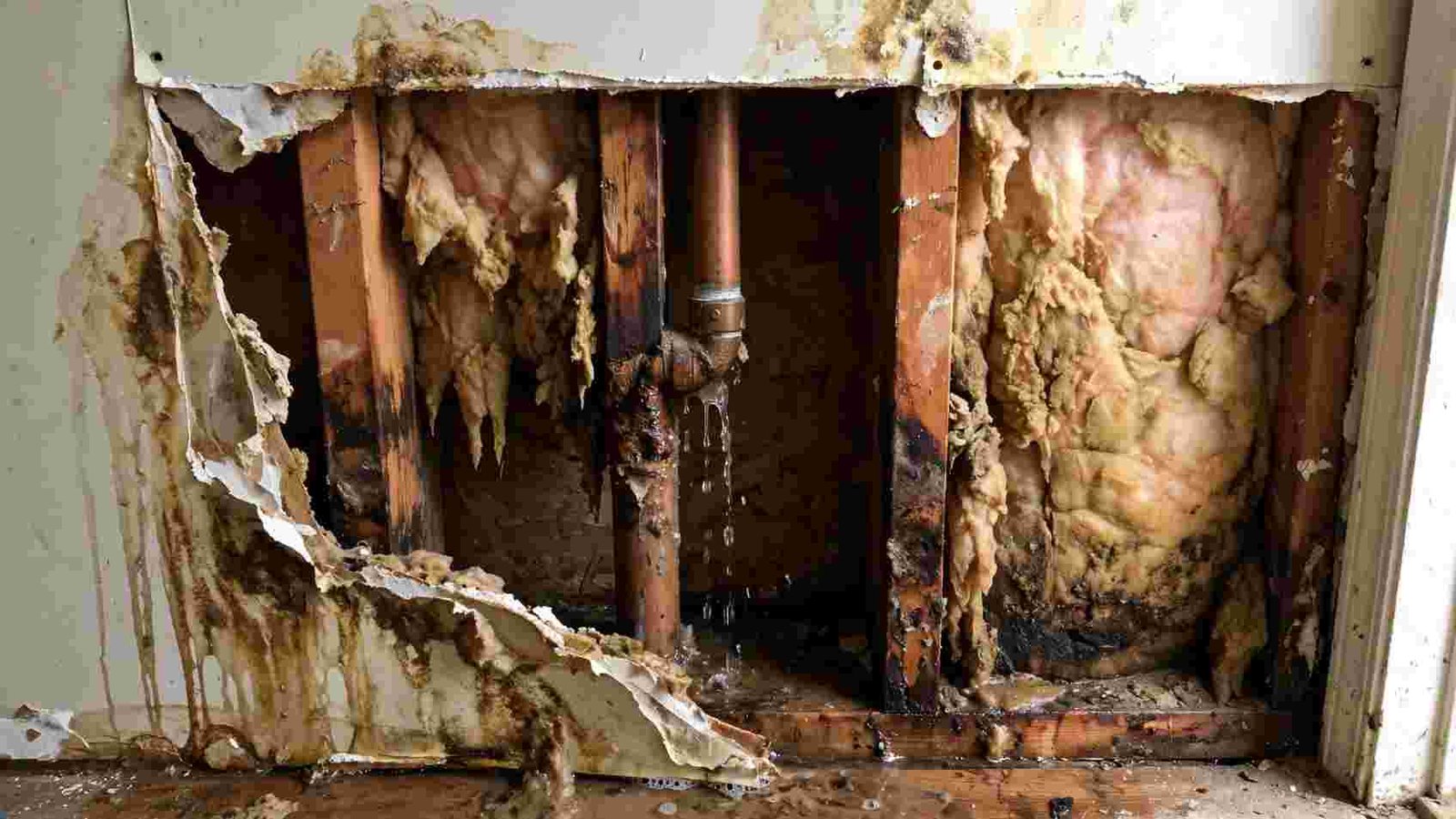
A homeowner may only notice one wet cabinet, but the cause could be a concealed pinhole leak inside a wall, a supply line failure, or a pressure regulator valve that is no longer controlling water pressure correctly.

When the issue involves repeated recurrence, hidden components, or damage that extends beyond a fixture, DIY stops being efficient.  At that point, the goal should shift from “make it work right now” to “find the cause before the problem spreads.”

Clear Signals That A Professional Is The Right Call

Clear Signals That A Professional Is The Right Call

Some plumbing problems are not about convenience; they are about risk. If a repair can affect structural materials, contaminated water, gas safety, or the code compliance of the system, a professional service is the prudent choice.

Here are the signs that should move a problem out of the DIY category:

  • Water is leaking inside walls, ceilings, or flooring.
  • A drain backs up repeatedly after temporary clearing.
  • The water heater is failing, leaking, or producing inconsistent hot water.
  • Water pressure is suddenly too high or too low.
  • You suspect a sewer line issue rather than a local drain clog.
  • A pipe, valve, or fixture has been repaired multiple times and keeps failing.
  • There is no concern about a gas line, where precision and compliance matter.
  • You hear banging, hammering, or surging pressure in the plumbing system.
  • Water damage is visible, but the source is not obvious.

These situations deserve more than guesswork. 1st American Plumbing provides diagnostics and repair services that are designed to identify the actual failure point, not just the most visible symptom. That matters because plumbing problems often worsen when the wrong part of the system is disturbed.

What Hidden Damage Looks Like Before It Becomes Obvious

A concealed leak rarely starts with a dramatic flood. More often, it begins with subtle clues: a soft spot in drywall, a musty odor, staining, peeling paint, or a water bill that quietly climbs.

These warning signs are among the signs your home needs professional leak detection, especially when the source of the moisture is not immediately visible.

By the time the damage is visible, moisture may already be affecting framing, insulation, or finished surfaces.

Professional leak detection and sewer camera inspections can help identify problems that are hidden behind walls or inside underground lines before the damage becomes more extensive.

The same is true of pressure issues. Excessive water pressure can seem harmless until fixtures start failing, hose connections leak, or appliances wear out faster than expected. A pressure regulator valve problem is not something to shrug off. It is a whole-home issue with long-term consequences.

Professionals have the tools and judgment to diagnose these problems without unnecessary demolition. An accurate diagnosis can save homeowners from paying for unnecessary or ineffective repairs.

Why Professional Tools Change The Outcome

Why Professional Tools Change The Outcome

Many DIY plumbing attempts fail for one simple reason: the job requires the right equipment, not just effort. 

A plunger may help a minor blockage, but a main sewer line stoppage usually calls for specialized clearing equipment, and using the wrong tool can push the obstruction deeper or damage the pipe.

This is where 1st American Plumbing stands out as a practical, capable option. Its technicians use equipment such as motorized drain machines and cable augers when standard methods are not enough. That allows them to clear serious line blockages with more control than improvised home methods.

The same principle applies to water heater work, valve replacements, and line repairs. A repair that seems straightforward may involve isolation valves, pressure controls, expansion tanks, venting, or code requirements that the average homeowner may not recognize.  Those details are missed, the system may appear fixed while remaining vulnerable.

When Drain Problems Are More Than A Clog

A slow sink drain and a main sewer backup are not the same problem. A local clog affects one fixture. A sewer line issue can affect multiple drains, cause wastewater to back up through the lowest point, and create sanitation concerns. That is a major reason homeowners should be cautious about relying on repeated store-bought cleaners or improvised snaking.

If several fixtures are draining slowly at once, the issue is likely beyond a basic DIY fix. In that scenario, professional assessment is the smarter path because the line itself, not just the fixture, may be compromised.

When Water Heater Work Is Not Worth The Guesswork

Water heaters are especially poor candidates for guesswork. They involve high temperatures, pressure, plumbing connections, and in many cases gas or electrical components.

For homeowners considering a replacement or new system, professional Rheem hot water system installation can help ensure the unit is installed correctly and safely.

A homeowner may be able to reset a tripped breaker or check the system’s basic settings, but once the problem goes deeper, the risk of causing additional damage rises quickly.

1st American Plumbing handles standard and tankless water heater repairs and installations, which is important because these systems have different requirements and failure patterns. If hot water is inconsistent, leaking, or shutting down unexpectedly, professional service is usually the safer and more cost-effective choice.

What Strong Operators Do Differently In A Plumbing Emergency

The best plumbing companies do more than show up with tools. TThey respond with urgency, communicate clearly, and look for ways to prevent the problem from recurring. That is the difference between a transactional fix and a dependable service experience.

1st American Plumbing has served Utah communities across the Wasatch Front since 1995, and that kind of longevity usually reflects a disciplined service model. They are licensed, insured, and led by Master Plumber licensing standards, which matters when the work affects safety and long-term system performance. 

They also maintain 24/7 availability for urgent plumbing emergencies, which is critical when a burst pipe or failed water heater cannot wait.

Good operators also communicate clearly. Homeowners should know who is arriving, what the technician is there to inspect, and what problem is being addressed before work begins. That lowers anxiety and helps the repair stay focused on the real issue.

For a homeowner, this is the practical value of choosing a professional team over a hurried DIY attempt: less uncertainty, fewer repeat failures, and a better chance of protecting the home from further damage.

Choosing Judgment Over Guesswork Protects The Whole Home

Plumbing is one of those systems where delay often disguises itself as caution. A homeowner may think they are saving money by avoiding service, but if the issue involves structural water damage, pressure failure, sewer contamination, or improper installation, hesitation can cost far more than the repair itself.

A useful rule of thumb is simple: if the problem is local, visible, and low-risk, it may be a reasonable maintenance task. If the problem is recurring, hidden, pressurized, sanitary, or connected to the water heater or main line, it belongs with a professional. That is the line where experience matters more than optimism.

This is also where a reputable company like 1st American Plumbing proves its value. The right technician does not just fix the symptom. They identify why it happened, whether the system has been stressed elsewhere, and what needs to be corrected so the problem does not keep returning.

The smartest homeowner response is not to attempt every repair personally. It is to recognize when a plumbing issue has crossed from inconvenience into risk. 

When that happens, professional service is not an upgrade. It is the responsible choice.

More From Author

How Irrigation Design Creates Healthier and More Efficient Landscapes

How Irrigation Design Creates Healthier and More Efficient Landscapes

What to Expect Before, During, and After an IV Therapy Appointment

What to Expect Before, During, and After an IV Therapy Appointment

How Irrigation Design Creates Healthier and More Efficient Landscapes

Why Irrigation Design Is a Landscape Strategy, Not Just a Utility Choice

A landscape rarely fails because of one dramatic mistake. More often, it declines slowly because the irrigation system was never designed to match the property it serves. Too much water in one zone, too little in another, pressure imbalances, poor coverage, and inefficient scheduling all add up. The result is familiar: stressed plant material, uneven growth, runoff, and avoidable maintenance.

That is why irrigation design in Colorado should be treated as a planning discipline, not an afterthought. A good design does more than deliver water. It responds to soil type, slope, exposure, plant material, water source, and the way different parts of the site actually behave through the seasons. Colorado Outdoor Environments approaches irrigation as an engineering problem with ecological consequences, which is the right lens for properties that need to be both resilient and resource-conscious.

When irrigation is designed properly, the landscape becomes easier to manage over time. Plants establish more predictably. Soil stays in a healthier moisture range. Water is applied with intention rather than guesswork. That is a better outcome for the property, the budget, and the long-term health of Colorado landscapes.

What Strong Irrigation Design Does Before Any Equipment Is Selected

The biggest misconception about irrigation is that the hardware is the solution. In reality, the equipment only performs well when the system has been designed around the site. Before a single head, valve, or sensor is chosen, a strong design process evaluates the conditions that determine how water should move and where it should go.

Colorado Outdoor Environments builds from that principle. Their process begins with site-based review, hydraulic planning, and water availability considerations so the finished system reflects the property rather than forcing the property to adapt to the system.

The same planning principle applies to residential water systems, where professional Rheem hot water system installation can help ensure equipment is properly matched to the property’s needs and installed for reliable performance.

A thoughtful pre-installation evaluation typically looks at:

  • Soil conditions and infiltration behavior
  • Slopes, drainage patterns, and runoff risk
  • Sun exposure and microclimates across the site
  • Plant types and water needs by zone
  • Water pressure, flow limits, and supply constraints
  • Access points, utility conflicts, and maintenance needs

This is where quality design creates value. If the system accounts for variable site conditions in advance, it can avoid the problems that usually surface later: overspray, dry pockets, broken pressure balance, and schedules that no longer fit the landscape. Good design is not a luxury layer added on top of irrigation. It is the part that makes the rest of the system work.

Why Hydraulics Matter More Than Most Property Owners Realize

Why Hydraulics Matter More Than Most Property Owners Realize

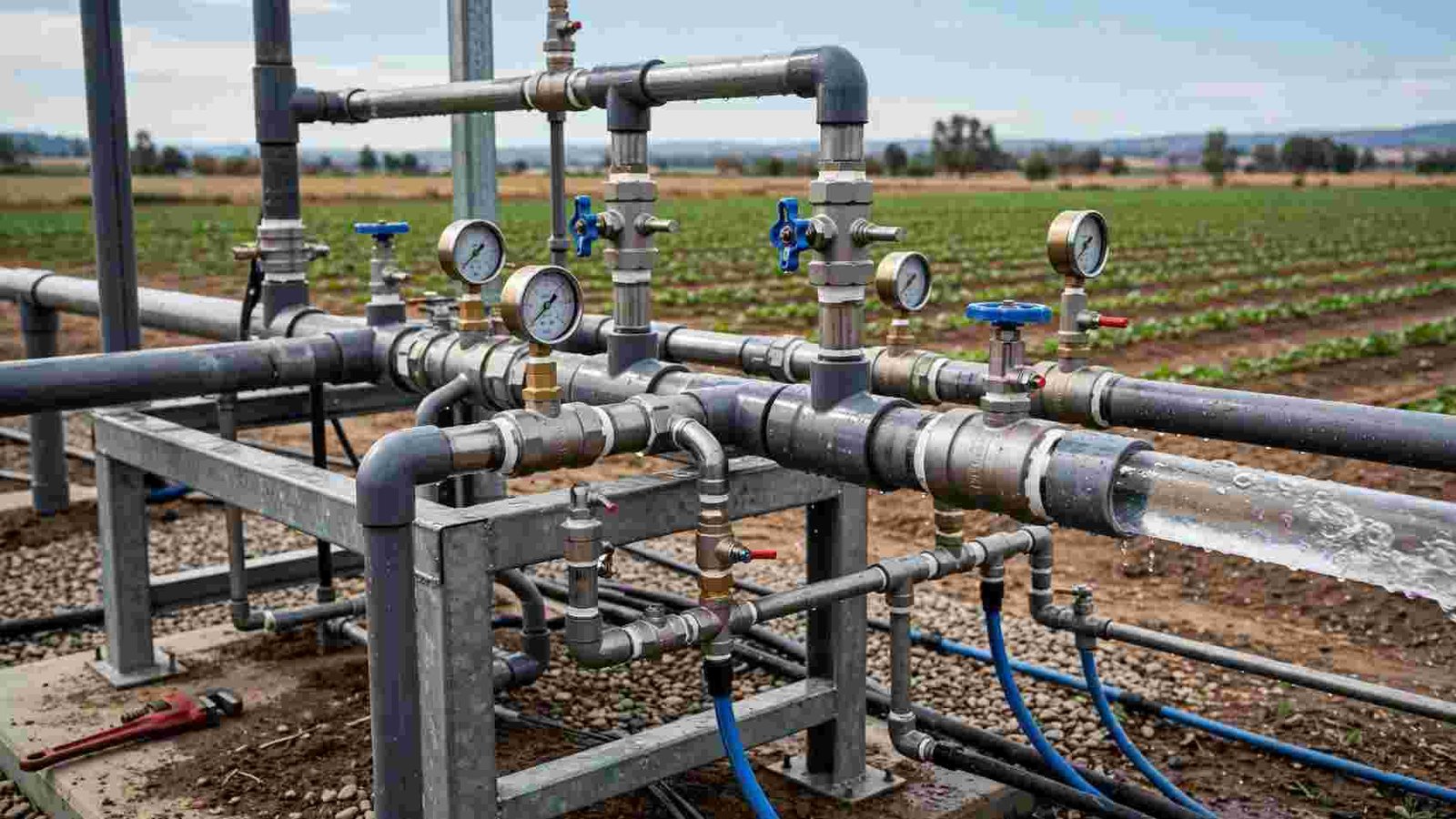
Many irrigation problems are really hydraulic problems. If the system cannot maintain the correct pressure and distribution, then even high-quality components will perform inconsistently. That is why hydraulics system components matter as much as the visible spray pattern.

A well-engineered system balances flow demand with available supply. It divides zones logically. It matches emitter type to plant demand. It places drip irrigation where targeted delivery makes more sense than broad coverage. Those decisions reduce waste and improve consistency, which is especially important on complex or larger properties.

Smart Irrigation Technology Makes Precision Possible

Modern irrigation design is no longer limited to timers and fixed schedules. The most effective systems use data to adjust watering in real time. That is where smart irrigation technology changes the conversation from “How much should we water?” to “What does this site need right now?”

Colorado Outdoor Environments integrates tools such as soil moisture sensors, weather and precipitation sensors, and hydraulic flow monitoring into system design when appropriate. These tools help the system respond to conditions rather than follow a rigid calendar. On a practical level, that means the landscape can receive water when it is needed and avoid watering when it is not.

The advantage is not just convenience. It is control. Property owners and managers can monitor usage, receive alerts, and make decisions based on actual system performance. That is especially valuable when a site contains a mix of turf, ornamentals, trees, and specialty areas that cannot be treated identically.

Soil Moisture Sensors Prevent Both Extremes

Healthy landscapes depend on balance. Too much water can suffocate roots, encourage shallow growth, and create drainage issues. Too little water causes stress, weak establishment, and plant loss. Soil moisture sensors help narrow that gap by showing whether the root zone actually needs water before a cycle is triggered.

That matters because the surface can look dry while deeper soil still holds usable moisture, or the opposite may be true after a hot, windy stretch. Sensor-based irrigation reduces the guesswork and supports healthier plant performance across the full season.

Flow and Pressure Monitoring Protect System Performance

A system that is leaking, clogged, or losing pressure may still run, but it will not run well. Flow and pressure sensors create an early warning system. They can identify unusual usage, broken components, or pressure changes that may otherwise go unnoticed until visible damage appears.

For larger or more complex properties, that monitoring is not a minor upgrade. It is part of responsible water management. Colorado Outdoor Environments uses these tools to help create systems that are more transparent, more responsive, and easier to maintain.

Drip Irrigation and Zone Logic Create Better Results With Less Waste

The best irrigation systems do not try to water everything the same way. They divide the landscape into logical zones based on plant need, exposure, soil, and watering method. This is where design has the biggest operational impact.

Drip irrigation is one of the clearest examples. In the right setting, it delivers water directly where it is needed, instead of losing water to evaporation, drift, or overspray. It is often a better fit for shrubs, beds, trees, and selected specialty areas than conventional broad-coverage systems. That does not mean drip replaces every other method. It means the system should use the right method in the right place.

A strong design also respects how different parts of the landscape behave:

  • Turf areas may need different delivery patterns than plant beds
  • Shaded zones often dry more slowly than exposed areas
  • Slopes require special attention to avoid runoff
  • Newly installed plantings need a different establishment strategy than mature ones
  • High-traffic or high-visibility areas may require tighter control and closer monitoring

This is one of the reasons Colorado Outdoor Environments focuses on custom design rather than standardized layouts. Every property requires a custom irrigation design because no two properties, soil profiles, or landscape needs are identical. A fixed template can look complete on paper and still perform poorly in the field. A tailored design is more likely to produce consistent, long-term success.

Better Irrigation Design Improves Maintenance, Not Just Water Use

Efficient irrigation is often discussed in terms of water conservation, but the operational benefits extend further. A properly designed system is usually easier to manage, easier to troubleshoot, and less likely to create recurring maintenance headaches.

The same prevention-first approach applies to other property systems, where knowing when a plumbing problem requires professional service can help prevent minor issues from developing into costly damage.

That matters to homeowners, estate managers, commercial operators, and public property stewards alike.

A system that is engineered correctly can reduce avoidable service calls caused by coverage gaps, runoff, or mismatched pressure. It can also support more predictable seasonal adjustments because the zoning and components already reflect the reality of the site. In other words, design reduces friction before it becomes expensive.

Colorado Outdoor Environments is especially credible here because the company’s work spans consulting, construction management, water management, and smart technology integration. That full-lifecycle perspective matters. When the same team helps shape the design and oversee installation, the final system is more likely to match the original engineering intent. This closes the gap between plan and execution, which is where many irrigation projects lose performance.

That approach is particularly important on larger or more complex landscapes, where small inconsistencies multiply quickly. A system that is only “close enough” can create ongoing inefficiencies. A system that is built to specification can support healthier growth with fewer surprises.

What Property Owners Should Expect From a Serious Irrigation Partner

Choosing an irrigation firm should not be about finding someone who can install equipment quickly. It should be about finding a team that understands water as a managed resource and a landscape as an interconnected system. That is the standard Colorado Outdoor Environments brings to the table, and it is the standard a serious property owner should expect.

A high-quality irrigation partner should be able to explain:

  • Why a specific zone exists
  • How the hydraulic design supports the equipment
  • Which parts of the site need targeted delivery
  • What smart controls are doing and why they matter
  • How installation will be verified against the design
  • How the system can be adjusted as the landscape matures

That level of clarity is not just reassuring. It is useful. It helps owners and managers make better decisions, budget more accurately, and maintain the landscape with more confidence. It also signals that the system was designed with long-term performance in mind rather than short-term convenience.

For readers who want to explore the service in more detail, Colorado Outdoor Environments outlines its approach to irrigation design in a way that reflects the company’s engineering-first philosophy.

The Long-Term Value of Designing for Water, Plants, and Performance Together

The Long-Term Value of Designing for Water, Plants, and Performance Together

The strongest irrigation systems do not simply distribute water. They support the broader health of the landscape by aligning design, technology, and site conditions. That is the real value of irrigation design in Colorado: it gives the landscape what it needs without demanding constant correction.

When design is done well, the benefits show up in more than one place at once. Plants establish and mature more reliably. Water is used more intentionally. Maintenance becomes more predictable. System performance is easier to monitor. And the landscape is better positioned to handle Colorado’s demanding conditions with less waste and less stress.

That is why Colorado Outdoor Environments stands out as more than an installer. The company operates as a water management and irrigation design partner, which is exactly the kind of expertise complex properties need. In a region where water matters and site conditions vary dramatically, thoughtful design is not optional. It is the foundation of a healthier, more efficient landscape.

More From Author

How Luxury Transportation Can Simplify Airport and Resort Travel 

How Luxury Transportation Can Simplify Airport and Resort Travel 

When a Plumbing Problem Requires Professional Service Instead of a DIY Fix

When a Plumbing Problem Requires Professional Service Instead of a DIY Fix

Explore Stunning Display Homes in Canberra ACT

Display homes play a significant role in the homebuying process, offering prospective buyers the chance to explore various design options and layouts before making a purchase decision. In Canberra ACT, display homes showcase the latest trends in architecture, materials, and home technology, providing valuable insights into potential living environments. This article examines the benefits of visiting display homes, focuses on the variety available in Canberra ACT, and highlights what buyers should consider when exploring these homes.

The Importance of Display Homes

Display homes serve as practical examples that bring house plans to life. They allow potential homeowners to visualise the space, understand the flow between rooms, and identify design features that meet their specific needs.

By touring these homes, buyers can evaluate aspects such as natural lighting, room sizes, storage capacity, and the overall aesthetic. In addition, display homes help in assessing build quality and finishing standards offered by different builders.

Display Homes as a Decision-Making Tool

For many individuals and families planning to build or purchase a new home, the decision-making process can be overwhelming due to the array of choices available. Display homes can simplify this process by providing a tangible example to compare floor plans, designs, and customisation options. This hands-on experience can help identify preferences and avoid costly post-construction changes.

Variety in Display Homes Canberra ACT

Variety in Display Homes Canberra ACT

Canberra ACT has witnessed significant growth in its residential developments, resulting in a wide selection of display homes designed to cater to diverse tastes and requirements. From contemporary single-storey houses to more spacious double-storey residences, the market caters to first-time buyers, growing families, and downsizers alike. This variety ensures that prospective buyers can find a style and layout that resonate with their lifestyle.

Contemporary Designs

Modern display homes often feature open-plan living spaces, large windows, and a focus on sustainability. Such homes maximise natural light and ventilation, creating a comfortable and energy-efficient environment. Innovative building materials and techniques are frequently used, providing durability and reducing maintenance requirements.

Family-Focused Homes

Homes designed with families in mind typically offer multiple bedrooms, flexible living areas, and outdoor spaces suitable for children. Many display homes in Canberra ACT incorporate these features, allowing families to evaluate spaces that will accommodate their day-to-day activities comfortably.

Customisable Options

Most builders showcasing display homes provide customisation opportunities. Buyers can select finishes, fixtures, and sometimes even alter floor plans to better suit their preferences. This flexibility ensures that display homes can act as a foundation for a personalised home design.

Visiting Display Homes Canberra ACT

Visiting Display Homes Canberra ACT

One of the prominent options for viewing such homes is through display homes canberra act. Builders and developers in Canberra regularly open display homes to the public, often with flexible hours and appointment options. These visits allow buyers to discuss project timelines, costs, and available upgrades with professionals present during the tours.

What to Evaluate During the Visit

Prospective buyers are encouraged to observe details such as storage spaces, kitchen layouts, and bathroom designs. Checking the quality of appliances and fixtures is also recommended. Additionally, assessing the layout’s practicality in relation to the family’s requirements, such as proximity between bedrooms and living spaces, can influence the decision significantly.

Questions to Ask Builders

During the tour of display homes, potential homeowners should inquire about the estimated construction timeline, included features in the base price, warranties, and any incentives associated with purchasing a home through the display process. Understanding these factors can help avoid surprises during the construction phase.

Benefits of Choosing Display Homes in New Developments

Many display homes in Canberra ACT are situated within established or emerging residential communities. Choosing a home in these new developments often offers additional advantages, including modern infrastructure, proximity to schools, parks, and shopping centres.

Viewing a display home within its community context provides a more comprehensive understanding of the living environment. Along with this, take the leverage of benefits of hiring a buyers agent for detailed market research and legal and financial help before purchasing a home.

Financial Considerations

Exploring display homes can also help buyers estimate their budget more accurately. Since display homes reflect current market standards, they provide a realistic basis for comparing the cost of features and finishes. Some builders may offer package deals or promotions linked to display homes, which can be financially beneficial.

Sustainability and Energy Efficiency

Sustainability and Energy Efficiency

A significant focus of new display homes is sustainability. Many builders integrate energy-efficient appliances, high-quality insulation, and solar power options to reduce ongoing energy costs. Visitors to display homes in Canberra ACT can observe these features firsthand and inquire about environmentally friendly options tailored to their needs.

Smart Home Technology

The incorporation of smart technology is becoming a standard feature in modern display homes. Features such as automated lighting, heating controls, rheem hot water system and security systems enhance comfort and convenience for homeowners. Evaluating these technologies during a visit helps buyers decide which advancements are worthwhile investments.

Conclusion

Display homes offer an invaluable resource for anyone considering building or buying a new home in Canberra ACT. They provide a tangible experience, showcase current design trends, and enable informed decision-making. Exploring a variety of display homes allows potential buyers to identify features suited to their lifestyles and budgets.

For those interested in viewing some of the finest examples, display homes canberra act present compelling options that combine quality construction, modern amenities, and attractive designs. By taking advantage of these display homes, buyers can gain confidence in their home purchase decisions and enjoy a smoother path to owning their ideal residence.

More From Author

The Ultimate Guide to Choosing the Best Body Cleanser

The Ultimate Guide to Choosing the Best Body Cleanser

Comprehensive Guide to Newcastle Property Management Services

Comprehensive Guide to Newcastle Property Management Services

Choosing Expert Structural Concrete Repair Contractors for Long-Lasting Results

Concrete is a fundamental material in construction, known for its durability and strength. However, over time, even the best-quality concrete can suffer damage due to environmental factors, structural strain, or poor initial workmanship.

When concrete deteriorates, it poses significant risks to the safety and integrity of buildings and infrastructure. Therefore, choosing expert structural concrete repair contractors is essential for ensuring long-lasting results and maintaining the safety and functionality of concrete structures.

Understanding Structural Concrete Repair

Structural concrete repair involves addressing damages that compromise the integrity of concrete elements. These damages could be cracks, spalling, corrosion of reinforcement bars, or settlement issues. The repair process is more than just surface patching; it requires thorough assessment, preparation, and appropriate techniques to restore the structure’s strength.

Proper repair is critical to extend the lifespan of concrete structures such as bridges, parking garages, retaining walls, and commercial buildings. Failure to address structural defects promptly may lead to costly consequences, including unsafe conditions and complete structural failure.

The Importance of Selecting Professional Contractors

Concrete repair requires specialised knowledge and equipment. Expert contractors understand the intricacies of concrete behavior, types of damage, and suitable repair materials. Choosing professional structural concrete repair contractors ensures the application of industry best practices and compliance with safety standards.

Unqualified contractors may offer quick fixes that do not address underlying issues, leading to recurring problems. Experienced professionals provide comprehensive solutions that restore the structure’s performance and prevent further deterioration. The use of appropriate repair techniques and materials also contributes to cost-effectiveness in the long term.

Key Qualities of Reputable Structural Concrete Repair Contractors

Key Qualities of Reputable Structural Concrete Repair Contractors

There are several factors to consider when selecting contractors for concrete repair projects. First is the contractor’s experience. A well-established contractor with a proven track record in structural repairs is more likely to deliver reliable outcomes. Case studies or references from past clients can provide insight into their capabilities.

Second, certification and licensing are essential. Professional contractors should have the necessary credentials that confirm their compliance with industry regulations and standards. Additionally, insurers and bonding protect clients from potential liabilities during the project.

Third, expertise in different repair methods is vital. Concrete damage varies widely, and repair approaches range from epoxy injection for crack repair to cathodic protection for corrosion control. Contractors should be able to assess the situation accurately and recommend the most effective solutions.

The Repair Process: What to Expect

When hiring structural concrete repair contractors, it is important to understand the typical repair process. Initially, they will conduct a detailed inspection to identify the cause and extent of the damage. This assessment may involve non-destructive testing or core sampling for deeper analysis.

Following the evaluation, contractors develop a repair plan specifying the required materials, techniques, timelines, and costs. Transparency during this phase helps clients make informed decisions.

The actual repair work often begins with surface preparation, which may include removing loose concrete, cleaning reinforcement bars, and addressing corrosion. Depending on the damage, contractors will then apply relevant repair materials such as high-performance mortars, polymer overlays, or corrosion inhibitors.

Modern Techniques and Materials in Concrete Repair

Advancements in concrete repair technology have introduced various innovative materials and techniques that improve repair durability. Polymer-modified repair mortars, fibre-reinforced composites, and epoxy injections are common options used by experts to enhance repair quality.

Furthermore, techniques like cathodic protection help prevent reinforcement corrosion by applying an electrical charge to counteract the corrosive process. These modern methods not only extend the life of concrete elements but also improve resistance to future damage.

Ensuring Longevity through Regular Maintenance

Concrete repair does not end with the completion of remedial work. Ongoing maintenance is critical to preserving the results and preventing new issues. Expert contractors often recommend maintenance schedules involving inspections and minor repairs to keep the concrete in good condition.

Maintenance activities could include sealing cracks, applying protective coatings, and controlling water ingress. Regular upkeep reduces the need for extensive repairs and supports the long-term performance of concrete structures.

Cost Considerations and Value for Money

Cost Considerations and Value for Money

While it may be tempting to choose the cheapest option for concrete repair, prioritising quality and expertise yields better value for money. Properly executed repairs by experienced contractors avoid premature failures and the associated costs of repeated intervention.

Transparent pricing, detailed quotations, and clear communication help clients understand the scope and cost of repair projects. Investing in expert service reduces the risk of hidden costs arising from inadequate repairs.

Health and Safety in Concrete Repair Projects

Structural concrete repairs often involve hazardous materials and working conditions. Professional contractors strictly adhere to health and safety regulations to protect workers and occupants of the premises.

Risk assessments and safety plans are integral parts of the repair project. From the use of personal protective equipment to the safe disposal of waste materials, expert contractors demonstrate their commitment to safe work environments.

Environmental Considerations

Concrete repair activities can have environmental impacts, including dust, noise, and waste generation. Leading contractors implement environmentally responsible practices such as recycling debris and minimising disruptions.

Furthermore, selecting sustainable repair materials and techniques contributes to reducing the environmental footprint of repair works.

Summary

Choosing expert structural concrete repair contractors is crucial for achieving durable, safe, and cost-effective repair outcomes. Their specialised knowledge, experience, and use of modern techniques ensure that concrete structures are restored to their original performance standards.

Clients benefit from thorough assessments, customised repair plans, and ongoing maintenance support. Prioritising professional service minimises risks and enhances the longevity of concrete assets.

For reliable and professional concrete repair services, engaging structural concrete repair contractors is a prudent decision that safeguards infrastructure investment for years to come.

More From Author

The Role of an Asset Management Company in Financial Growth

The Role of an Asset Management Company in Financial Growth

Exploring Sydney’s City Lights: The Ultimate Night Kayaking Experience

Exploring Sydney’s City Lights: The Ultimate Night Kayaking Experience

Expert Rheem Hot Water System Installation Services

Water heater installation is a crucial aspect of ensuring a reliable and efficient supply of hot water in any residential or commercial property. Among the various brands available, Rheem stands out as a leading manufacturer known for durability and performance. Professional Rheem hot water system installation services offer tailored solutions that guarantee optimal functionality and longevity of these systems.

The Importance of Professional Water Heater Installation

Installing a water heater involves more than just connecting pipes and electrical wiring. It requires technical expertise to handle complex components, comply with safety regulations, and integrate the heater with existing plumbing systems. Professional installation minimizes risks such as leaks, inefficiencies, or even hazards like carbon monoxide poisoning that can arise from improper setup.

Why Choose Rheem Hot Water Systems?

Why Choose Rheem Hot Water Systems?

Rheem hot water systems are prized for their advanced technology and high energy efficiency. The company produces a wide range of models, including electric, gas, solar, and heat pump systems, catering to diverse needs. Selecting Rheem ensures access to products that deliver consistent hot water, reduce energy consumption, and offer easy maintenance.

Energy Efficiency and Sustainability

Many Rheem systems are designed with energy-saving features, such as smart thermostats, enhanced insulation, and heat pump technology. These innovations contribute to reducing household or business energy bills while also lowering the environmental impact. Professional installation ensures these features function as intended to maximise benefits and safety, making your house feel like a true home with a sense of comfort.

Services Included in Rheem Hot Water System Installation

Services Included in Rheem Hot Water System Installation

Expert service providers undertake a comprehensive assessment before installation, evaluating the water usage patterns, existing infrastructure, and site constraints. They then recommend the most suitable Rheem model and installation approach. Services typically include removal of old units, pressure testing, electrical work, and initial system calibration.

Site Assessment and Customisation

Each property has specific requirements, shaping how and where a water heater should be installed. Technicians consider factors such as pipe layout, electrical supply, and local regulations to provide a customised installation plan. Thorough site assessment prevents issues like reduced water pressure and ensures compliance with safety standards.

Removal and Disposal of Old Water Heaters

Experts will safely disconnect and remove any existing water heating system. Proper disposal methods are followed to adhere to environmental guidelines, reducing waste and avoiding potential hazards associated with outdated or damaged units.

Installation and Connection

The installation process entails securely mounting the new system, connecting it to water lines and electrical supply, and integrating any control systems. Precision during this stage is critical to avoid leaks, pressure imbalances, or electrical faults that could compromise performance or safety, preventing the impact of extreme weather. 

Benefits of Using Professional Rheem Installation Services

Benefits of Using Professional Rheem Installation Services

Engaging certified installers provides several key advantages. Skilled technicians possess in-depth knowledge of Rheem products, ensuring accurate setup and calibration. They also provide warranties and post-installation support, adding value and peace of mind for customers.

Safety Assurance

Water heater installation involves potential risks such as gas leaks, electrical hazards, and water damage. Professionals follow strict safety protocols and carry appropriate tools to mitigate these risks during and after installation.

Improved Performance and Longevity

Correct installation affects not just immediate operation but also the lifespan of the Rheem system. Proper ventilation, secure fittings, and precise configuration help maintain consistent heating performance and reduce the likelihood of breakdowns.

Compliance with Regulations

Local building codes and regulations govern water heater installations. Experienced professionals ensure all legal requirements are met, preventing fines or complications during property inspections.

Considerations When Installing a Rheem Hot Water System

Choosing the right system and installation method requires careful consideration of several factors. Evaluating family or business size, water consumption patterns, energy sources available, and budget constraints helps in selecting the appropriate Rheem product.

System Capacity

The size of the water heater must correspond to the peak demand of the property. Oversized or undersized units can result in wasted energy or inadequate hot water supply. Experts assist in determining the correct capacity based on usage data.

Energy Source Availability

Rheem offers models compatible with different energy sources such as electricity, natural gas, or solar power. Installation professionals guide clients in selecting systems that best fit the energy infrastructure and environmental goals.

Location and Space Constraints

The physical space available for installation, including indoor or outdoor options, affects system choice and configuration. Technicians assess accessible areas to ensure the system fits and functions effectively without obstructing other utilities.

Maintenance and Aftercare

Post-installation maintenance is vital to sustaining performance and safety. Professional Rheem installers often provide routine servicing packages that include inspection, flushing of the tank, anode rod replacement, and thermostat calibration.

Extending System Lifespan

Regular check-ups detect early signs of wear or corrosion, allowing prompt remedial actions. This preventative maintenance extends the operational life of the water heater, saving costs on premature replacements.

Ensuring Energy Efficiency

Well-maintained systems operate at optimal energy efficiency, reducing utility bills and environmental impact. Professionals can provide advice on settings and upgrades to further improve efficiency.

Conclusion

Expert rheem hot water system installation services combine technical knowledge, customised solutions, and adherence to safety standards to deliver reliable hot water systems tailored to specific needs.

Selecting professional installers ensures proper installation, enhanced system performance, compliance with regulations, and long-term customer satisfaction. Whether upgrading an existing system or installing a new one, engaging skilled Rheem installation experts is essential for achieving the best outcomes.

More From Author

Effective Strategies in Behaviour Therapy

Effective Strategies in Behaviour Therapy

A Comprehensive Guide to the 482 Visa Australia

A Comprehensive Guide to the 482 Visa Australia

How to Build a Family Budget That Survives Real Life

Building a family budget sounds simple on paper—list your income, subtract your expenses, and save what’s left. In reality, life rarely follows a neat spreadsheet. Unexpected bills, changing needs, growing kids, and shifting priorities can quickly throw even the best plans off track. That’s why a “real-life” budget isn’t just about math—it’s about flexibility, planning, and habits that adapt over time.

Start with a Clear Picture of Your Income

The first step in creating a family budget that actually works is understanding your true monthly income. This includes salaries, side gigs, freelance work, government benefits, or any other consistent earnings. If your income fluctuates, use the lowest reliable monthly amount as your baseline. This helps you avoid overspending during higher-income months and getting caught short during lean ones.

Once you know your number, treat it as your financial ceiling—not a goal to spend.

Track Every Expense (Yes, Everything)

Before you can control your money, you need to know where it’s going. Track your expenses for at least one full month. This includes rent, groceries, utilities, transportation, school fees, subscriptions, snacks, and even small impulse purchases.

Many families are surprised to discover how much goes toward “silent spending”—those small, frequent purchases that add up over time. Identifying these leaks is the first step toward fixing them.

Separate Needs from Wants

Separate Needs from Wants

One of the most powerful budgeting habits is learning to distinguish between needs and wants. Needs are essentials like housing, food, healthcare, and education. Wants are things like dining out, entertainment upgrades, or luxury purchases.

This doesn’t mean cutting out all fun—it means prioritizing needs first and assigning limits to wants. Just like organizing small details, even things that are 2 inches long can add up over time if left unmanaged. A healthy budget includes room for enjoyment, but not at the expense of financial stability.

Build a Flexible Budget Plan

A rigid budget often fails because real life is unpredictable. Instead of strict limits that feel restrictive, use flexible spending categories. For example:

  • Fixed expenses (rent, insurance, school fees)
  • Variable essentials (groceries, utilities, transport)
  • Savings and emergency fund
  • Lifestyle spending (entertainment, dining, hobbies)

This structure allows you to adjust within categories without breaking your entire budget when something changes.

Families with children, especially those in programs like Utah online school, may also need to account for technology costs, internet upgrades, or learning materials. Planning ahead for these helps avoid last-minute financial stress.

Prioritize an Emergency Fund

If there’s one financial cushion every family needs, it’s an emergency fund. Unexpected expenses—medical bills, car repairs, or sudden job changes—can derail your entire budget if you’re unprepared.

Start small if necessary. Even saving a little each month builds momentum. Aim to eventually cover at least three to six months of essential expenses. The goal is not perfection, but protection.

Involve the Whole Family

Involve the Whole Family

Budgeting shouldn’t fall on one person’s shoulders alone. When appropriate, involve your partner and even your children in age-appropriate discussions about money. This builds shared responsibility and helps kids understand financial limits early.

Simple conversations about saving for goals or choosing between options at the store can go a long way in shaping lifelong financial habits.

Use Tools That Simplify the Process

You don’t need complex systems to manage a family budget. A simple spreadsheet, budgeting app, or even a notebook can work—what matters is consistency. Automating savings and bill payments can also reduce stress and prevent missed deadlines.

Review your budget regularly, at least once a month. Adjust categories as your family’s needs change.

Plan for the Unexpected—Because It Will Happen

Even the best budget will face surprises. The key is not avoiding them, but preparing for them. Whether it’s a medical emergency, a school expense, or a sudden increase in utility bills, having a buffer in your budget keeps these moments from becoming financial crises.

Think of your budget as a living system, not a fixed rulebook. It should grow and adapt with your family.

Final Thoughts

A family budget that survives real life is one that balances discipline with flexibility. It doesn’t eliminate challenges, but it gives you the structure to handle them with confidence. With clear priorities, consistent tracking, and a willingness to adjust, your budget becomes a tool that supports your family—not restricts it.

More From Author

How to Make Your House Feel Like a True Home

How to Make Your House Feel Like a True Home

Train Smarter, Not Harder Secrets to Peak Athletic Performance

Train Smarter, Not Harder: Secrets to Peak Athletic Performance