



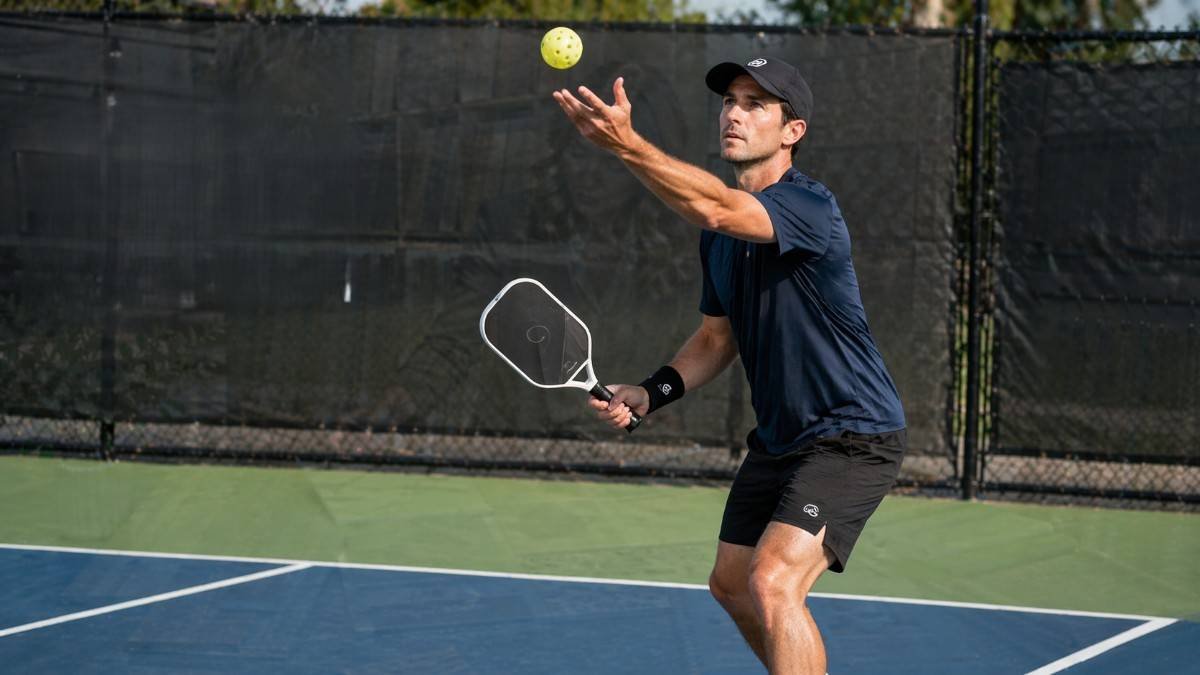
Success in competitive sports isn’t accidental—it’s the result of consistent practice and focused preparation. For anyone competing in pickleball tournaments, training is crucial for boosting performance and building confidence. Whether you’re a beginner or a seasoned pro, structured training sharpens your skills and improves your on-court decision-making.
Proper preparation also reduces stress, allowing you to perform your best under pressure. Understanding how training impacts performance helps you develop stronger habits and achieve better results in competition.
Developing Strong Fundamentals for Reliable Performance
Every successful athlete starts with a solid foundation. In pickleball, mastering fundamentals like serving accuracy, proper footwork, and consistent shot placement is crucial for winning points and controlling rallies. Focused training sessions help build muscle memory, allowing these movements to become natural and automatic, especially during high-pressure moments.
Practicing fundamentals also reduces errors, as players with strong technical skills are more likely to remain calm and confident against tough opponents. By consistently honing these basics, you create a dependable skill set that supports success in every match.
Improving Physical Fitness and Endurance
Physical conditioning is another key part of preparing for competitive play. While pickleball might seem less intense than other sports, matches demand quick movements, fast reactions, and sustained energy. Regular training builds strength, agility, and cardiovascular endurance.
Drills focusing on sprints, lateral movements, and balance help players move efficiently on the court. Better fitness also lowers the risk of injury and helps with faster recovery between games. Endurance is particularly crucial in tournaments where you might play multiple matches in one day. Players who maintain their emotional balance and energy can stay focused and perform consistently from start to finish, giving them a competitive edge.
Enhancing Strategy and Game Awareness
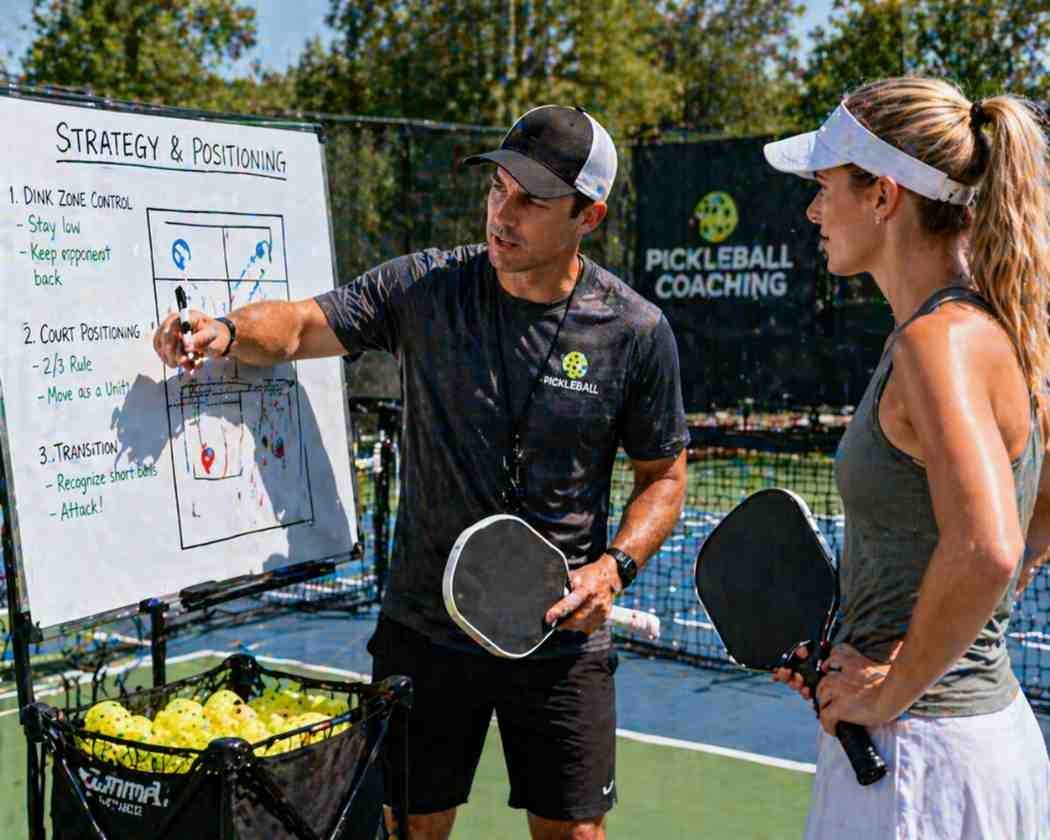
Training isn’t just about physical conditioning; strategic thinking is equally crucial for success in pickleball tournaments. Players who understand game tactics can better anticipate their opponents’ moves and respond more effectively. Coaches often encourage athletes to study different playing styles and practice specific strategies, like knowing when to attack, defend, or control the game’s pace.
Match simulations in practice allow players to experiment with techniques and build confidence in their decision-making. This preparation helps them handle real competition with greater awareness and stay one step ahead during intense rallies.
Building Mental Strength and Confidence
Competitive sports demand strong mental focus. Athletes must remain calm under pressure, recover from mistakes, and maintain confidence against tough opponents. Training helps develop these mental skills through methods like visualization, breathing techniques, and goal setting.
Practicing in challenging conditions also builds comfort in stressful situations. Confidence grows as athletes see their performance improve, with each successful practice reinforcing their belief in their ability to compete at a higher level. This mental preparation builds stability and resilience for competition.
Establishing Consistent Practice Routines
Consistency is key to athletic improvement. Following a regular training schedule helps players make steady progress and ensures all aspects of performance—technique, fitness, and strategy—are addressed. Setting specific goals for each session, such as improving serve accuracy or refining communication with a partner, keeps training focused and productive.
Tracking progress also helps athletes stay motivated by making improvements measurable, which encourages continued effort. A consistent routine builds the discipline necessary for long-term success in competitive sports.
Preparing for Real Tournament Conditions
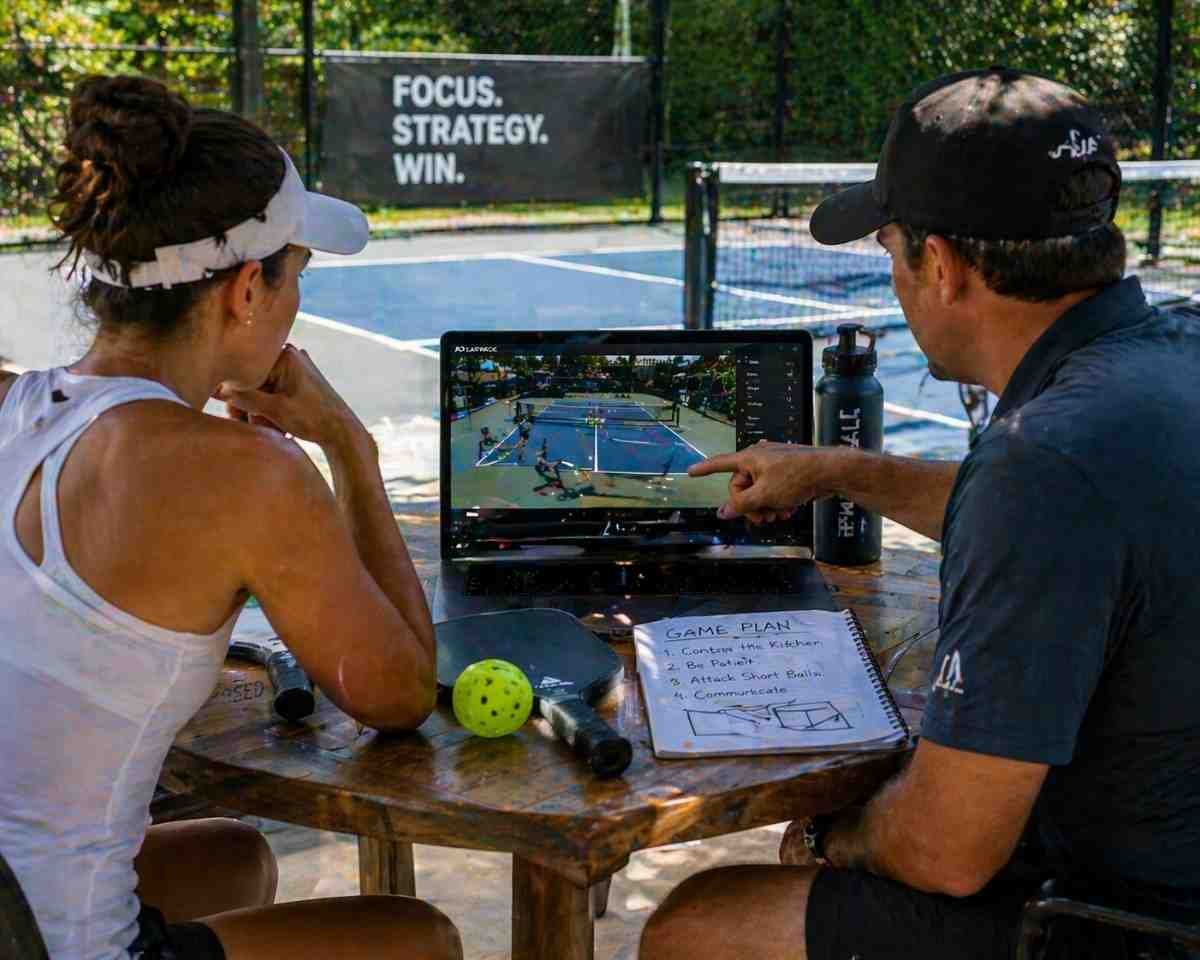
Training is most effective when it mirrors actual competition. Practicing under realistic conditions helps players adapt to the pace and pressure of tournament play, reducing anxiety and improving performance during real matches. Simulated games allow athletes to experience scoring systems, time limits, and opponent strategies they will encounter in organized events.
Players who train in environments that reflect tournament settings often feel more confident and prepared when the competition begins. This familiarity with the game format helps them focus on performance rather than uncertainty.
Supporting Long-Term Growth and Enjoyment of the Sport
Training isn’t just about winning matches; it’s also about personal growth and long-term enjoyment of the sport. Players who invest time in skill development often gain a deeper appreciation for the game. Regular practice fosters discipline, patience, and perseverance—qualities that benefit athletes on and off the court.
As players see how far they’ve progressed, the journey of improvement becomes more rewarding. This dedication keeps them engaged and passionate, creating opportunities for both achievement and personal satisfaction.
Conclusion
Preparation is key to performing well in pickleball tournaments. Training strengthens skills, improves fitness, and builds the confidence needed to compete at the highest level. Athletes who commit to consistent practice are better equipped to handle the challenges of competition, moving more efficiently and maintaining focus throughout each match. Ultimately, success in tournaments reflects the effort invested during training.