




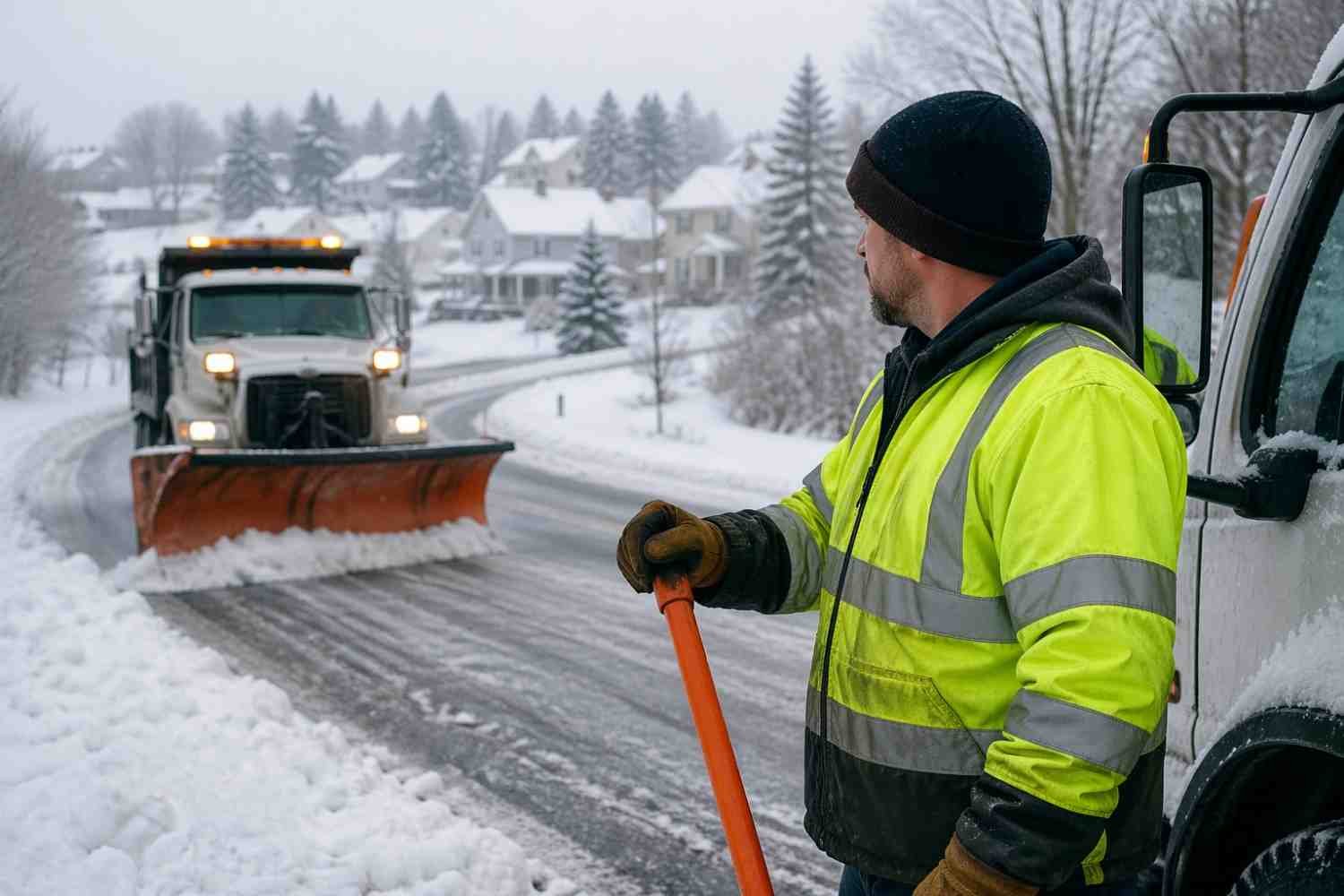
Winter driving presents some of the most demanding and dangerous conditions on the road, and snowplow operators are on the front lines of keeping streets safe and passable. While their work is essential, it also comes with serious risks—from reduced visibility and icy surfaces to long hours behind the wheel in extreme cold. Understanding how to manage these challenges is key to staying safe and effective throughout the season.
The Reality of Snow Plow Operations
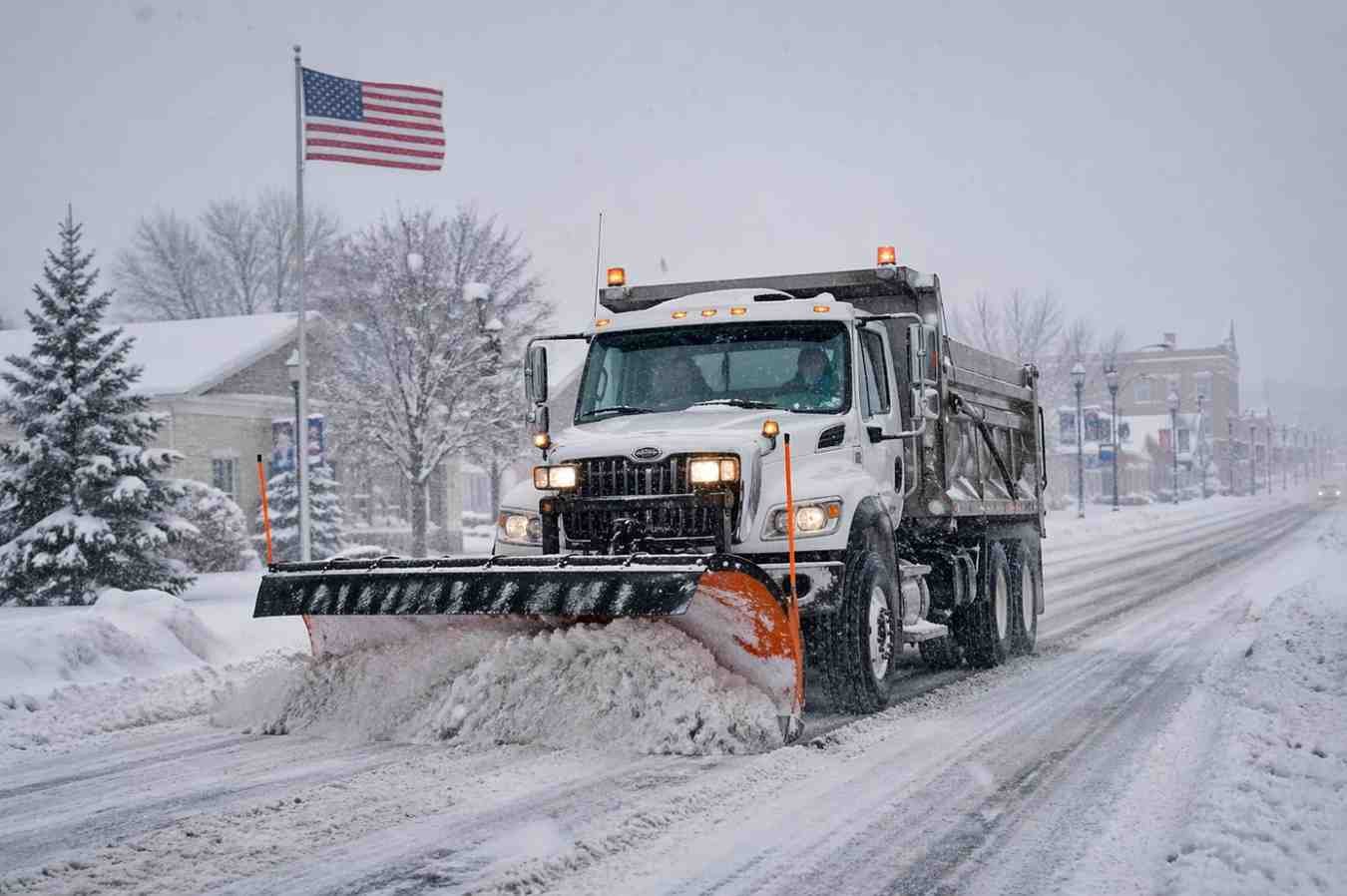
Snow plow drivers often work when most people stay indoors. Blizzard conditions, whiteouts, and freezing temperatures can turn even familiar roads into unpredictable hazards. Visibility can drop in seconds, and road surfaces may shift between packed snow, slush, and black ice without warning.
Because of this, preparation is not optional—it is a critical part of the job. Every shift begins long before the engine starts, with vehicle checks, route planning, and weather monitoring. A well-prepared driver is far less likely to be caught off guard when conditions suddenly worsen.
Vehicle Readiness and Equipment Checks
A snow plow truck is more than just a vehicle—it’s a life-saving tool when properly maintained. Before heading out, operators must inspect plow blades, hydraulic systems, tires, brakes, and fluid levels. Even minor mechanical issues can become major safety risks in freezing temperatures.
Proper lighting is also essential. Many operators rely on enhanced visibility systems such as LED setups and durable light bars for trucks to ensure they can be seen by other drivers and clearly see obstacles in low-light or storm conditions. Clear signaling helps prevent collisions and improves overall road safety during snow removal operations.
Defensive Driving in Extreme Conditions
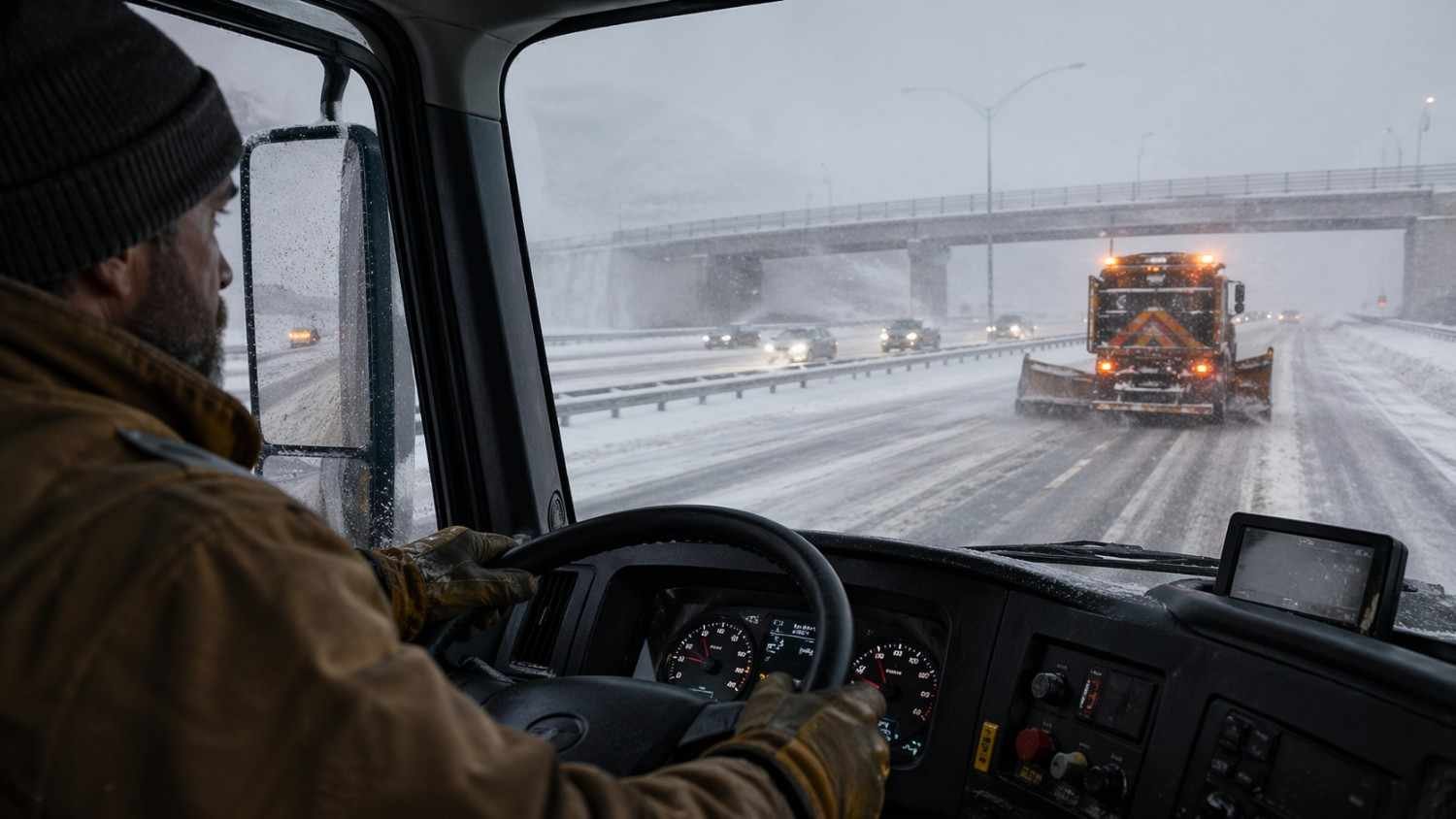
One of the most important skills for snow plow operators is defensive driving. Roads covered in snow or ice require slower speeds, increased following distances, and constant awareness of surroundings. Sudden stops or sharp turns can lead to skidding or loss of control, especially with the added weight of a plow blade. Developing responsible driving habits in these conditions is essential for maintaining control and ensuring safety.
Operators must also anticipate the behavior of other drivers. Many motorists are not accustomed to winter driving and may brake unpredictably or attempt risky maneuvers around plows. Staying alert and assuming that others may make mistakes helps reduce accident risk.
Managing Fatigue and Long Shifts
Snow removal often requires extended shifts that stretch into the night or early morning hours. Fatigue is a major safety concern, as it reduces reaction time and decision-making ability. Regular breaks, hydration, and proper rest before shifts are essential for maintaining alertness.
Companies should also ensure fair scheduling practices so operators are not overworked during heavy snowfall periods. A well-rested driver is significantly less likely to be involved in an incident.
Communication and Situational Awareness
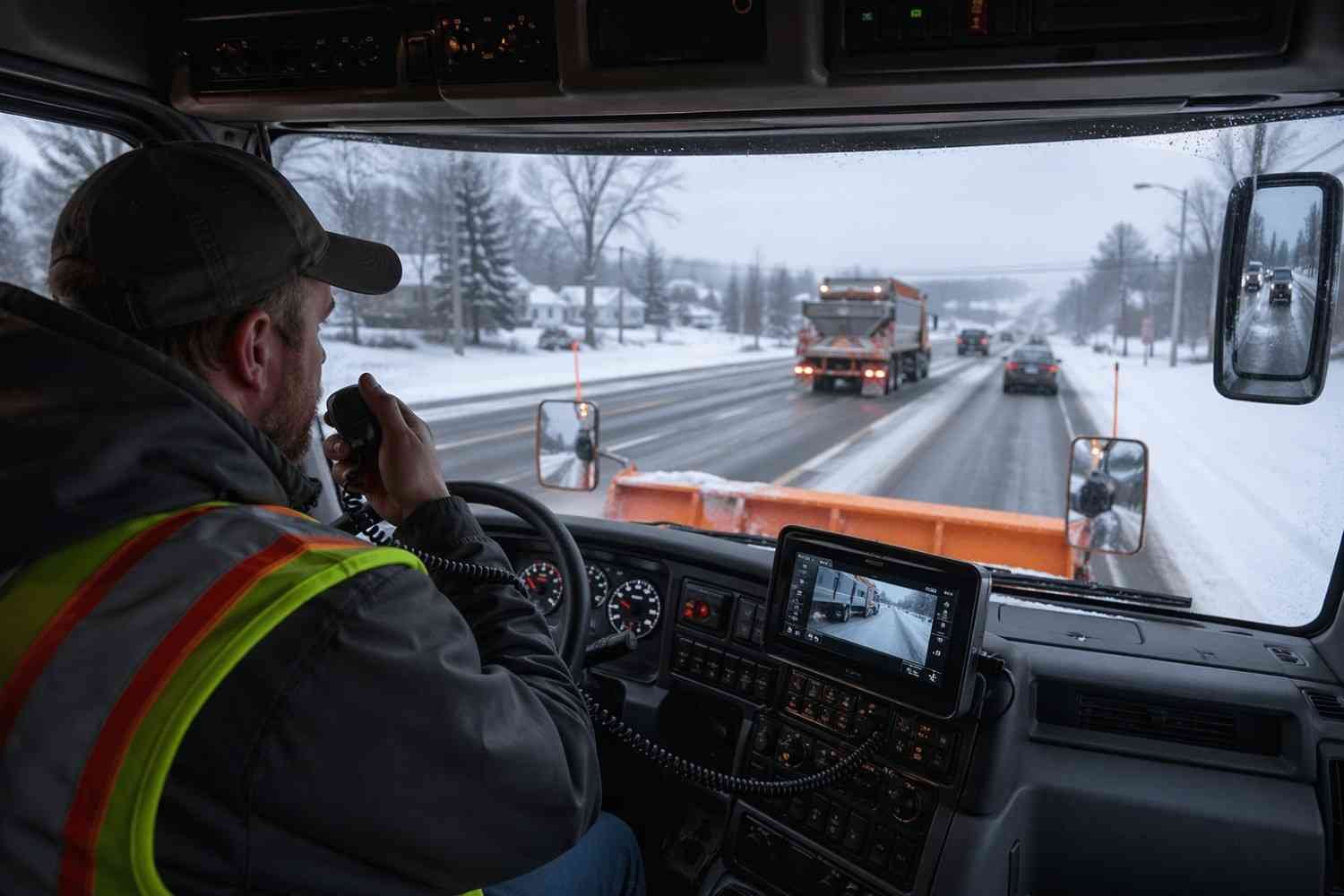
Effective communication between dispatch teams and drivers is vital. Weather conditions can change rapidly, and updated route information can make a big difference in safety and efficiency. Two-way radios, GPS systems, and real-time weather tracking tools help operators stay informed and adjust their routes as needed.
Situational awareness also extends to pedestrians, parked vehicles, and roadside obstacles. Snowbanks can hide hazards, and visibility issues can make it difficult to see people working near road edges.
Personal Protective Practices
Safety doesn’t stop at the vehicle. Snow plow drivers should wear high-visibility clothing when exiting the truck and ensure they are properly dressed for freezing temperatures. Frostbite and hypothermia are real risks during prolonged exposure to winter conditions.
Proper footwear with strong grip is also important when stepping on icy surfaces. Slips and falls are among the most common injuries in snow removal work.
Final Thoughts
Snow plow operators play a crucial role in keeping communities moving during winter storms. Their work requires skill, patience, and constant attention to safety. By maintaining equipment, driving defensively, managing fatigue, and staying aware of changing conditions, operators can significantly reduce risks on the road.
Winter will always be unpredictable, but with the right practices and preparation, snow plow drivers can navigate it safely and effectively—ensuring that roads remain clear and communities stay connected even in the harshest weather.