




Missing teeth don’t just affect your smile—they can impact how you eat, speak, and feel. Dental implants are often promoted as a long-term solution, but are they truly permanent? Understanding how implants work, what affects their lifespan, and how to care for them can help set realistic expectations. This article will explore whether dental implants are a permanent solution and explain the factors contributing to their success.
What Dental Implants Are Made Of
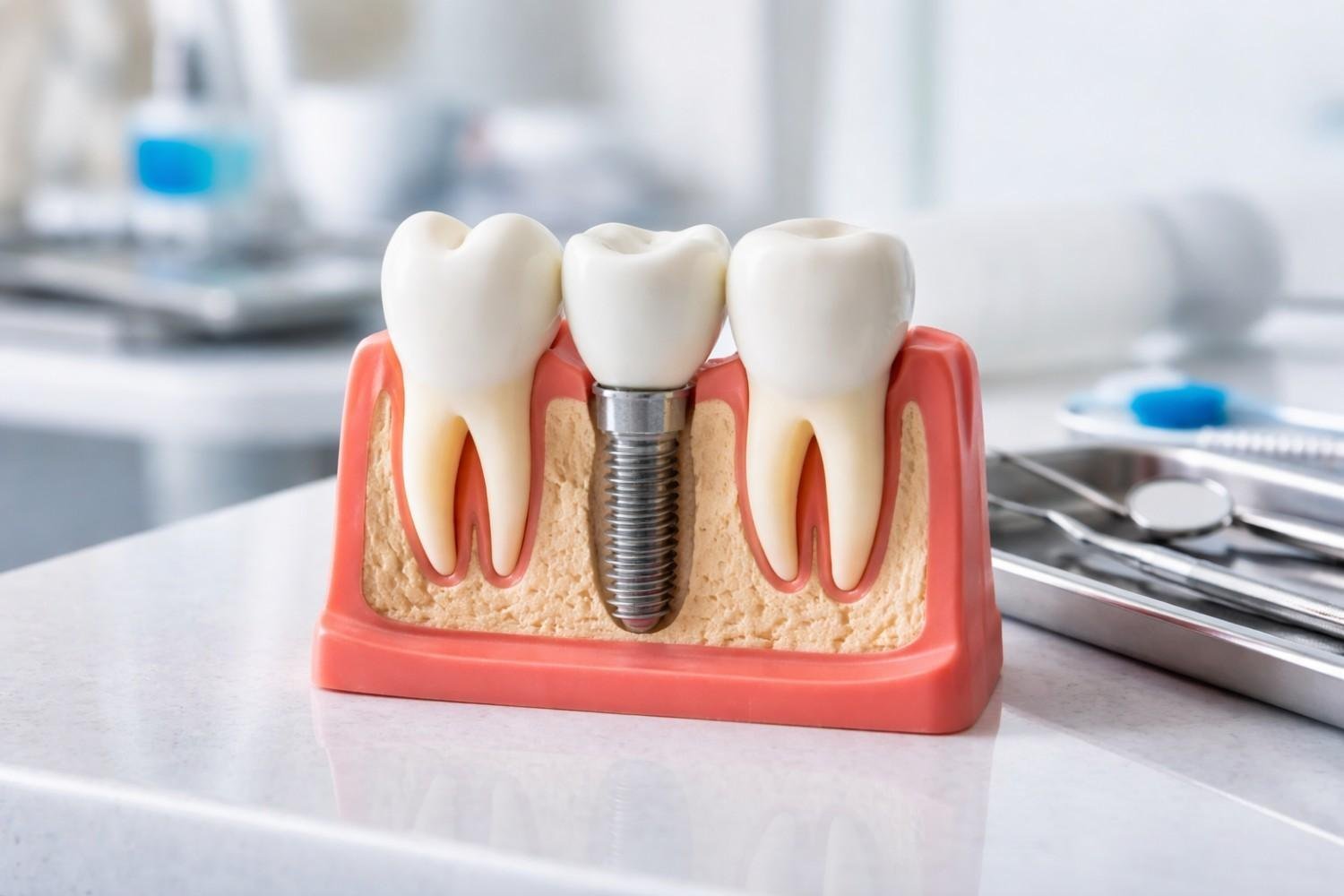
A dental implant is a small post, typically made from a biocompatible material, that is surgically placed into the jawbone to replace a missing tooth root. Over time, the bone fuses with the implant, creating a strong foundation. Once this process is complete, a custom-made crown is attached to the implant.
This crown is shaped and colored to match the surrounding teeth for a natural look. Because the implant replaces the root, it helps preserve jawbone structure and prevent the bone loss that commonly occurs after losing a tooth. This comprehensive design sets implants apart from other tooth replacement options.
What Makes Dental Implants Long-Lasting
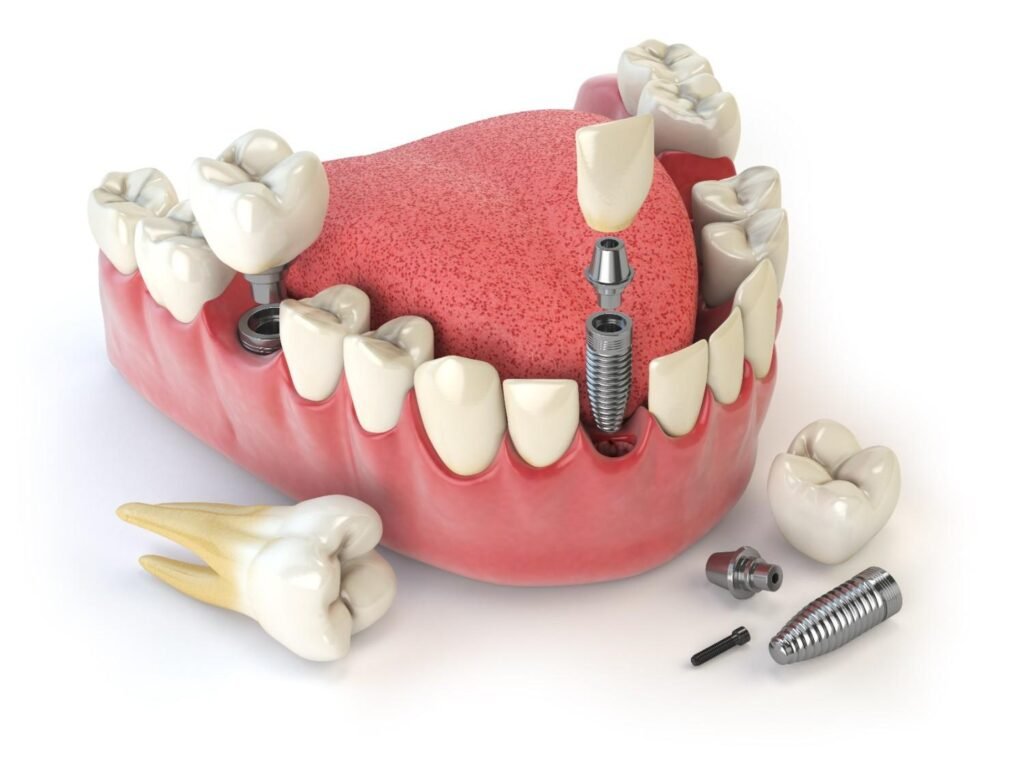
Dental implants are highly durable; with proper placement and maintenance, the implant post can last for decades or even a lifetime. While the visible crown may eventually need replacement due to normal wear, the underlying foundation remains secure. This longevity is supported by strong bone health, precise placement, and consistent oral hygiene.
By anchoring directly into the jawbone, implants provide unmatched stability compared to other restorative options. Many seeking dental implants in South Jordan choose this solution for its proven strength and reliability.
Are Dental Implants Truly Permanent
While dental implants are designed to be a long-term solution, their permanence depends on your care and specific health circumstances. The titanium implant post is built for durability, but it still requires diligent maintenance to succeed. Gum health is critical; implants rely on healthy surrounding tissue for support.
Poor oral hygiene can cause inflammation or infection, which compromises stability over time. Additionally, lifestyle factors like smoking, unmanaged medical conditions, and excessive physical pressure can shorten an implant’s lifespan. However, with proper care and routine checkups, implants remain one of the most durable tooth replacement options available.
How Oral Hygiene Affects Implant Longevity

While dental implants can’t decay like natural teeth, the surrounding gum and bone are still vulnerable to plaque and bacteria. Daily brushing, flossing, and regular dental checkups are crucial for protecting the implant and its supporting tissue.
Poor oral hygiene can lead to gum disease around the implant, weakening its foundation. Because this condition can develop without obvious symptoms, consistent maintenance is vital for ensuring your implants remain comfortable, effective, and successful long-term.
The Role of Bone Health and Healing
Strong jawbone support is essential for implant stability. Before the procedure, your dentist will evaluate your bone density to ensure the implant can fuse properly. If your bone levels are adequate, the implant will integrate securely and provide lasting support. Healing time is also crucial.
Allowing the implant to fully bond with the bone before placing the crown reduces the risk of complications. Rushing this process can compromise the final result. Proper healing is key to the long-term success and durability of your implant.
Comparing Implants to Other Tooth Replacement Options
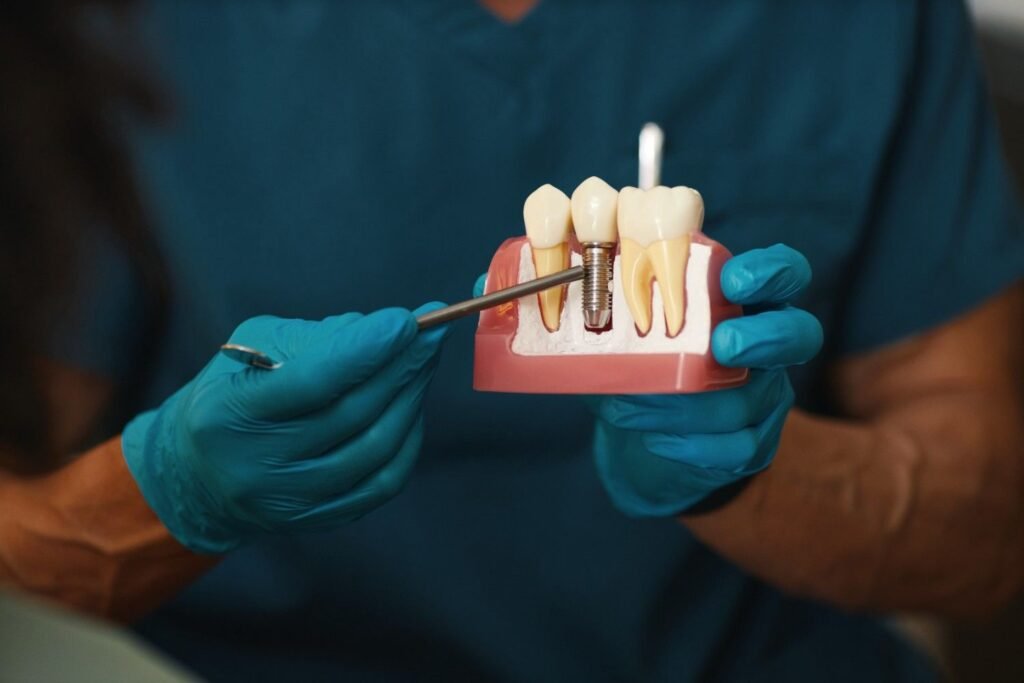
Dental implants are often preferred over other options because they address both the tooth and its root, providing a more permanent solution. While alternatives may improve appearance, they don’t prevent bone loss as effectively. Implants are self-supporting and don’t depend on neighboring teeth, which helps protect surrounding teeth and maintain proper bite alignment. Their stability and structural advantages make implants an excellent choice for patients seeking a durable, long-term solution.
Long-Term Comfort and Function
Implants feel remarkably natural, which is why they are often considered a permanent solution. Once fully healed, they function exactly like natural teeth—making eating, speaking, and smiling feel normal and comfortable. Unlike other options, there is no need for special adhesives or removal for cleaning. This ease of use boosts long-term satisfaction and confidence, allowing a well-placed implant to become a seamless part of daily life.
Conclusion
Dental implants are designed to be a durable, long-lasting solution for missing teeth. While no dental treatment is completely maintenance-free, implants come close with proper care. Their ability to integrate with the jawbone, preserve facial structure, and restore function makes them one of the most reliable options available. Understanding how implants work and what affects their lifespan can help you make a confident decision. With the right care, dental implants can provide lasting comfort, stability, and peace of mind.