




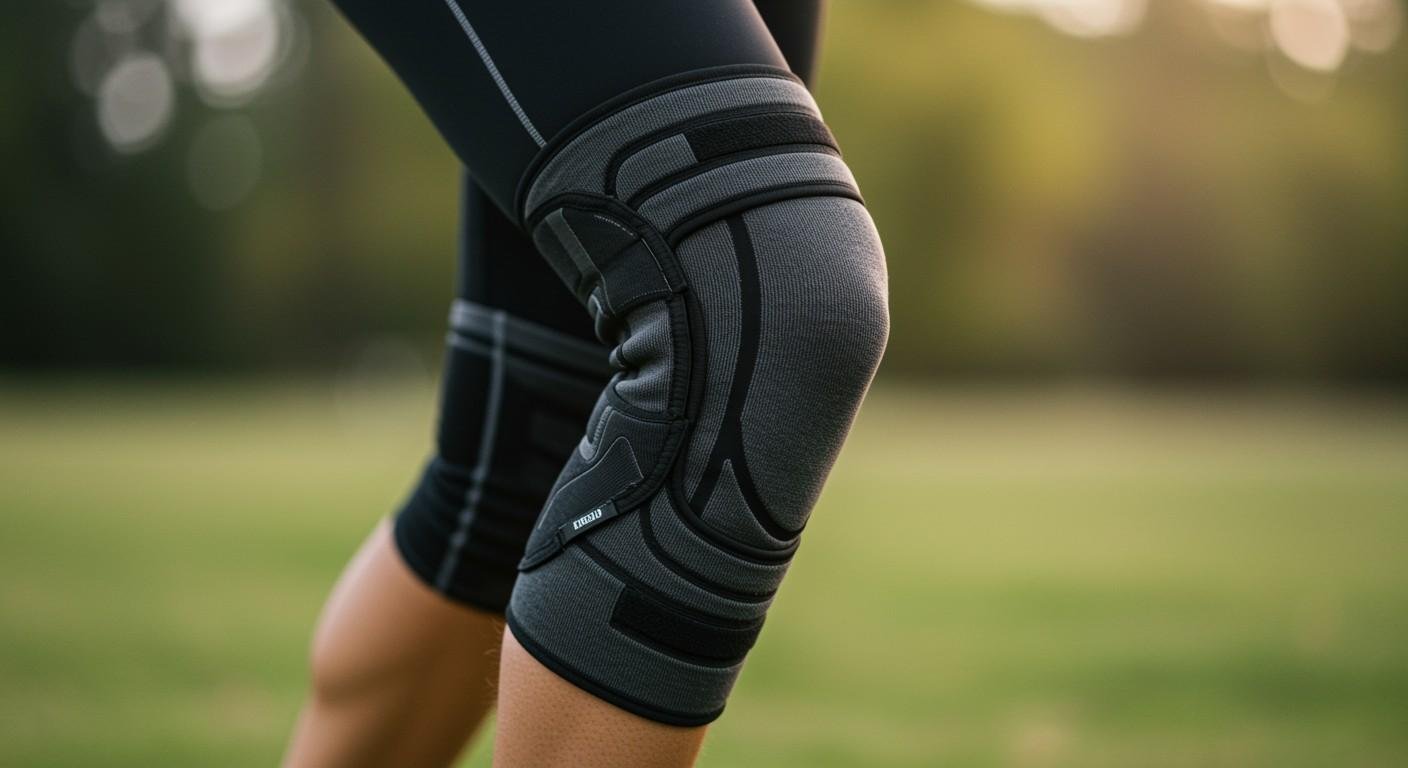
The lifeblood of an athlete is their physical capability, the fine-tuned machinery of muscles, bones, and tendons working in perfect harmony to achieve peak performance. One essential joint in this intricate system, notorious for its vulnerability to injury, is the knee. For athletes, ensuring knee health is paramount, not just for the sake of longevity in their sporting career, but for maintaining their everyday quality of life.
The Critical Role of Knee Support
The knee is a complex joint, and it’s susceptible to various types of injuries and conditions, such as ligament sprains, meniscal tears, or tendinitis. These injuries can be caused by a sudden trauma or by overuse and repetitive stress over time. Regardless of the cause, knee injuries can severely impact an athlete’s performance and could potentially sideline them for significant periods. This is where knee support becomes invaluable.
Proper knee support for sports can play an essential role in both preventing knee injuries and managing existing conditions. Supports and braces can provide stability, reduce pain, improve proprioception, and prevent potentially dangerous ranges of motion, especially in high-impact and contact sports.
Understanding Knee Support Types
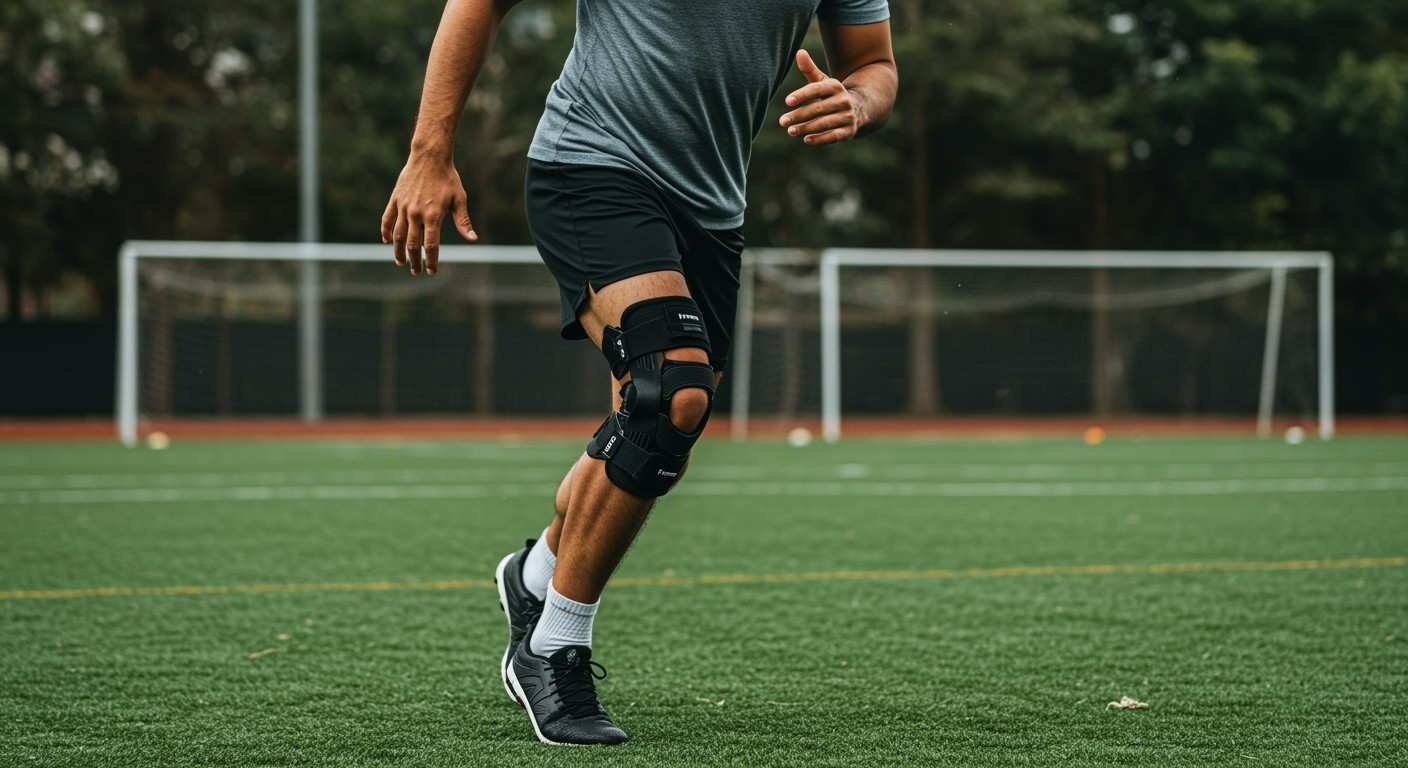
Different types of knee supports cater to various needs and conditions. Sleeves are often used for mild support and warmth. Straps can help with patellar tracking and tendinitis. Hinged braces offer rigid support and are useful post-injury or for chronic instability. Wraparounds are versatile and can cater to a range of issues, offering adjustable support levels.
Selecting the Right Knee Support
Choosing the right knee support is not a one-size-fits-all formula. Factors to consider include the nature and severity of a previous injury, the type of sport, and personal comfort preferences. Ample research, consultation with sports medicine professionals, and considering trusted brands can guide an athlete towards the ideal knee support.
When to Use Knee Supports
While knee supports should not be used as a crutch to ignore underlying issues, they are excellent for specific circumstances. They can be used during recovery from an injury, as a prophylactic measure during activities known to put a strain on the knee, or consistently by those with weak knees to prevent injuries from occurring in the first place.
Integrating Knee Support into Training
For the athlete, incorporating knee supports into their training regime requires a balanced approach. It shouldn’t impede the natural strengthening of the muscles around the knee but should enhance stability during demanding physical activities. Consistent strength training, proper warm-up routines, and correct technique are also crucial for injury prevention.
Common Myths About Knee Supports
There is a lingering myth that regular use of knee supports makes the muscles around the knee weak. On the contrary, when used correctly, knee supports aid in the safe progression of training and can help athletes engage in rehabilitation exercises effectively.
The Impact of Knee Injuries on Athletic Careers
Knee injuries can have a profound impact on an athlete’s career. They can result in significant time away from the sport, costly medical treatments, and, in severe cases, irreversible damage that can lead to an early retirement. Prevention and management using knee supports thus become integral components to a sustainable athletic venture.
Maintaining Knee Health Beyond Sports
While the focus for athletes is often performance-centric, it is essential to note that knee health extends beyond sports. An injury can affect daily activities, hamper mobility, and impinge on one’s overall lifestyle. Knee support used in sporting contexts can also help in everyday scenarios, particularly for those with a history of knee injuries.
Embracing Technology in Knee Support
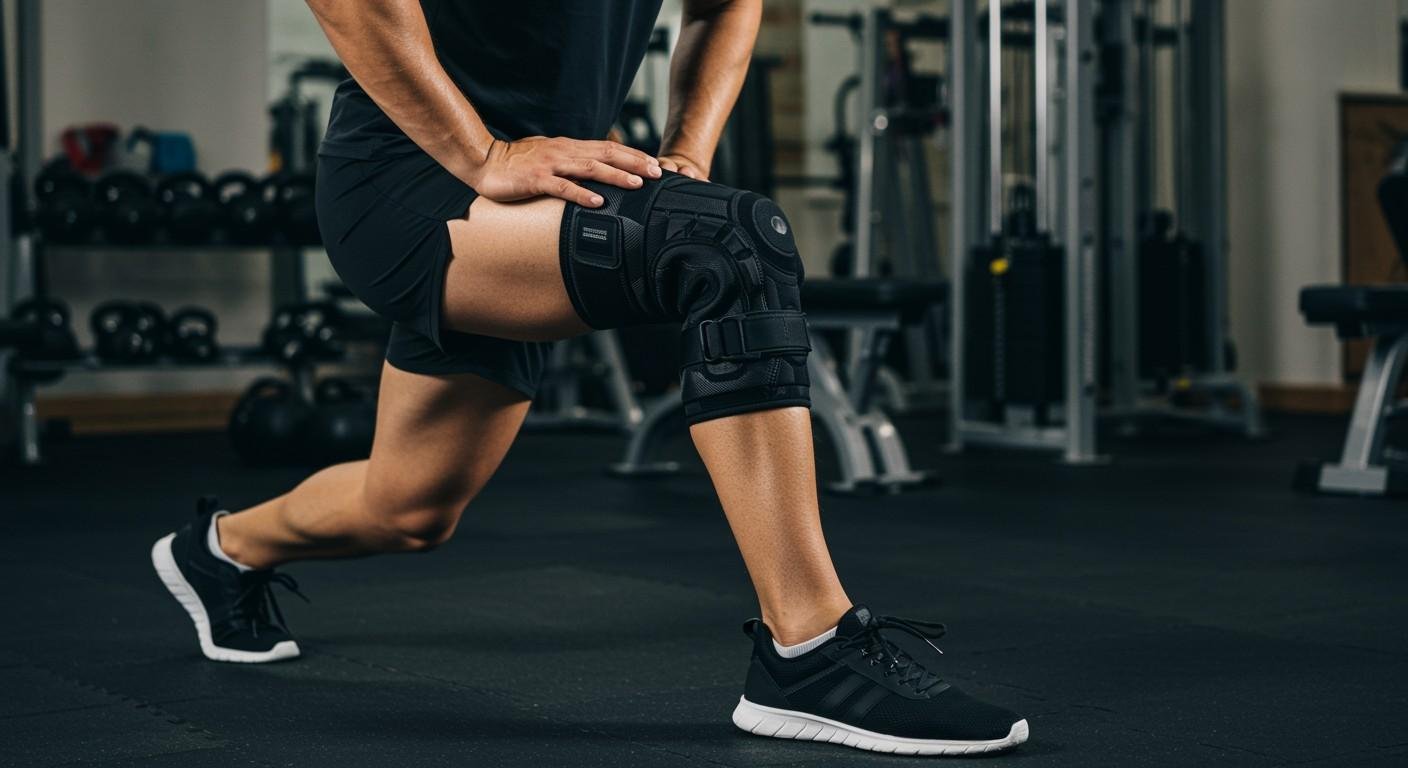
Advances in sports science and technology have led to the evolution of knee supports over the years. From simplistic compression sleeves to the integration of smart technology capable of providing data on the joint’s status, the options have diversified. These technological advancements creatively merge injury prevention and performance enhancement, providing valuable tools for the modern athlete.
Leveraging Knee Support for Optimal Performance
Ultimately, the goal of utilizing knee support is to facilitate optimal performance. It allows athletes to train with confidence, push their limits safely, and reduce the risk of injuries that could thwart their progression. With careful selection and proper use, knee supports become not just protective gear but a strategic asset in an athlete’s performance toolkit.
Conclusion
For athletes across the spectrum of sports, the health and resilience of their knees can be the differential factor in a remarkable career versus one marred by injury. Seeking out and utilising the best knee support available is not just a protective strategy—it’s an investment in their athletic future and wellbeing. As the saying goes, ‘prevention is better than cure,’ and when it comes to the complexities of knee health in sports, this adage holds truer than ever.
By harnessing the appropriate knee supports, athletes can look forward to optimised performance, a reduced risk of injury, and the ability to engage fully in the sports they love. In essence, knee supports are more than just an accessory; they’re an essential part of an athlete’s repertoire, safeguarding their aspirations and powering their journey to sporting excellence.