




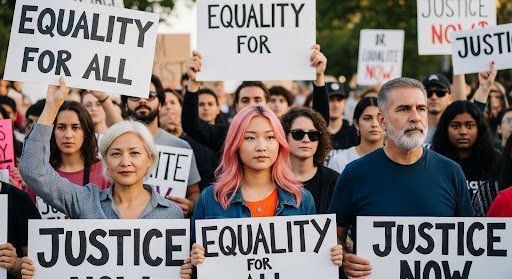
Let me tell you something—a few years ago, I felt helpless. I watched injustice unfold on the news, read about it on social media, and felt an overwhelming sense of frustration. I wanted to help, but I had no idea where to start. Sound familiar?
Many of us have been there, unsure how to transform our anger, confusion, or sadness into meaningful action. That’s where we need to change the narrative. Supporting your community during injustice isn’t just about feeling bad; it’s about rolling up your sleeves and getting involved. So, how do you take that first step? Let’s break it down together.
What Does It Mean to Support Your Community During Injustice?
Injustice isn’t always obvious. It’s not just big protests, dramatic court cases, or viral videos. It’s the systemic issues that affect our neighbors, families, and even ourselves in ways we may not always see. Supporting your community during these times isn’t just about making noise—it’s about making a difference.
But, how do you make an impact without becoming overwhelmed? It starts with understanding that every small act of kindness, every word of support, and every effort to amplify voices can contribute to creating change. Whether it’s speaking out, volunteering, donating, or simply being a listening ear, there are countless ways to support.

How Can You Use Your Voice to Amplify Those Who Need It?
One of the most powerful tools we have during times of injustice is our voice. When you speak out, you aren’t just standing up for yourself—you’re standing in solidarity with those who need it most.
Speak Up, Even When It’s Uncomfortable
We all know it’s easy to ignore uncomfortable truths, but when you speak up about an injustice, you are making a statement. Start by educating yourself on the issues that matter to your community. Read books, listen to podcasts, watch documentaries, or attend local events where people are speaking out. Knowledge is the first step to empowerment.
Once you feel informed, begin using your voice in ways that can help others hear what needs to be said. Share articles, post on social media, or engage in community dialogues. It’s not about being loud or controversial—it’s about ensuring that the voices of those experiencing injustice are amplified and heard.
Elevate the Voices of the Marginalized
Supporting others during times of injustice means stepping aside sometimes and allowing those directly impacted to speak. Share their stories, their struggles, and their calls for action. Use your platform, no matter how big or small, to help lift them up. If you’re in a position of power—whether it’s through your job, social circle, or community—you can open doors for others who may not have the same opportunities.
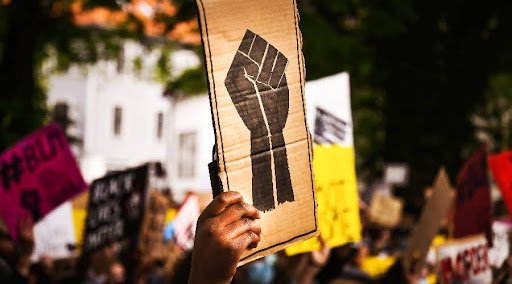
How Can You Get Involved in Tangible Actions?
Supporting your community isn’t always about being an armchair activist. Sometimes, the most effective way to make an impact is to show up and do the work. Here’s how:
Volunteer Your Time
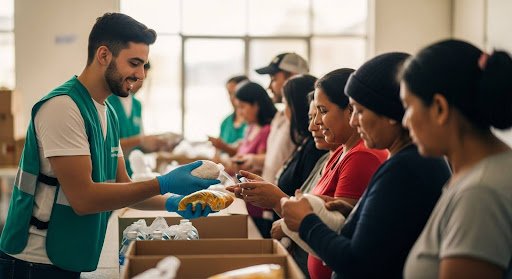
One of the best ways to support your community during injustice is to volunteer your time. Whether it’s at a local organization, a protest, or helping out with community projects, your physical presence makes a big difference. Many nonprofits and grassroots organizations rely heavily on volunteers to carry out their missions. By lending a hand, you’re not just helping them with their work—you’re showing the community that they aren’t alone in their struggles.
Donate and Fundraise
Injustice often leaves communities economically strained. If you’re in a position to do so, consider donating to causes that support those impacted by injustice. Look for organizations, legal defense funds, and relief programs that directly support individuals and communities. Even if you can’t contribute financially, organizing fundraisers in your community or online is another great way to show support.

Support Local Businesses and Artists
During times of injustice, many small businesses and artists are often hit the hardest. Make a conscious effort to support local, especially businesses owned by marginalized communities. Buy from them, share their work, and encourage others to do the same. Your dollars are a powerful tool for showing support and creating economic opportunities for those who need it most.
How to Make the Most of Your Actions in Supporting Your Community
It’s one thing to want to help—it’s another thing to take concrete steps to make that help count. Here’s how you can make sure your efforts are as impactful as possible:
Stay Consistent
Being an ally or advocate for your community during injustice isn’t a “one-and-done” deal. It’s about showing up repeatedly. Whether you’re consistently donating, volunteering, or speaking out, the key to being effective is consistency. Injustice doesn’t go away overnight, so neither can our efforts to combat it.
Educate Yourself and Keep Learning
You’re not going to have all the answers. No one does. But what matters is the willingness to keep learning and growing. Take every opportunity to educate yourself on the issues your community faces, and reflect on how your actions can evolve to be even more supportive. The more you know, the more effective you can be in your support.

Build Community
When we talk about supporting your community during injustice, we’re talking about creating a network of care. Find like-minded individuals who share your passion for justice, and build a community that will support each other. Work together to create larger, more lasting impacts. Whether it’s starting a discussion group, volunteering with others, or organizing events, working with others makes the work lighter and the impact stronger.
FAQ: Answers to Your Burning Questions About Supporting Your Community
How do I know which causes to support during injustice?
Start by listening to the people who are directly affected by the injustice. Do your research, and pay attention to the causes they prioritize. It’s important to ensure your support aligns with the needs of those most impacted, and not just your own personal beliefs or convenience.
What if I don’t have time to volunteer?
Even if you’re busy, you can still contribute by supporting in other ways. Donate money, amplify the voices of those affected on social media, or organize a fundraiser. Small acts of support are still valuable, and even the smallest actions can make a big difference when they add up.
How can I handle feeling overwhelmed or helpless during times of injustice?
It’s normal to feel overwhelmed when injustice seems rampant, but remember—every small action counts. Focus on what you can control, and take it one step at a time. And always reach out for support from friends, family, or like-minded individuals. You don’t have to carry the weight of the world alone.
Can I make a difference if I’m not an expert on social justice issues?
Absolutely. The most important thing is your willingness to learn and act. You don’t have to be an expert to support those in need; you just have to be willing to educate yourself, listen, and take steps toward change. Your actions matter.
Ready to Make a Real Change? Here’s How
Supporting your community during injustice may not be easy, but it’s one of the most impactful things you can do for yourself and others. It’s about showing up, amplifying voices, and making real, tangible changes. Whether it’s volunteering, speaking out, or donating, your actions—however small—add up.
Take action, stay informed, and most importantly—never stop caring. Because when we support each other, we all rise.