



If you’re new to CBD or have been dipping your toes into the wellness world, you’ve probably wondered, “What is the most effective way to take CBD?” Well, let me start by sharing a little confession.
When I first tried CBD, I didn’t know whether to stick it under my tongue, pop a gummy, or vape it (spoiler alert: I ended up trying all of them). But after years of research and countless personal experiences, I’ve discovered the nuances that can really make or break your CBD routine. CBD has become a wellness staple for so many—whether you’re looking to ease stress, support better sleep, or help with chronic pain, it’s pretty much everywhere.
But not all CBD products are created equal, and the method you choose plays a big role in how effective it is for your specific needs. Let’s break down the most popular methods, so you can decide which one is right for you.
How Does Bioavailability Affect Your CBD Experience?

Before we dive into the methods, let’s talk about bioavailability. Sounds fancy, but it’s simply the proportion of CBD that actually enters your bloodstream and does its job. Higher bioavailability means more CBD is absorbed by your body, which translates into a faster and more potent effect.
Different methods of consuming CBD have varying bioavailability, which is why your choice matters. Ready? Here’s how each method stacks up.
What’s the Best Method for Quick Relief? Inhalation (Vaping or Smoking)
If you’re someone who needs immediate relief, whether for anxiety, pain, or insomnia, inhalation is the fastest route. Vaping or smoking CBD is all about getting it straight into your lungs, where it’s rapidly absorbed into the bloodstream. It’s like a VIP express pass for your body.
- Bioavailability: Up to 56%
- Onset: Within minutes
- Duration: Shortest, typically 2-4 hours
- Best For: Acute needs like pain or stress relief
- Downside: It may not be for everyone, especially considering potential lung irritation or other health concerns related to smoking or vaping.
While vaping offers a quick fix, it’s worth noting that the risks of inhaling smoke or vapor (think: lung injury and respiratory issues) should make you think twice.
But if you’re okay with the trade-off for fast relief, this method can work wonders in a pinch.
How About a Method That’s Less Risky But Still Effective? Sublingual (Under the Tongue)
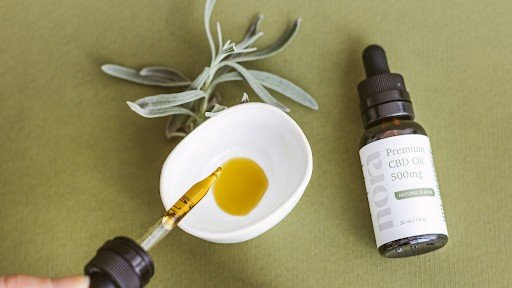
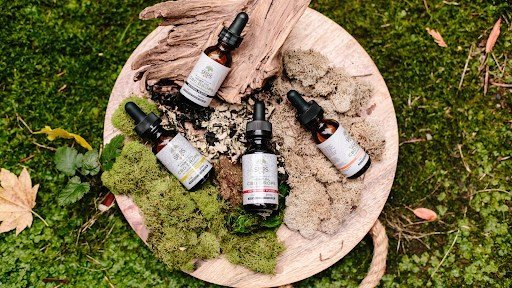
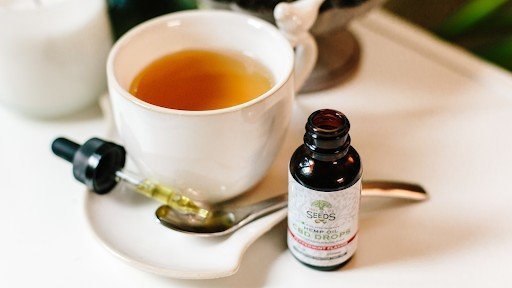
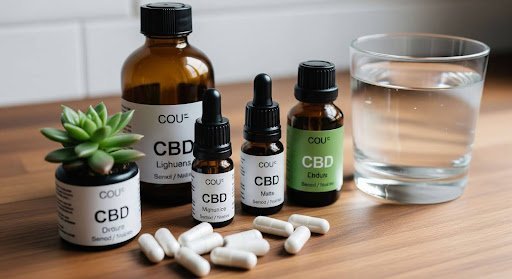
If you’re looking for something less risky than vaping, sublingual CBD (tinctures or oils placed under the tongue) is the way to go. I’ve personally found this method to be both effective and hassle-free.
By allowing the CBD to absorb through the mucous membranes in your mouth, it bypasses the digestive system and enters the bloodstream directly.
- Bioavailability: 13-35%
- Onset: Moderate, usually within 15-30 minutes
- Duration: 6-8 hours
- Best For: Daily relief for anxiety, stress, or sleep problems
- Downside: The taste of CBD oil can be an issue for some people—hello, earthy aftertaste!
This method is perfect if you want something discreet and fast-acting, with effects that last longer than inhalation. It’s a great balance of quick onset without the risks that come with inhaling smoke or vapor.
What’s the Most Effective Way to Take CBD for Long-Lasting Effects? Edibles (Capsules, Gummies, Drinks)
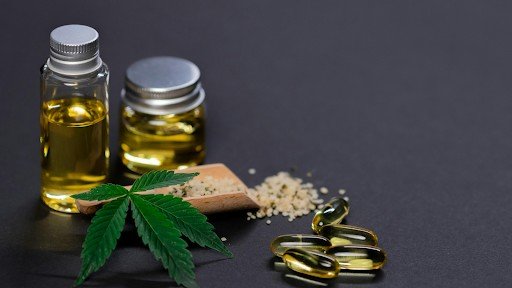
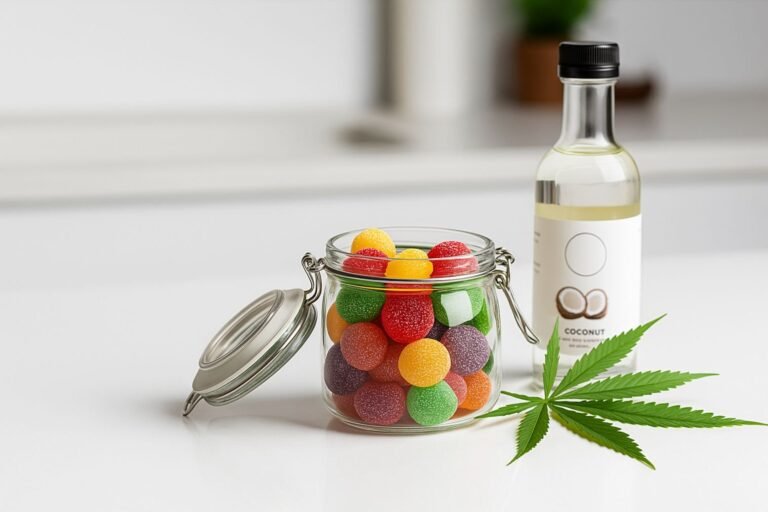
Let’s be honest: edibles are the easiest and most fun way to consume CBD. They’re tasty, convenient, and familiar—who doesn’t love a good gummy?
But while edibles offer great convenience, they do have a few quirks to consider, especially if you’re impatient or need a quick effect.
- Bioavailability: 4-20%
- Onset: Slow, typically 30 minutes to 2 hours
- Duration: 6-12 hours
- Best For: Long-lasting, steady relief throughout the day
- Downside: Delayed onset due to digestion (no quick fixes here)
One thing I’ve learned over the years is that taking CBD with a fatty meal can boost its absorption by up to four times. So, if you’re popping an edible, consider enjoying it with a healthy fat source (think: avocado, nuts, or coconut oil) for better bioavailability.
Here’s a table summarizing the different CBD consumption methods for easy reference:
| Method | Bioavailability | Onset of Effects | Duration of Effects | Best For | Downside |
| Inhalation (Vaping/Smoking) | Up to 56% | Fastest, within minutes | Shortest, 2-4 hours | Acute relief for anxiety, pain, or stress | Health risks associated with vaping/smoking |
| Sublingual (Under the Tongue) | 13-35% | Moderate, 15-30 minutes | 6-8 hours | Daily relief for anxiety, stress, sleep | Taste of CBD oil may be unpleasant for some |
| Oral Ingestion (Capsules, Edibles, Drinks) | 4-20% | Slow, 30 minutes to 2 hours | 6-12 hours | Long-lasting relief, easy to dose | Slower onset, lower bioavailability, digestion process |
| Topicals (Creams, Balms, Patches) | Targeted, localized effects | 25-45 minutes | Several hours | Localized relief for pain, inflammation, skin issues | Not suitable for systemic effects like anxiety or sleep |
Can You Use CBD Locally? Topicals (Creams, Balms, Patches)
Let’s say you’re dealing with some aches and pains, but don’t need the CBD to go through your entire system.
This is where topical CBD comes into play. These products are applied directly to the skin, and they’re especially effective for localized relief (think: sore muscles, joint pain, or skin conditions).
- Bioavailability: Targeted, localized effect
- Onset: Varies, typically 25-45 minutes
- Duration: Several hours
- Best For: Localized pain, inflammation, or skin issues
- Downside: Not ideal for systemic effects like anxiety or sleep
Topicals are fantastic for those who want to focus on a specific problem area, but they’re not going to help with more widespread issues like stress or insomnia.
If you’ve got muscle soreness or joint discomfort, however, topicals can be a game-changer.
What is the Best Way to Take CBD for Me? It All Depends on Your Needs!
It’s no secret that there’s no one-size-fits-all when it comes to CBD.
Whether you need quick relief, long-lasting benefits, or localized treatment, the method you choose should align with what you’re trying to achieve.
So, whether you prefer the fast-acting nature of inhalation, the more controlled experience of sublingual use, the convenience of edibles, or the targeted relief of topicals—it all boils down to what works best for your lifestyle.
FAQ: Real Users Ask!
1. Can CBD make you feel high?
Nope, CBD won’t get you high. Unlike THC, CBD is non-psychoactive, so you won’t experience that “high” feeling. Instead, people report feeling relaxed, less stressed, or even pain-free.
2. How much CBD should I take?
Start small! I recommend beginning with a low dose (like 5-10 mg) and slowly increasing it until you find the amount that works for you. Every body is different, so what works for someone else might not work for you right away.
3. What’s the difference between CBD and THC?
CBD and THC are both compounds from the cannabis plant, but they affect the body in different ways. THC is the psychoactive compound that makes you feel high, while CBD works on receptors that promote relaxation and relief without the mind-altering effects.
4. How long does it take for CBD to work?
It depends on the method. Inhalation works in minutes, sublingual takes around 15-30 minutes, edibles take about 30 minutes to 2 hours, and topicals can take anywhere from 25-45 minutes to start working.
The CBD Secret: Listen to Your Body
The bottom line is that the most effective way to take CBD is the one that fits your needs and lifestyle.
Listen to your body, experiment with different methods, and see what works best for you. And remember: as with any wellness routine, always start low and go slow. I hope this guide helps you navigate the CBD world with more confidence and less confusion. If you’re still unsure, consult with a healthcare provider, especially if you’re managing any health conditions.
Here’s to finding your perfect CBD fit—one drop, gummy, or topical at a time!