



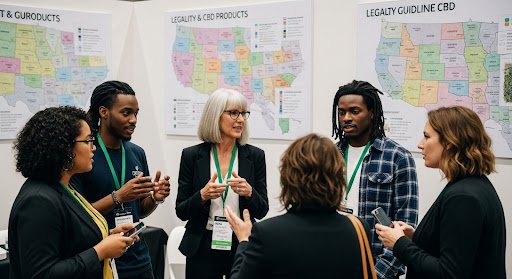
Let’s get personal for a second. A few years ago, I attended a wellness expo where CBD products were the star of the show. People were buzzing about its potential benefits, but then, someone asked, “But is it legal where I live?” The truth hit me—CBD might be everywhere, but the legality of it is far from universal.
The confusion around whether CBD is legal or banned in certain states is real, and it’s something I get asked about all the time. While the 2018 Farm Bill legalized hemp-derived CBD at the federal level, individual states still have the power to regulate its use. So, what does this mean for you? It means that CBD’s legal status can vary widely depending on where you are in the United States. Some states have fully embraced CBD, while others still have strict laws limiting its sale or use.
If you’ve been wondering, “Is CBD legal in my state?” let’s break it down by looking at where it’s allowed and where it’s restricted, so you can feel confident in your CBD purchase.
What Makes CBD Legal or Illegal?
Before we jump into the specifics of each state, let’s review the basics. CBD (cannabidiol) is a compound found in cannabis plants. It’s most commonly extracted from hemp, which contains minimal amounts of THC (the psychoactive compound in marijuana). Thanks to the Farm Bill passed in 2018, CBD products derived from hemp and containing less than 0.3% THC are legal on a federal level.
However, individual states have the ability to regulate cannabis products as they see fit. This means while hemp-derived CBD is legal federally, some states have stricter rules regarding its sale, use, and distribution. And, in some cases, states have outright banned certain CBD products. So let’s take a closer look at how things stand across the U.S.
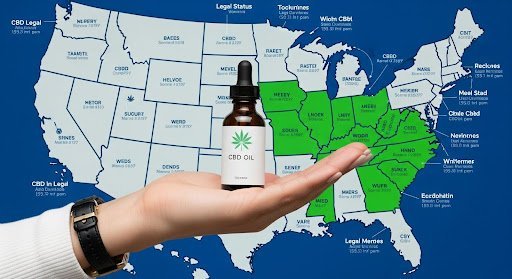
 Credit: Gemini
Which States Have Fully Legalized CBD?
In many states, CBD is as easy to find as your favorite vitamin supplement. But there are nuances, depending on local laws and regulations. Here are some states where CBD is widely legal:
California
California was one of the first states to embrace cannabis legalization, and it didn’t hesitate to make CBD legal as well. Hemp-derived CBD products are legal for both recreational and medicinal use. Whether it’s tinctures, edibles, or topicals, you can find CBD in various forms with ease in California.
Colorado
Colorado, another trailblazer in cannabis legalization, has a long history of supporting CBD. CBD products made from hemp (with less than 0.3% THC) are completely legal. In fact, Colorado has some of the most relaxed cannabis laws in the U.S., making CBD widely available throughout the state.
Oregon
Oregon has been progressive when it comes to cannabis reform, and CBD is no exception. Like California and Colorado, Oregon has legalized hemp-derived CBD with less than 0.3% THC. In fact, CBD-infused products are sold everywhere—from local health stores to farmers’ markets.
Florida
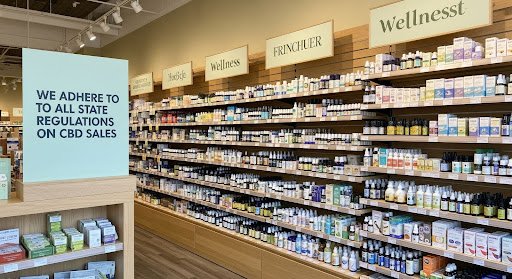
CBD is legal in Florida, but there are some restrictions. While hemp-derived CBD products are legal, the state has stringent regulations about where and how these products can be sold. For example, products must be third-party tested, and only licensed dispensaries can distribute certain types of CBD products. Still, overall, CBD is widely available across the state.
New York
New York has taken a progressive stance on hemp-derived CBD. Not only is it legal, but the state also has clear guidelines for the sale of CBD products, including stringent testing and labeling requirements. CBD can be purchased in various forms, such as oils, tinctures, and capsules, both for medicinal and wellness purposes.
Which States Have Restrictions or Require a Prescription?
While many states are embracing CBD, some are still treading carefully or have imposed restrictions. In these states, CBD might be allowed only for medical use, or you may need a prescription.
Texas
CBD oil with less than 0.3% THC is technically legal in Texas, but the state’s laws are notoriously complicated. While hemp-derived CBD is allowed, it’s often difficult to find products that meet the state’s regulatory standards. Medical marijuana, including CBD with higher THC content, is only allowed under very specific medical conditions, and even then, it requires a prescription from a licensed physician.
 Credit: Gemini
Georgia
Georgia legalized CBD in 2015 for medical use, but it’s limited to a small number of qualifying conditions such as severe epilepsy. Only CBD oil containing no more than 5% THC is legal, which means many CBD products available in other states don’t meet Georgia’s strict criteria. Recreational or general wellness CBD use is not legal in Georgia.
South Carolina
CBD is legal in South Carolina, but again, it’s primarily restricted to medical use. Medical CBD products can be used by patients with qualifying conditions under the state’s medical marijuana program. While hemp-derived CBD with less than 0.3% THC is available for general wellness, it’s still a gray area in some parts of the state.
Idaho
Idaho has one of the strictest CBD laws in the country. While CBD derived from hemp is legal, it can’t contain any trace of THC—meaning even products with 0.3% THC, which are federally legal, are still banned. This has created a bit of a challenge for CBD companies operating in Idaho, as many CBD oils and edibles contain trace amounts of THC.
Where Is CBD Completely Banned?
Some states have decided to outright ban CBD. This often applies to CBD products with higher levels of THC or products intended for medical use. In these states, even hemp-derived CBD might be restricted or prohibited.
Wyoming
Wyoming’s CBD laws are stricter than most, and while hemp-derived CBD is technically legal, state regulators have made it difficult for producers and sellers to navigate the legal landscape. As a result, access to CBD products can be limited.
Idaho (Again)
In addition to being strict about THC content, Idaho has taken things a step further by banning most forms of CBD. Only specific products derived from industrial hemp and that contain absolutely no trace of THC are legal in Idaho. Even then, you may have trouble finding them due to local enforcement issues.

How to Make Sure CBD Is Legal in Your State
If you’re considering trying CBD, here’s how you can stay compliant and ensure you’re using legal products:
Step 1: Research State-Specific Laws
Each state has its own unique laws when it comes to CBD, so it’s essential to know the specifics of where you live. Check your state’s official website or local dispensaries to get the most accurate and up-to-date information.
Step 2: Stick to Products With Less Than 0.3% THC
Under federal law, CBD products with less than 0.3% THC are generally safe to use. Look for products that list their THC content and check for third-party lab testing to ensure compliance with federal and state regulations.
Step 3: Always Buy from Reputable Sources
When purchasing CBD, choose reputable companies that provide Certificates of Analysis (COA) for their products. This ensures that you’re getting a safe, compliant, and effective product that adheres to legal guidelines.
FAQ: Everything You Need to Know About CBD Legality
Is CBD legal in all 50 states?
CBD’s legal status varies across the U.S. While hemp-derived CBD with less than 0.3% THC is legal federally, individual states have different rules and restrictions. Some states fully embrace CBD, while others have stricter laws or outright bans.
Can I use CBD oil for general wellness in all states?
In many states, CBD oil for general wellness is legal, but some states require a prescription or have restrictions on THC content. Always check your local laws to ensure you’re compliant.
Do I need a prescription for CBD in every state?
Not necessarily. In most states, hemp-derived CBD products with less than 0.3% THC are available without a prescription. However, some states have medical marijuana programs that require a prescription for higher-THC CBD products.
What should I do if CBD is banned in my state?
If CBD is banned in your state, you can explore medical marijuana programs or look into other states where CBD is legal. Keep in mind that CBD laws are rapidly evolving, so it’s worth checking for updates.
Keep Calm and Know Your CBD Laws
CBD might be sweeping the nation, but its legal status is a bit of a patchwork, depending on where you live. With a little research, you can enjoy the many benefits of CBD without stepping into murky legal waters.
Remember to stay informed, check for third-party testing, and always ensure you’re complying with state laws.