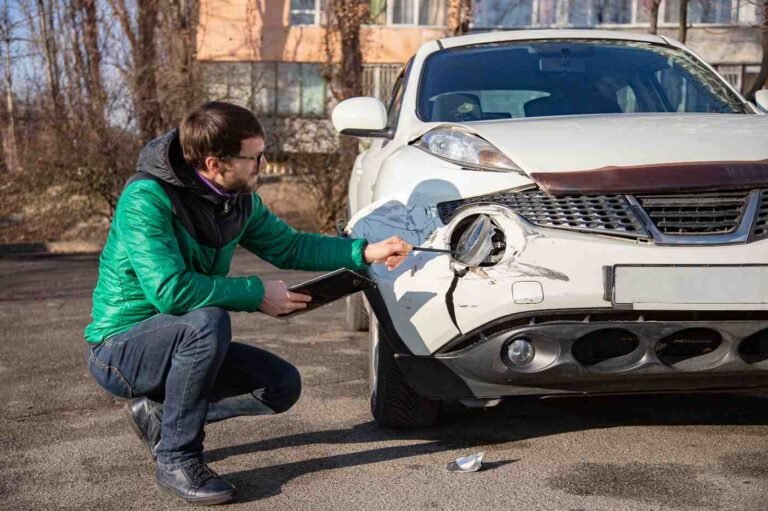





Getting behind the wheel of a vehicle is a significant responsibility that requires constant focus, awareness, and respect for the rules of the road. Motor vehicle accidents remain one of the leading causes of injury and death globally, with human error being the primary contributing factor.
Adopting responsible driving habits not only protects your life but also ensures the safety of passengers, pedestrians, and other motorists. By understanding and implementing these nine essential driving habits, you will significantly reduce your risk of accidents, avoid costly traffic violations, and contribute to a safer environment for everyone on the road.
1. Eliminate Digital and Physical Distractions

Distracted driving is a leading cause of collisions. Texting, adjusting the radio, or even eating takes your eyes off the road and your hands off the wheel. According to the National Highway Traffic Safety Administration (NHTSA), taking your eyes off the road for just five seconds at 55 mph is the equivalent of driving the length of an entire football field blindfolded. Make it a habit to put your phone on “Do Not Disturb” mode before starting the engine and set your GPS destination while still parked.
2. Strictly Obey Speed Limits
Speed limits are calculated based on road design, traffic flow, and surrounding environments to keep everyone safe. Speeding significantly increases both the likelihood of a crash and the severity of injuries if an accident occurs. It reduces your ability to steer safely around curves or objects in the roadway and extends the distance necessary to stop a vehicle. Always adhere to posted speed limits, and remember that these limits represent the maximum safe speed for ideal driving conditions.
3. Maintain a Safe Following Distance
Tailgating leaves you with zero reaction time if the car in front of you suddenly brakes. The general rule of thumb is the “three-second rule.” Choose a fixed object on the side of the road, and when the car ahead passes it, count to three. If you pass the object before you reach three, you are following too closely. In adverse weather conditions, such as rain or snow, this distance should be doubled to allow for increased stopping distances on slippery surfaces.
4. Never Drive Under the Influence
Driving under the influence of alcohol, illicit drugs, or even certain prescription medications severely impairs your cognitive functions, reaction times, and motor skills. Drunk driving claims thousands of lives every year and carries severe legal and financial consequences. Always plan ahead by designating a sober driver, using public transportation, or calling a rideshare service.
If you do make a severe misjudgment and face charges, seeking counsel from a dui defense attorney in Yakima Washington is necessary to navigate the legal system, but absolute prevention is the only responsible choice.
5. Wear Your Seatbelt Consistently

Seatbelts are the most effective safety device in your vehicle, designed to keep you inside the car and distribute the force of a crash across the strongest parts of your body. Statistics consistently show that wearing a seatbelt reduces the risk of fatal injury to front-seat passenger car occupants by 45%. Before putting the car in drive, ensure that you and all your passengers are securely buckled in.
6. Adapt to Weather and Road Conditions
Driving safely requires adjusting your behavior based on the environment. Rain, snow, fog, and ice dramatically alter how your vehicle handles. Tires lose traction, and visibility drops. When adverse weather strikes, reduce your speed, turn on your headlights, and increase your following distance. If conditions become too hazardous, safely pull over to the side of the road or into a parking lot and wait for the weather to improve.
7. Use Turn Signals for Every Move
Your turn signals are the only way to communicate your intentions to other drivers on the road. Failing to signal before turning or changing lanes causes confusion and can easily lead to sideswipes or rear-end collisions. Develop the muscle memory to use your indicator every single time you change lanes, merge, or turn, even if you believe no other cars are around. It is a simple flick of the wrist that prevents major accidents.
8. Commit to Regular Vehicle Maintenance

A well-maintained vehicle is a safe vehicle. Worn brake pads, bald tires, or burnt-out headlights can turn a routine drive into a dangerous situation. Schedule regular check-ups for your car, checking tire pressure, fluid levels, and brake functionality. Properly inflated tires alone can improve steering and reduce the risk of a blowout at high speeds.
It is also important to carry essential emergency tools, including the right tow rope, in case your vehicle breaks down and needs to be safely moved. Treat your car’s maintenance schedule as a non-negotiable part of vehicle ownership.
9. Practice Defensive Driving
Defensive driving means anticipating potential hazards and being prepared to react safely. It involves constantly scanning the road ahead, checking your mirrors, and never assuming that other drivers will do the right thing. If you notice an aggressive or erratic driver, give them plenty of space and avoid engaging. By staying alert and proactive, you can navigate around dangerous situations before they escalate into collisions.
Responsible driving is a continuous commitment to safety, awareness, and respect for the law. By integrating these nine habits into your daily routine, you actively contribute to making the roads safer, protecting yourself, and ensuring that you arrive at your destination without incident.