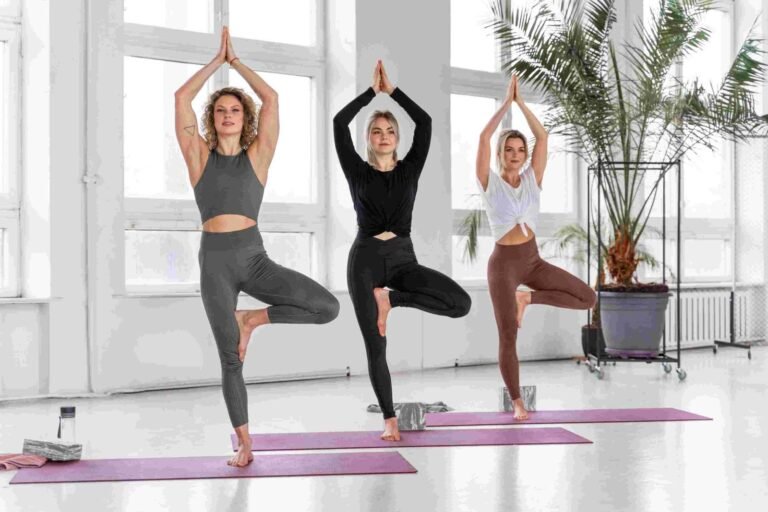





I remember the first time I stumbled upon somatic yoga. I was in a yoga class, deep into a standard flow when the instructor paused the sequence and asked us to “slow down and listen to our bodies.”
The way she phrased it was different—intentional, almost reverent. We weren’t just going through the motions; we were feeling each movement, noticing how our body responded.
That was my first experience with somatic yoga, a practice that extends beyond traditional physical postures to foster a deeper mind-body connection. Since then, it’s been a game-changer for me, especially when combined with the benefits of CBD.
So, if you’ve been wondering, “What is somatic yoga?” let me share the essence of this practice that’s quietly transforming the way we experience yoga—and life.
What Is Somatic Yoga?
Somatic yoga is all about being present with your body. It’s a practice where movement and breath are brought together, but instead of focusing solely on the physical postures, the emphasis is on how those postures feel.
The term “somatic” comes from the Greek word soma, which means the body as experienced from within. So, rather than just doing yoga poses mechanically, somatic yoga encourages you to pay close attention to the sensations in your muscles, joints, and nervous system. It’s yoga with awareness—slowing down and noticing how your body communicates with you.
Unlike traditional yoga, where we often push ourselves to achieve certain postures or “perfect” form, somatic yoga invites you to focus on subtle movements and internal cues. It’s not about reaching for a goal or achieving a physical shape. Instead, it’s about nurturing your body, respecting its limits, and responding with compassion and mindfulness.
Why Should You Try Somatic Yoga?
You might be thinking, “That sounds nice, but how is it different from regular yoga?” Great question! Here’s the thing: somatic yoga is deeply restorative. While it still uses traditional yoga postures, it also encourages more gentle, flowing movements that target the muscles and fascia—the connective tissues that surround muscles and joints. This approach helps release chronic tension, improve flexibility, and restore balance in the body.
 Credit: Gemini
1. Releases Chronic Tension
Over time, emotional and physical stress can cause tightness in the body. Somatic yoga focuses on these patterns of tension, helping to release them by moving slowly and mindfully. This is particularly helpful for people dealing with long-term discomfort, stress, or postural issues.
2. Improves Body Awareness
Somatic yoga brings you into deeper connection with your body’s sensations. By listening to the body and moving with intention, it increases your proprioception (the awareness of your body in space). This heightened awareness can improve overall posture, mobility, and balance.
3. Balances the Nervous System
A big part of somatic yoga is calming the nervous system. By moving gently and mindfully, it helps reduce the fight-or-flight response, activating the parasympathetic nervous system. This is perfect for stress relief and for promoting feelings of relaxation and safety.
How Does Somatic Yoga Work?

The beauty of somatic yoga is that it works with your body’s natural rhythms and abilities. Instead of forcing yourself into rigid poses, you allow the movement to flow from within. It’s a process of discovery—tuning into your body’s needs, being open to sensations, and moving with them.
1. Slow, Fluid Movements
In somatic yoga, movements are deliberate and slow, allowing the body to respond naturally. Rather than rushing through a series of postures, the focus is on each micro-movement and how it feels. For example, a basic spinal twist might begin with a gentle rocking motion, then gradually move into a deeper twist, paying attention to how the muscles and fascia release with each breath.
2. Breath as the Guide
In this practice, your breath is your best ally. Breathing deeply and consciously helps guide your movements and allows you to access the deeper layers of your body’s tension. As you breathe, you engage in a subtle dance between movement and stillness, deepening your awareness of both.
3. Sensory Awareness
Somatic yoga emphasizes tuning into the sensations of the body. It’s not just about how a stretch looks, but how it feels. Are there areas of tightness, warmth, or tingling? What happens when you focus on those sensations? By allowing yourself to fully feel your body, you create a deeper sense of relaxation and healing.
How to Make the Most of Somatic Yoga
If you’re ready to start practicing somatic yoga, here’s how you can get the most out of the experience:
1. Start with a Calm Mind
Before beginning your practice, take a few moments to settle your mind. Sit comfortably, close your eyes, and take a few deep breaths. This will help you transition into a mindful state, allowing you to fully connect with your body.
2. Move Slowly and Listen
As you start your practice, don’t rush into poses. Instead, focus on how each movement feels. If something doesn’t feel right, slow down or adjust. If you notice tension, use your breath to soften that area. Somatic yoga is all about responding to your body’s needs in real-time.
3. Use CBD for Enhanced Relaxation
Combining CBD with somatic yoga can deepen your experience. CBD is known for its relaxing and anti-inflammatory properties, making it the perfect companion for a practice designed to release tension. Try taking a few drops of CBD oil before your practice to help your muscles relax and enhance mental clarity during your session.

4. Practice Regularly
Like any form of yoga or mindfulness, consistency is key. Aim to practice somatic yoga regularly, even if it’s just for 10-15 minutes a day. Over time, you’ll notice a deeper connection with your body, less stress, and greater flexibility.
Frequently Asked Questions
Can anyone do somatic yoga?
Yes! Somatic yoga is suitable for all levels of ability, including beginners and those with chronic pain or limited mobility. It’s all about moving at your own pace and listening to your body, so everyone can benefit from the practice.
How is somatic yoga different from restorative yoga?
Both practices focus on relaxation and healing, but somatic yoga emphasizes slow, deliberate movements with a focus on body awareness. Restorative yoga, on the other hand, typically involves holding poses for longer periods to relax and release tension, often with the help of props.
How often should I practice somatic yoga?
For optimal benefits, aim to practice somatic yoga 3-4 times a week. It’s a great way to incorporate mindfulness into your routine and release tension. You can also practice it daily if you’re looking for deeper relaxation and connection.
Can somatic yoga help with anxiety or stress?
Yes, absolutely! The mindfulness aspect of somatic yoga, combined with slow, conscious movements and deep breathing, is excellent for reducing anxiety and stress. It activates the parasympathetic nervous system, helping you feel more grounded and relaxed.

Feel the Flow: The Benefits of Somatic Yoga for a Balanced Life
Somatic yoga is not just a workout; it’s a journey into understanding and healing your body from the inside out. Whether you’re seeking greater flexibility, mental clarity, or simply a way to feel more at ease, somatic yoga offers a holistic approach to wellness.
Pro Tip: When you integrate somatic yoga with practices like breathwork or CBD, you create a synergy that enhances both your mental and physical health. Take your time with each movement, and let your body teach you how to release, relax, and renew. You’ve got this!